


@poltronova on Instagram
Its image is everywhere. Its meaning is not.
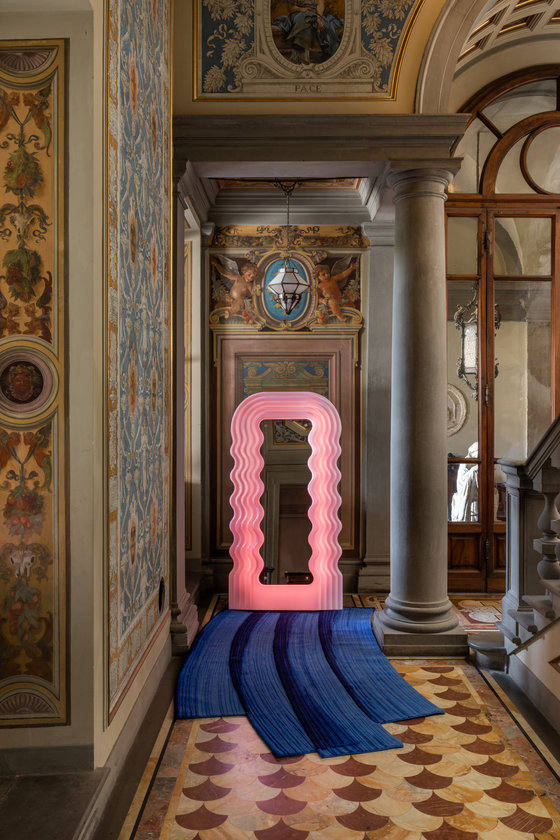
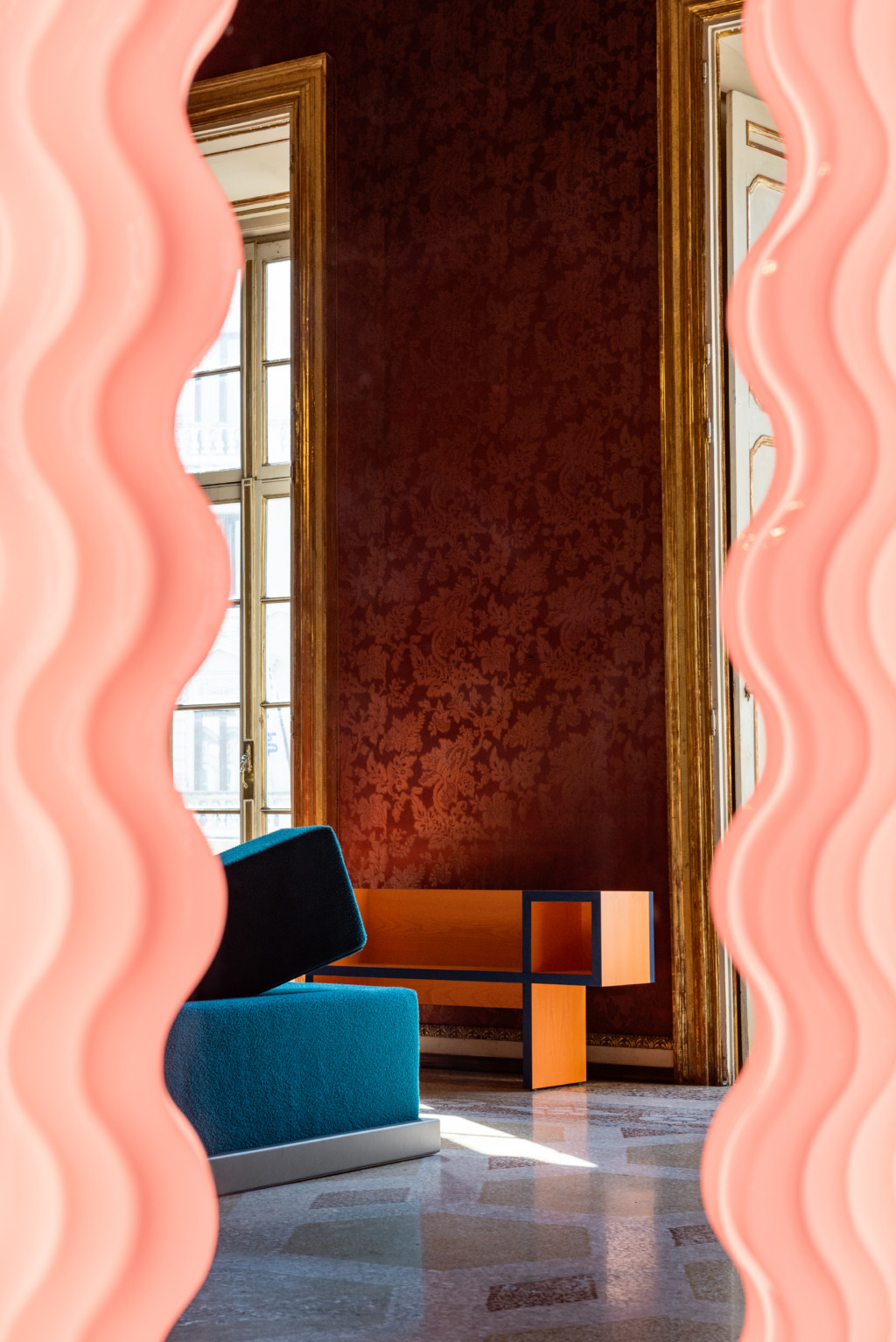
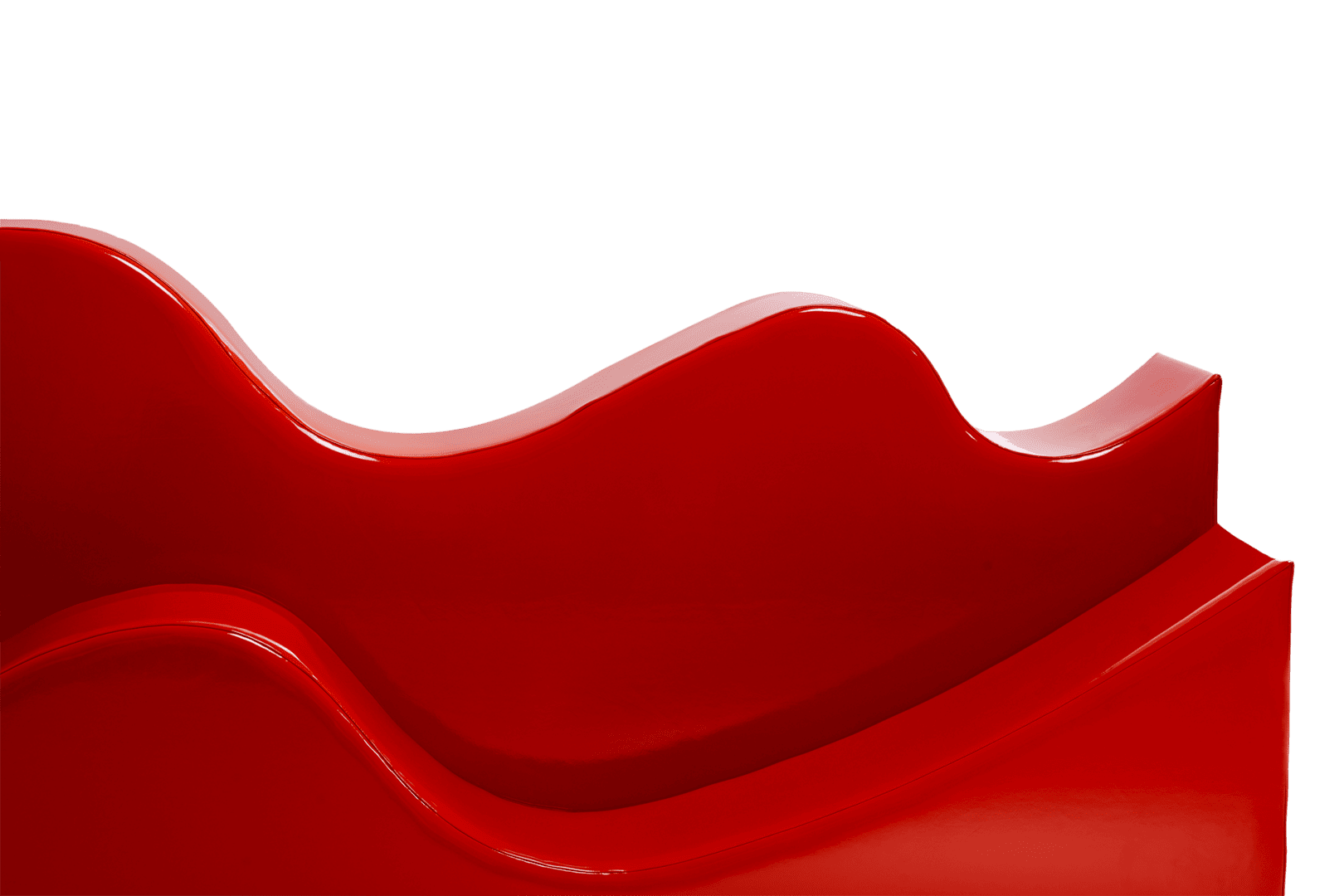
Designed by Ettore Sottsass jr. for Poltronova in 1970, Ultrafragola is far more than an iconic pink mirror. Its unmistakable silhouette has entered fashion, photography and popular culture, but its origins tell a much more radical story.
Ultrafragola belongs to Mobili Grigi (“Grey Furniture”), an experimental collection of bedroom and living room furniture presented at Eurodomus 3 in Milan in 1970, under the Design Centre label.
Conceived in fiberglass, the Mobili Grigi explored the relationship between sculptural forms, artificial light and domestic space. Their luminous bodies emerged from darkness like apparitions, challenging the idea that furniture should simply serve a function.
With its undulating frame reminiscent of long, wavy feminine hair, Ultrafragola transformed the mirror into a sensual, symbolic presence. It was the only piece from Mobili Grigi to enter serial production; the others remained prototypes.
More than fifty years later, its image is endlessly reproduced and imitated. But recognizing a silhouette is not the same as understanding the vision behind it.
The image may be endlessly reproduced. The original vision cannot.
The original Ultrafragola continues to be produced exclusively by Poltronova, using the original mould, 100% made in Italy.
Credits
Archive: @centrostudipoltronova
Imagery: @fabio_bortot_dop · © Alberto Fioravanti · @gianlucagaru
Cover: @backtoapollo for @whiteshowofficial
#Poltronova #Ultrafragola #EttoreSottsass #ItalianDesign #DesignHistory
Ultrafragola mirror, original Ultrafragola, Mobili Grigi, Ettore Sottsass, pink wavy mirror, Italian design history.

▢ Four lacquered planes, one soft heart.
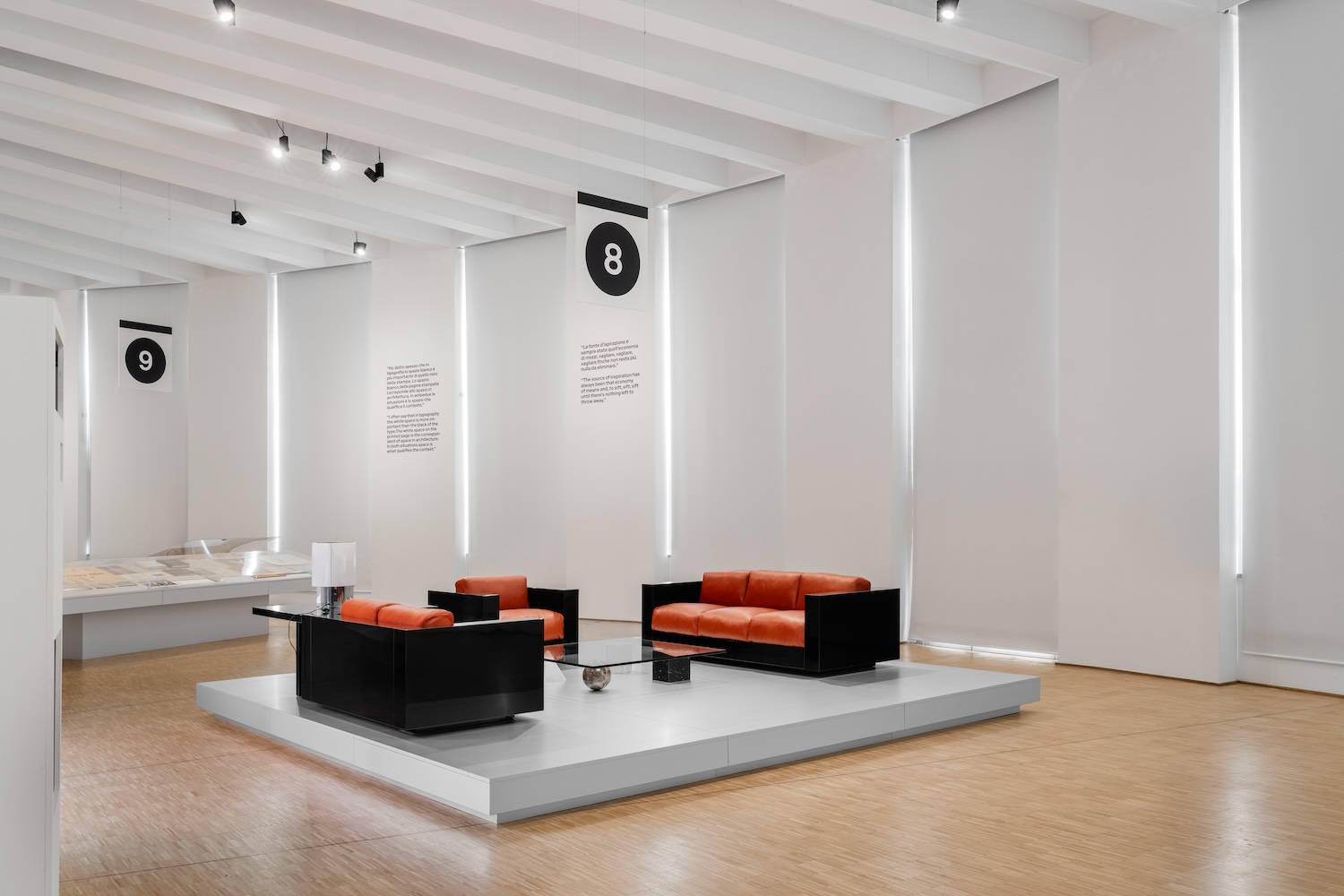
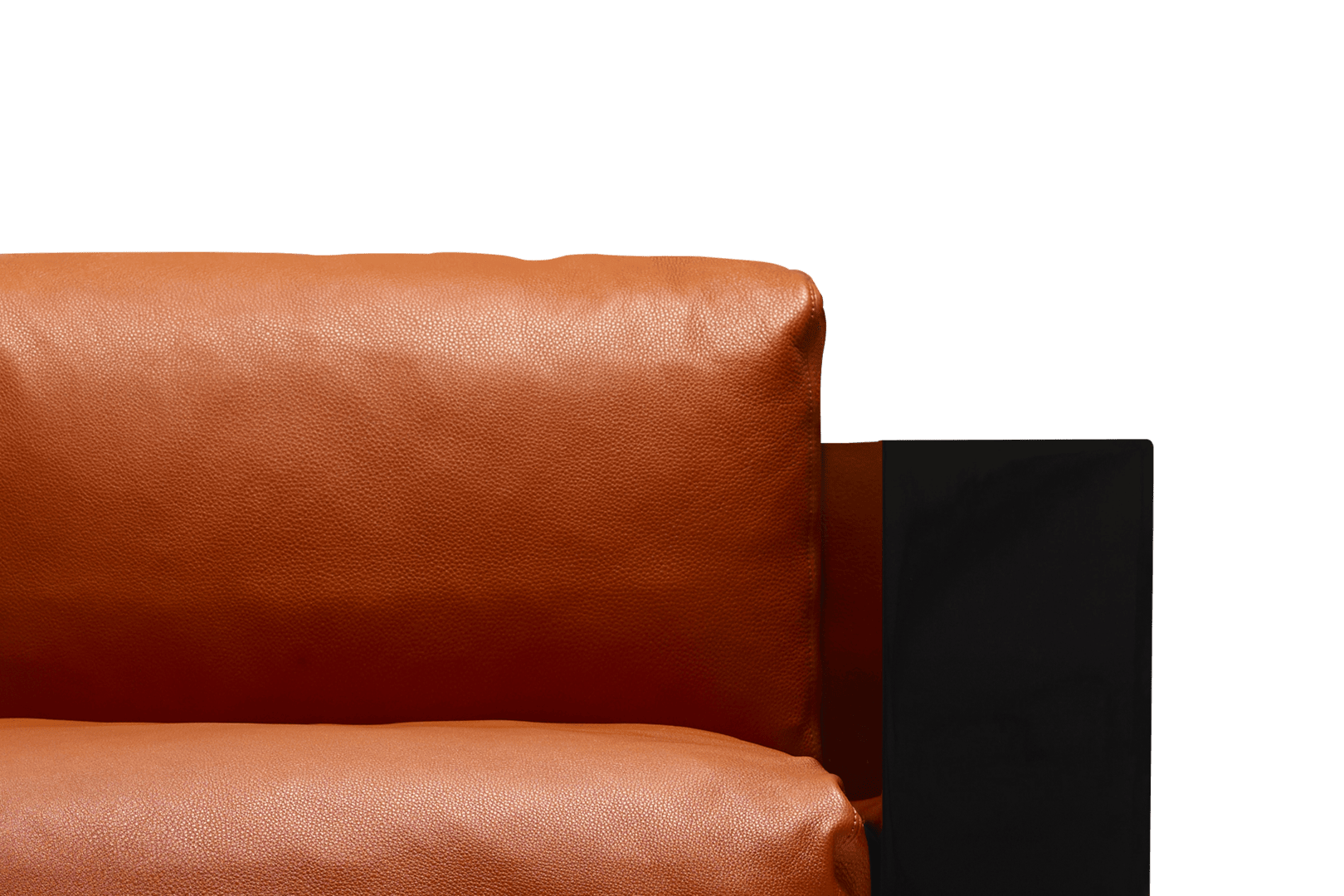
Glossy as a piano, upholstered like a fine car, Saratoga is pure structure: a rigid frame of four parts of equal thickness, with rounded edges and leather cushions rising just above its edge. Designed by Lella and Massimo Vignelli, the masters of modernist clarity, it belongs to no season and no trend. Here it is in total white: brilliant white polyester lacquer and butter-coloured leather, lit only by daylight, the bold silhouette that defines Poltronova distilled into quiet elegance. The same object can turn deep, bright or dark. Its geometry stays exactly the same, and only the lacquer and the leather change with the room it lives in. Armchair, two, three or four seats, always the same rigorous line.
Photographed in the Organic room of Elle Decor Material Home, Palazzo Bovara, during Milano Design Week 2024, with exhibition design by Elisa Ossino Studio.
◉ Saratoga, armchair by Lella and Massimo Vignelli for Poltronova, 1964.
📸 Photo credit Serena Eller Vainicher @serenaeller : @ellerstudio
🏛 Elle Decor Material Home by @elledecoritalia, exhibition design @elisaossinostudio
Lighting design Rossi Biachi Lighting Design @rossi_bianchi_lightingdesign
Exhibition design coordination netsuke studio @netsuke_studio
▫▫▫▫▫▫▫▫▫▫▫▫▫▫▫▫▫▫
Italian design · Vignelli · Lella Vignelli · Massimo Vignelli · Saratoga armchair · Saratoga sofa · Poltronova · lacquered armchair · white armchair · leather armchair · timeless design · modernist furniture · sixties design · iconic furniture · design history · Milano Design Week
#Poltronova #Vignelli #SaratogaArmchair #ItalianDesign #TimelessDesign
✤ “An imperial piece in your squalid home.”
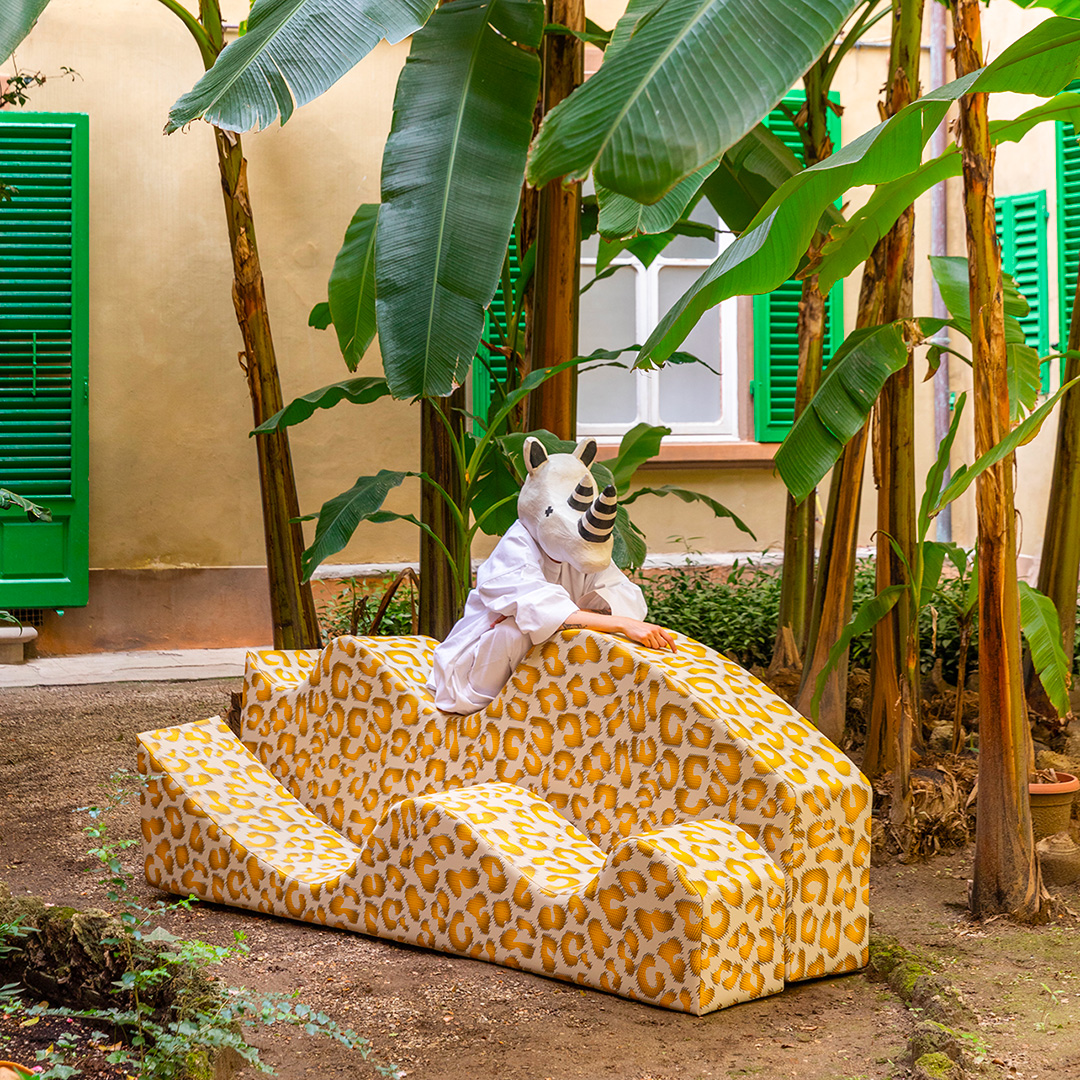
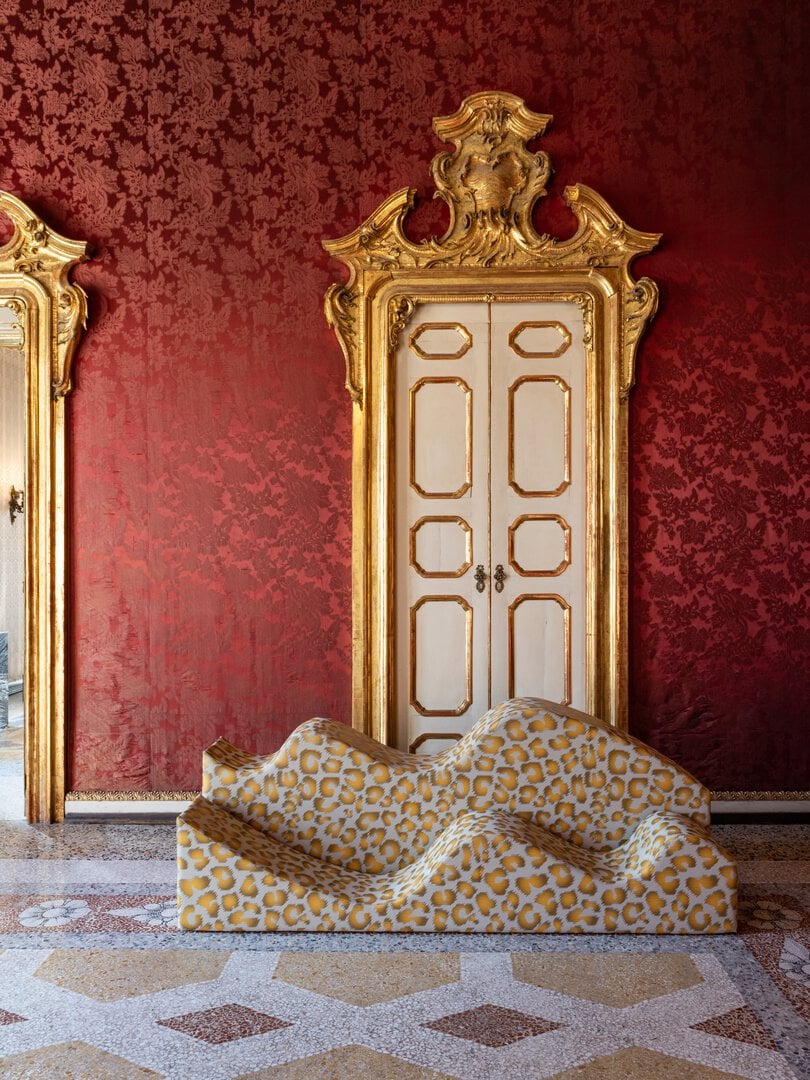
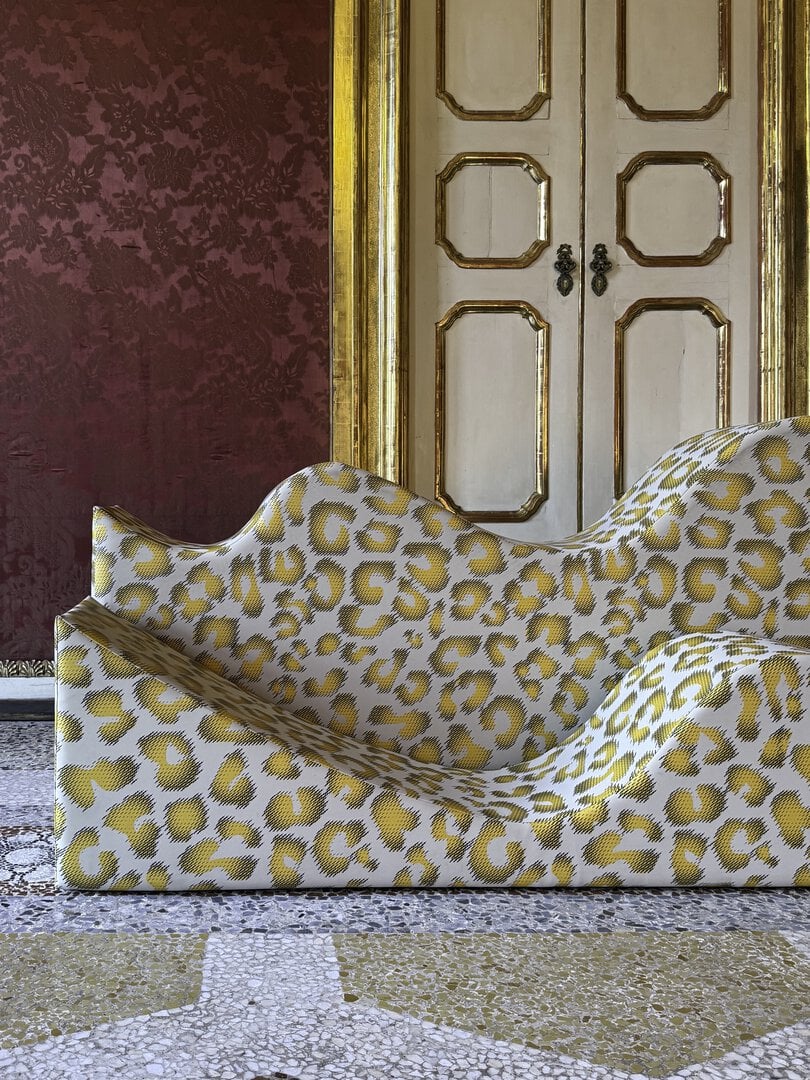
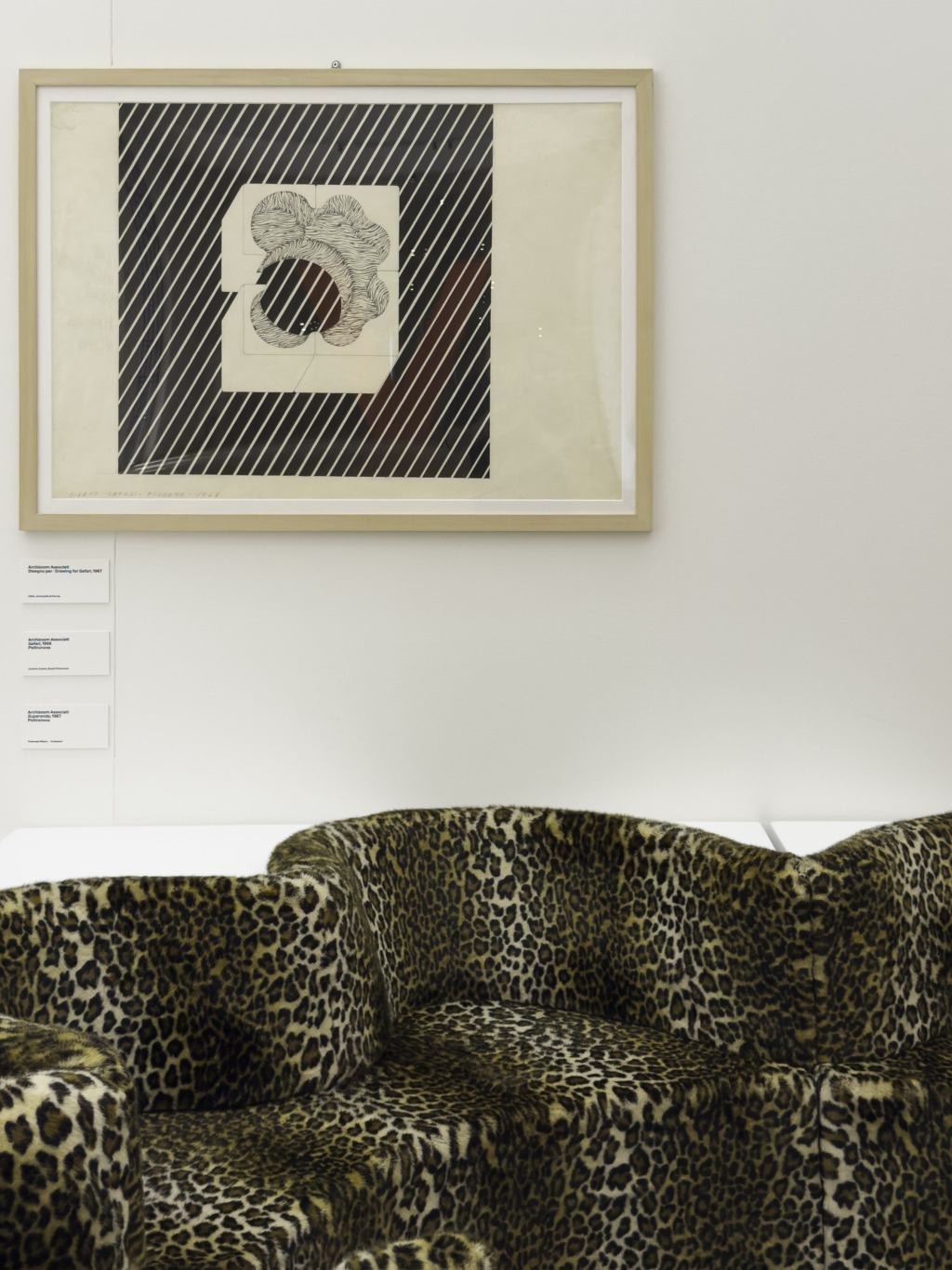
That was how Archizoom Associati presented Safari: a sunken island of leopard print set into a gleaming white shell, part sofa, part landscape, part provocation.
Designed by Archizoom Associati, the Florentine collective at the heart of Italian Radical Design, Safari is a modular seating system built from four modules that combine into two armchairs, two sofas, or one continuous imperial lounge. Its petal-shaped seats sink into a rectangular lacquered base, upholstered in leopard-print fabric, a deliberately exotic, theatrical, almost kitsch gesture that mocked the good taste of bourgeois interiors. Not furniture to arrange a room around, but a room inside the room: a place to sprawl, gather, perform. A manifesto of Radical Design, a pop icon of sixties Italian furniture, and still one of the most daring sofas ever produced.
◉ Safari, imperial sofa by Archizoom Associati for Poltronova, 1967.
📸 Shots by @kaylaraquel.studio
💡 Shooting production @emmabyvanck.dvd
✍️ Edit + video edit @gianlucagarupaionni
🎞 Images in the videos by @serenaeller : @ellerstudio
⁘⁙⁘⁙⁘⁙⁘⁙⁘⁙⁘⁙⁘⁙⁘⁙⁘⁙⁘⁙⁘⁙⁘⁙⁘⁙⁘⁙⁘⁙⁘⁙⁘⁙⁘⁘⁙⁘⁙⁘⁙⁘⁙⁘
Italian design · Radical Design · Archizoom Associati · Poltronova · Safari sofa · modular sofa · leopard sofa · sectional sofa · sixties design · pop design · iconic furniture · Italian furniture · design history · Florence · Tuscany
#Poltronova #ArchizoomAssociati #SafariSofa #RadicalDesign #ItalianDesign
꩜ Gherpe moves.
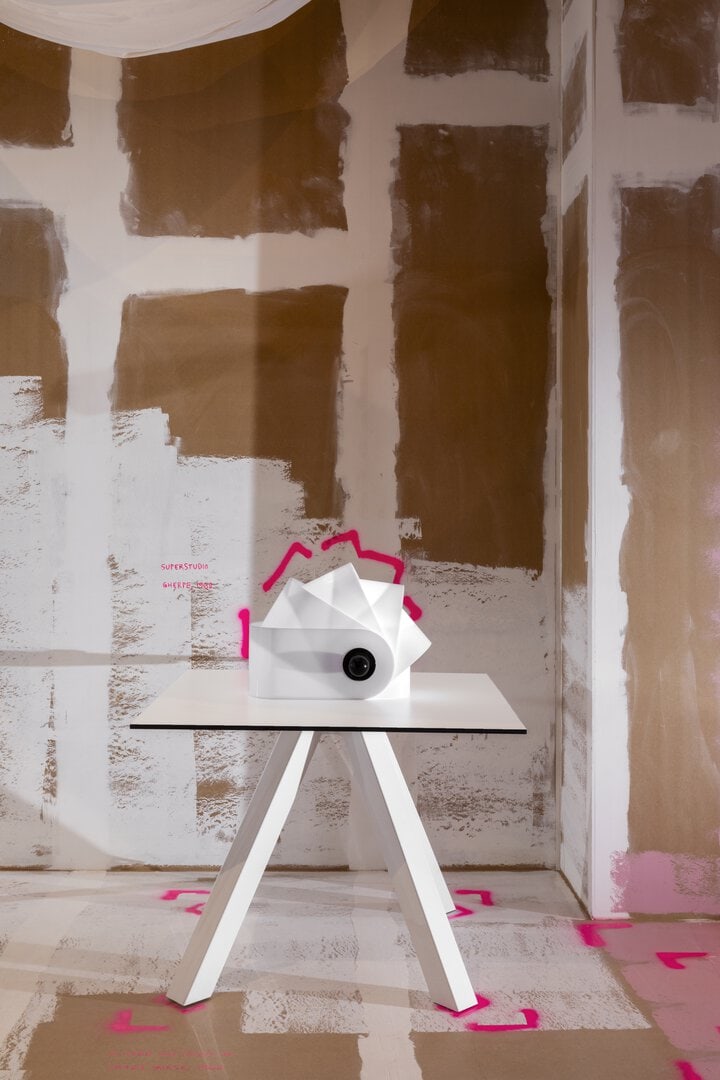
Its curved bands of red methacrylate pivot on two black knobs, fanning open and folding shut like a shell, a sea creature, the wings of an insect. Every gesture gives it a new shape — and a new light.
Designed by Superstudio, the Florentine collective at the heart of Italian Radical Design, Gherpe is a table lamp built to be touched. Open the bands and the light spreads across the room. Close them and it glows through the coloured acrylic like a lantern. Stand it on a table, turn it on its side, lean it against a wall: the lamp has no fixed position, only the one you give it. Made of overlapping arcs of transparent methacrylate, in red or white, it turned an everyday object into an interactive sculpture, years before “interactive design” had a name. A piece of Radical Design history, a sixties icon of Italian lighting design, and still one of the most playful lamps ever made.
◉ Gherpe, table lamp by Superstudio for Poltronova, 1968.
📹 video shot by @pietrosavorelli_associati
🎨 video edit + img shots by @gianlucagarupaionni
◠◡◠◡◠◡◠◡◠◡◠◡◠◡◠◡◠◡◠◡◠◡◠◡◠◡◠◡◠◡◠◡◠◡◠◡◠◡◠◡◠◡
Italian design · Radical Design · Superstudio · Poltronova · Gherpe lamp · table lamp · design lamp · methacrylate lamp · acrylic lamp · sixties design · iconic lighting · Italian lighting · design history · Florence · Tuscany
#Poltronova #Superstudio #GherpeLamp #RadicalDesign #ItalianDesign
★ WHAT HAPPENS WHEN THE OBJECT BREAKS OUT?
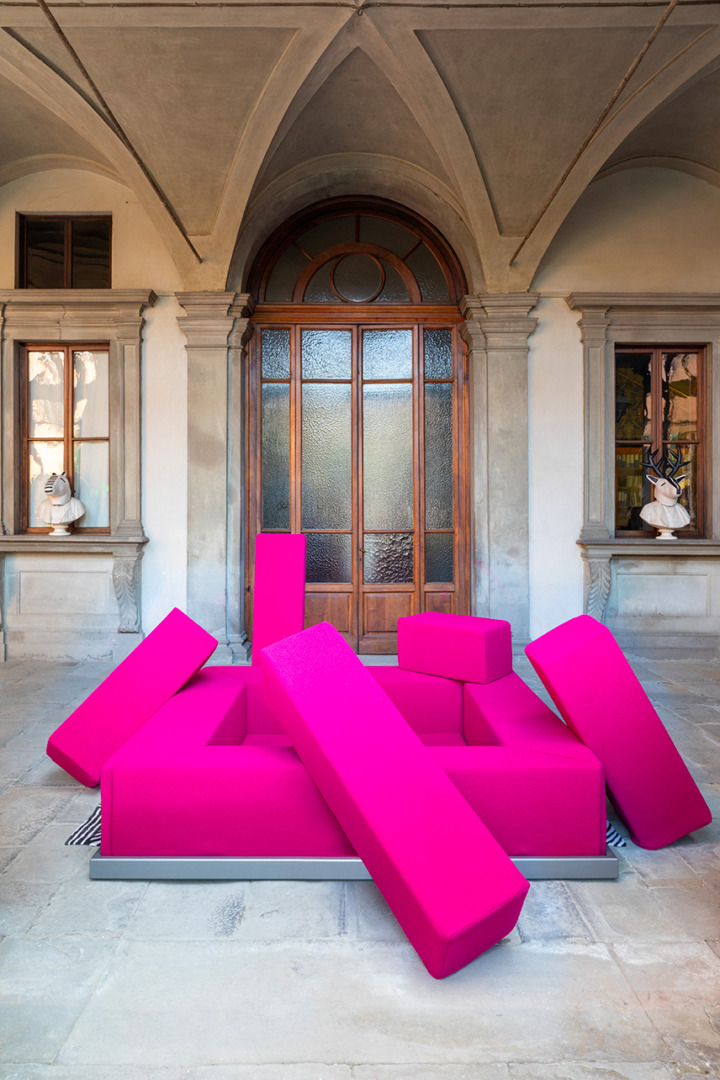
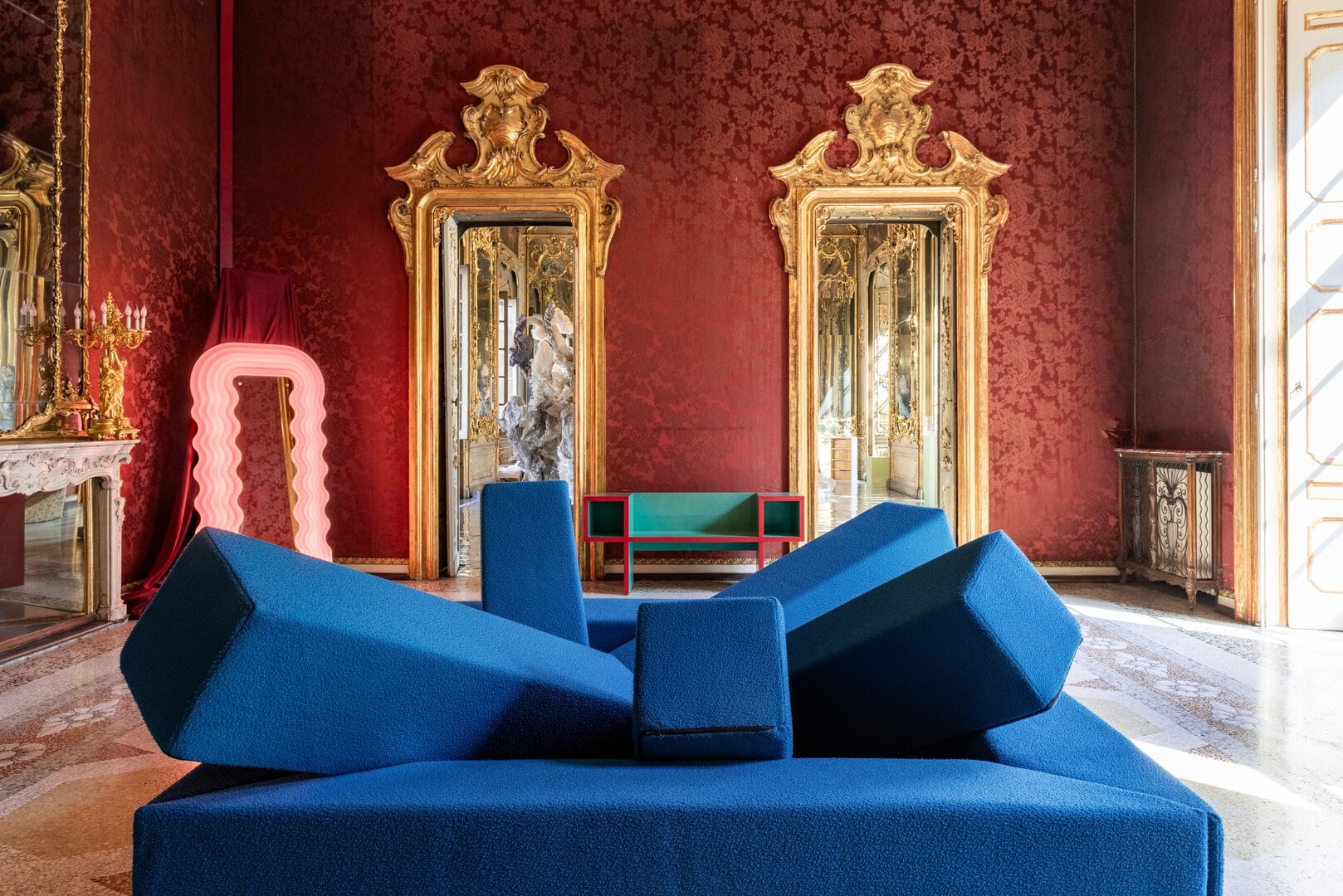
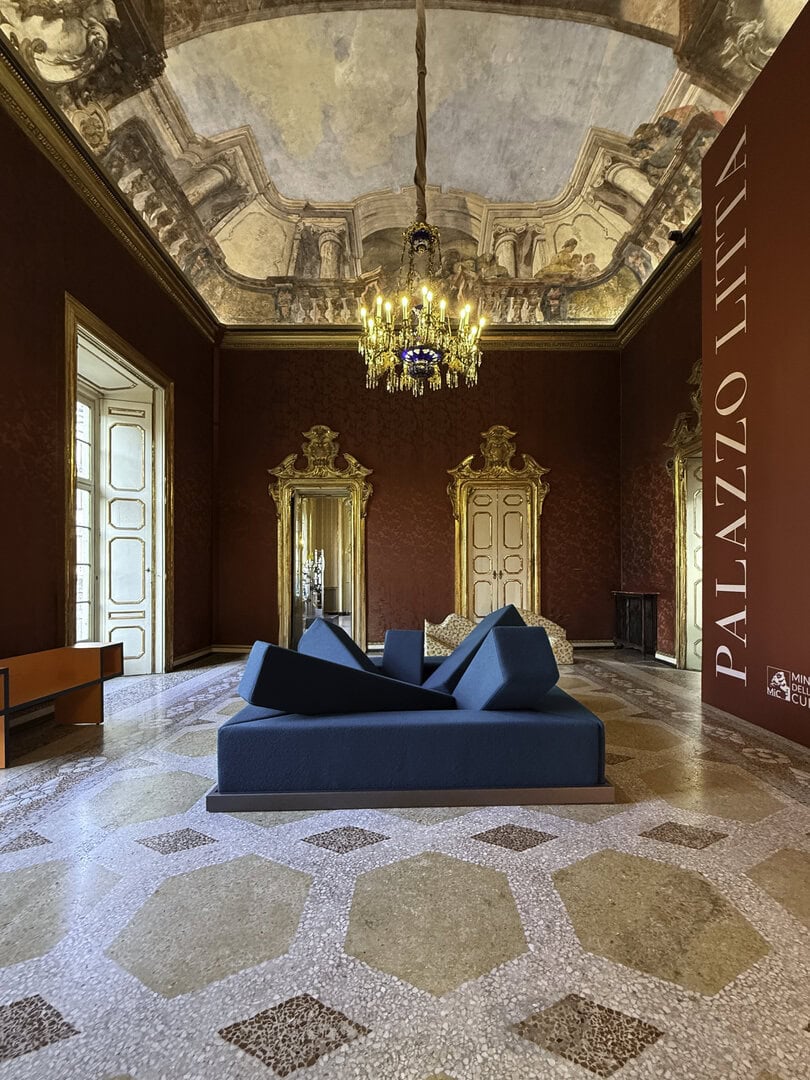
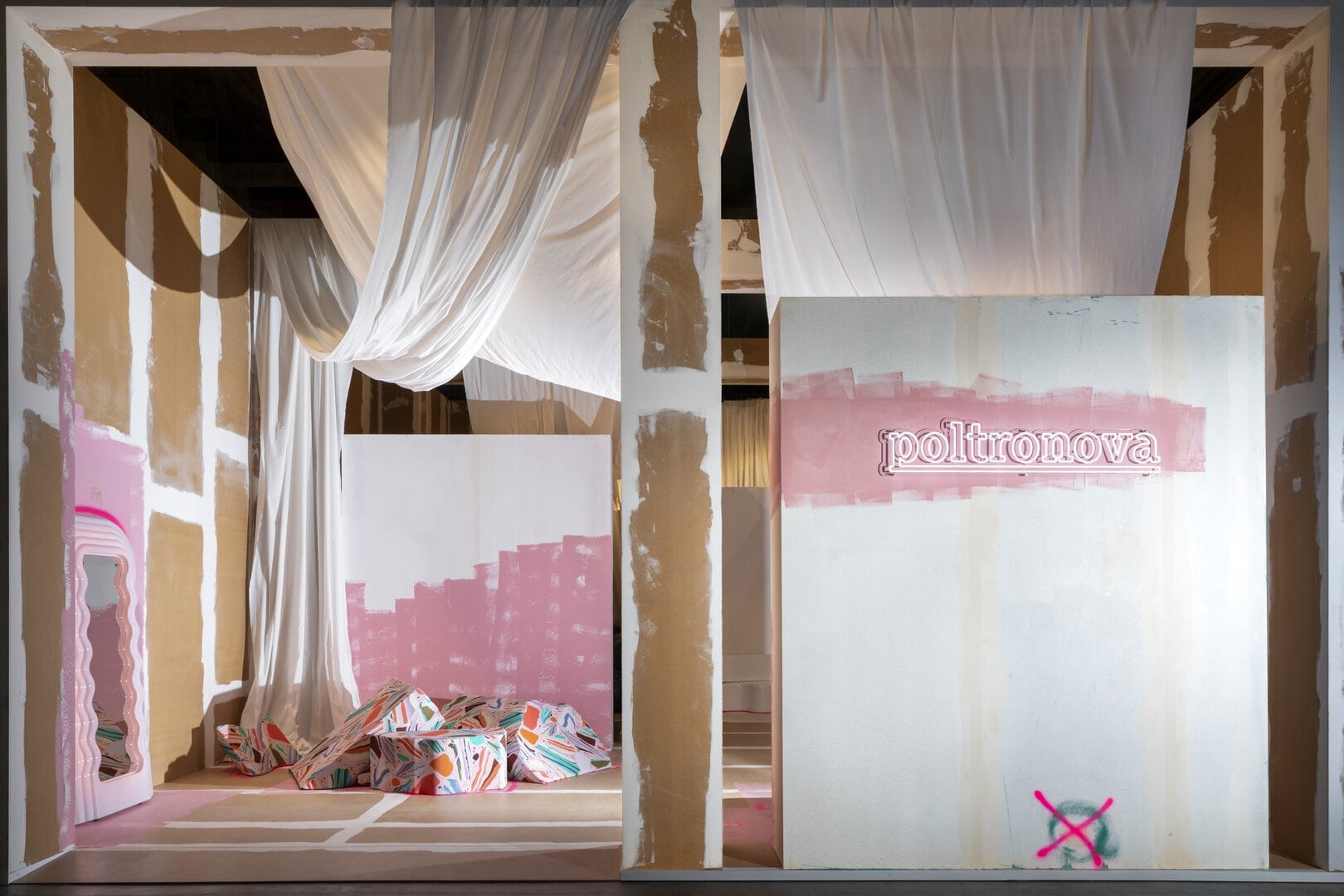
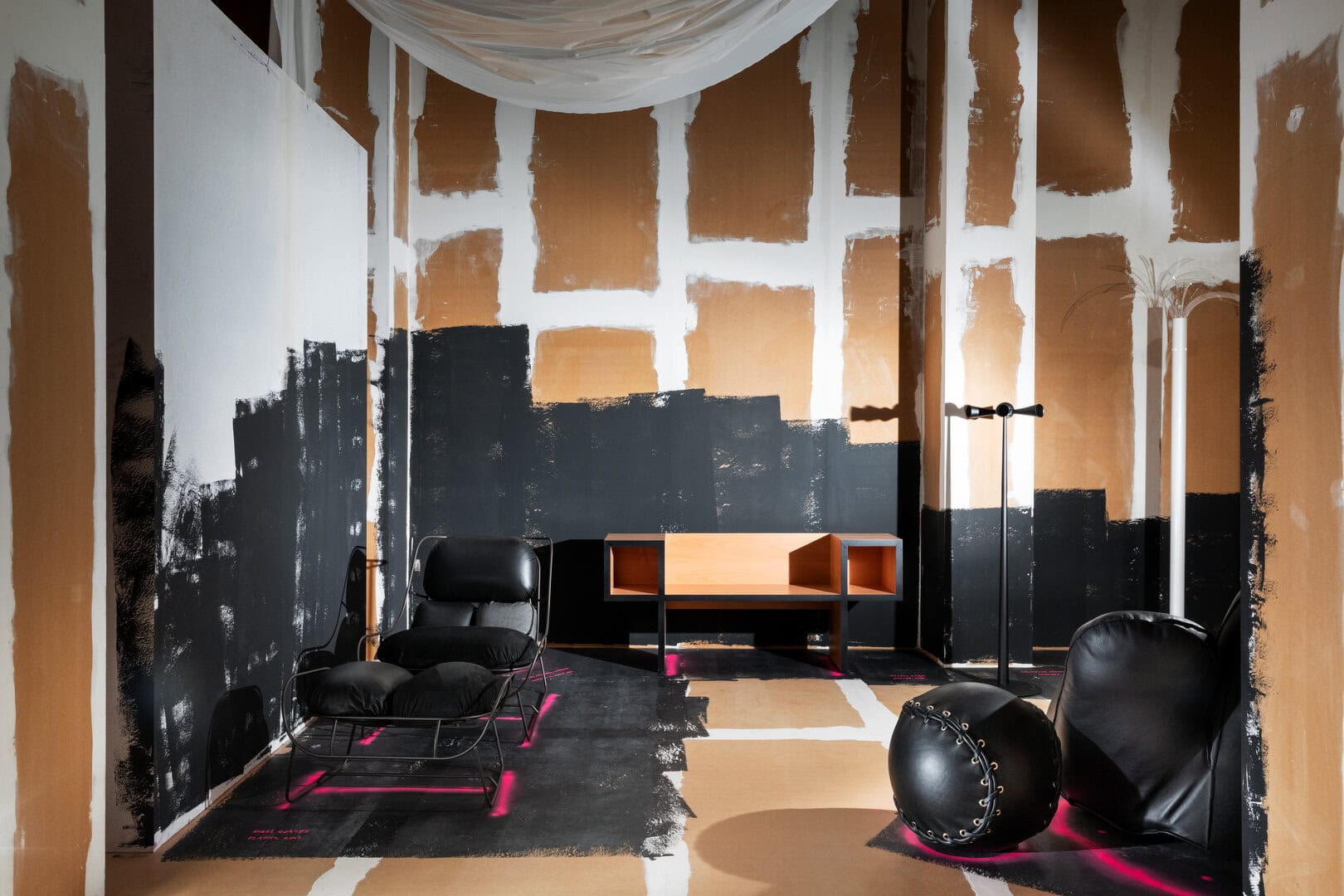
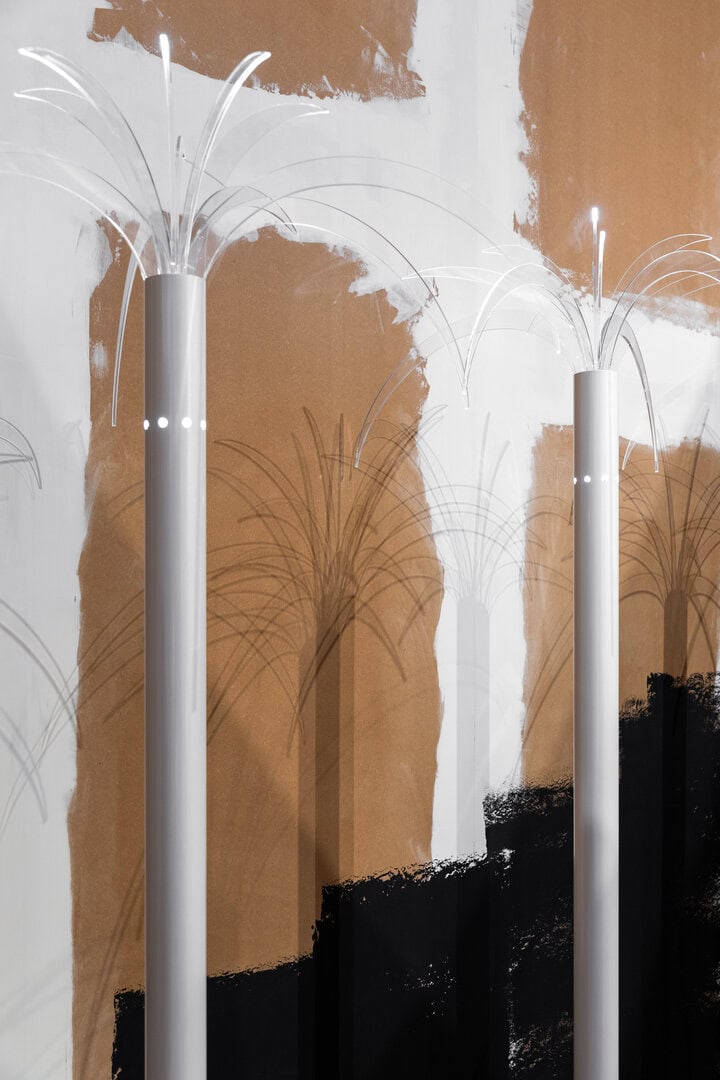
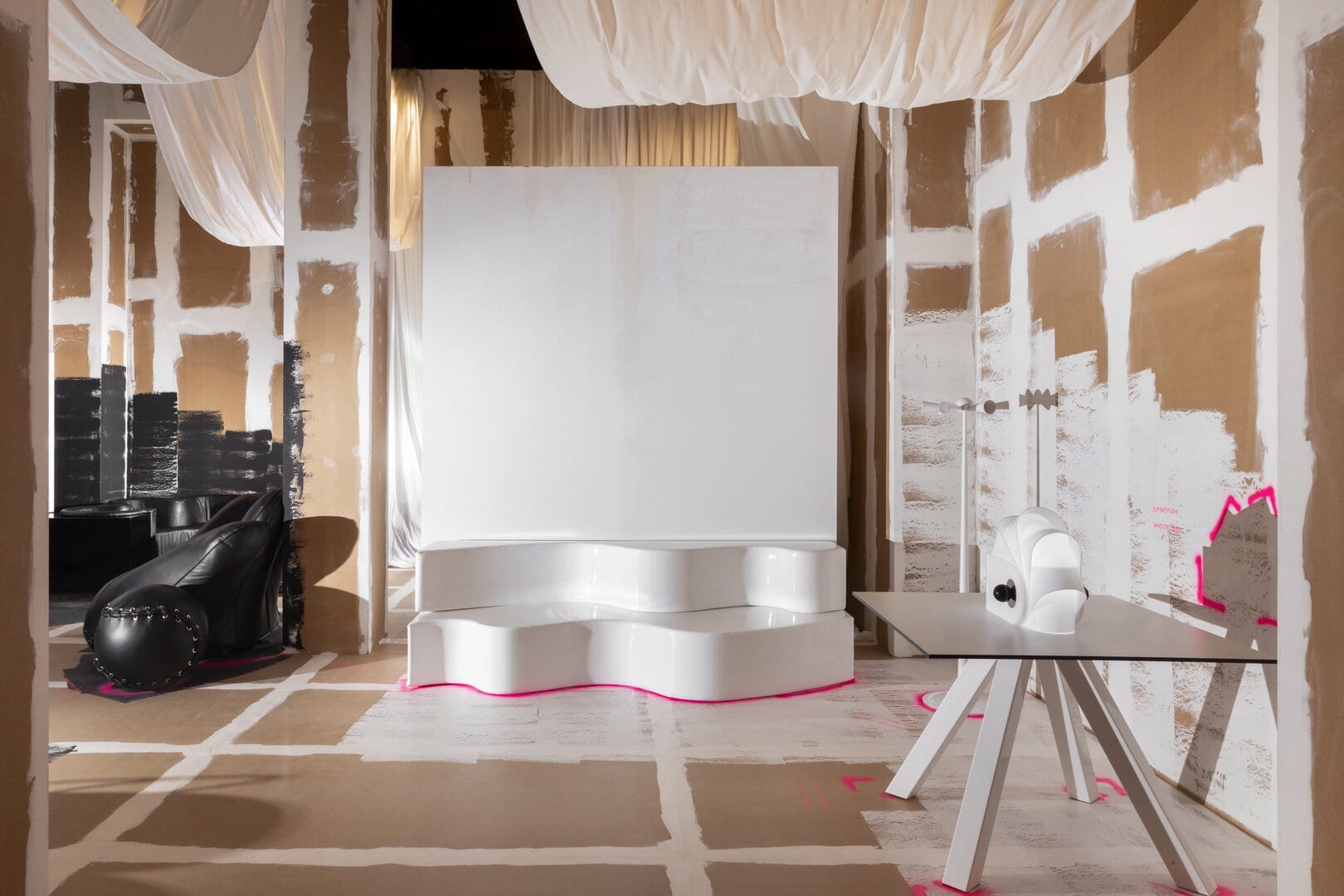
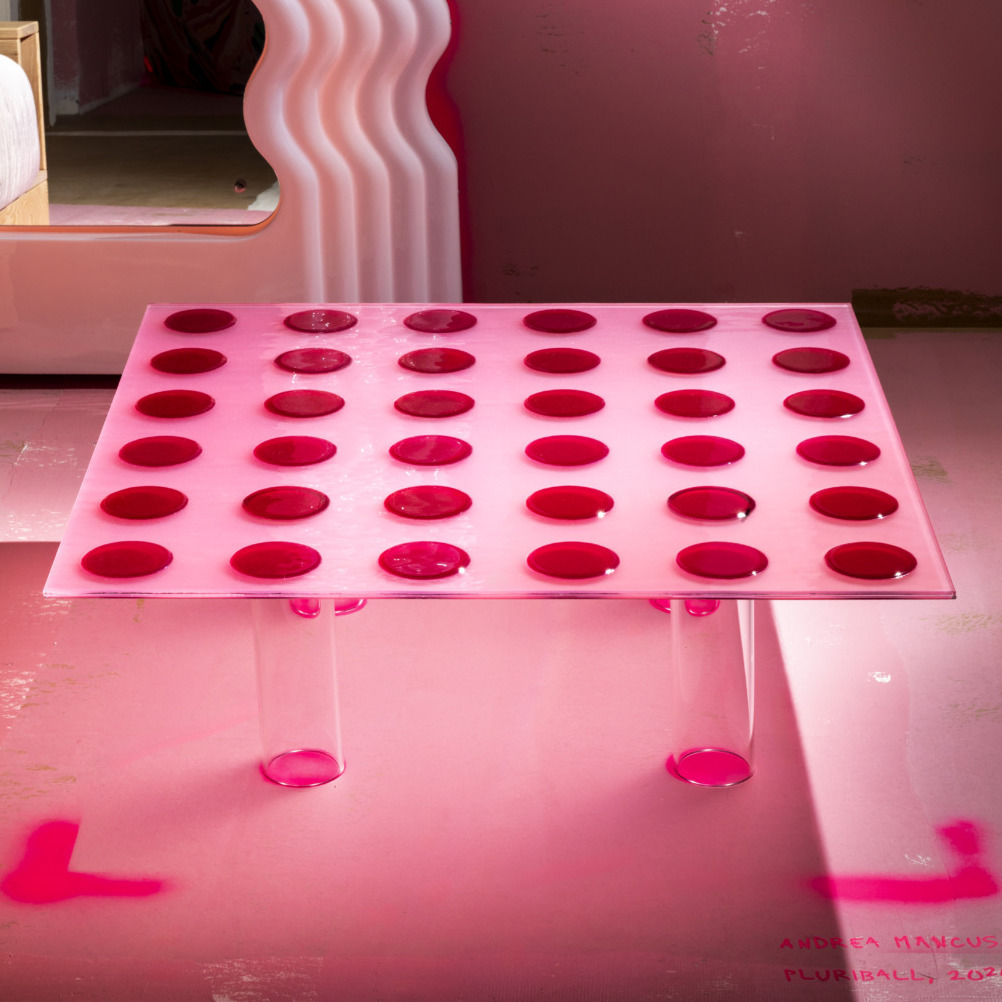
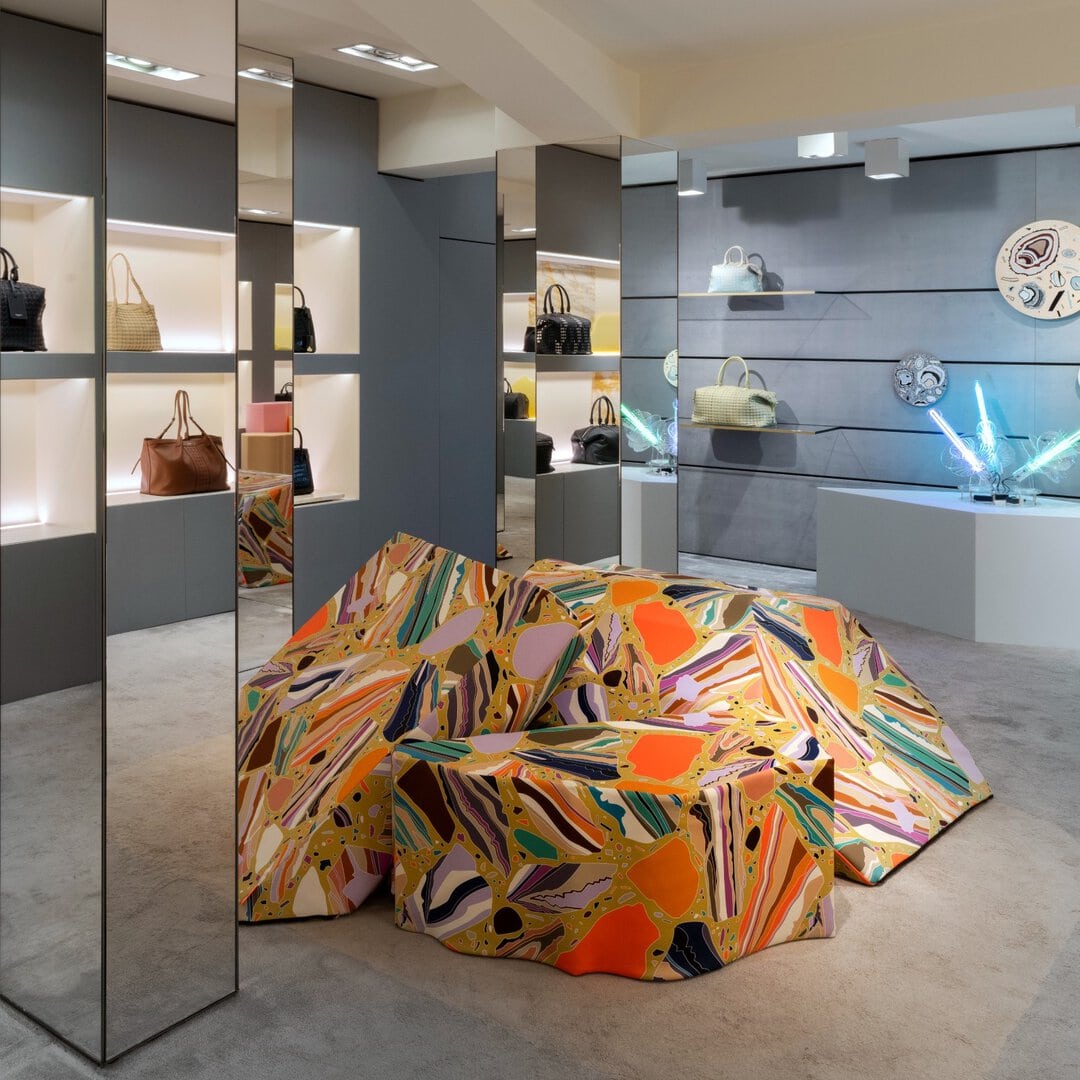
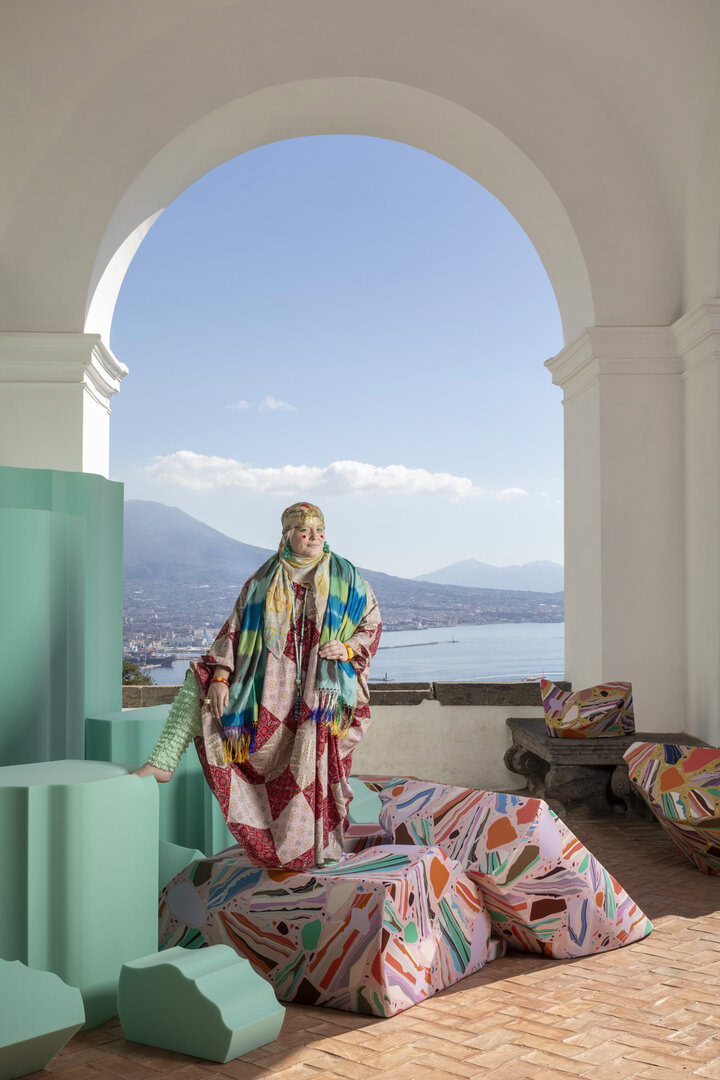
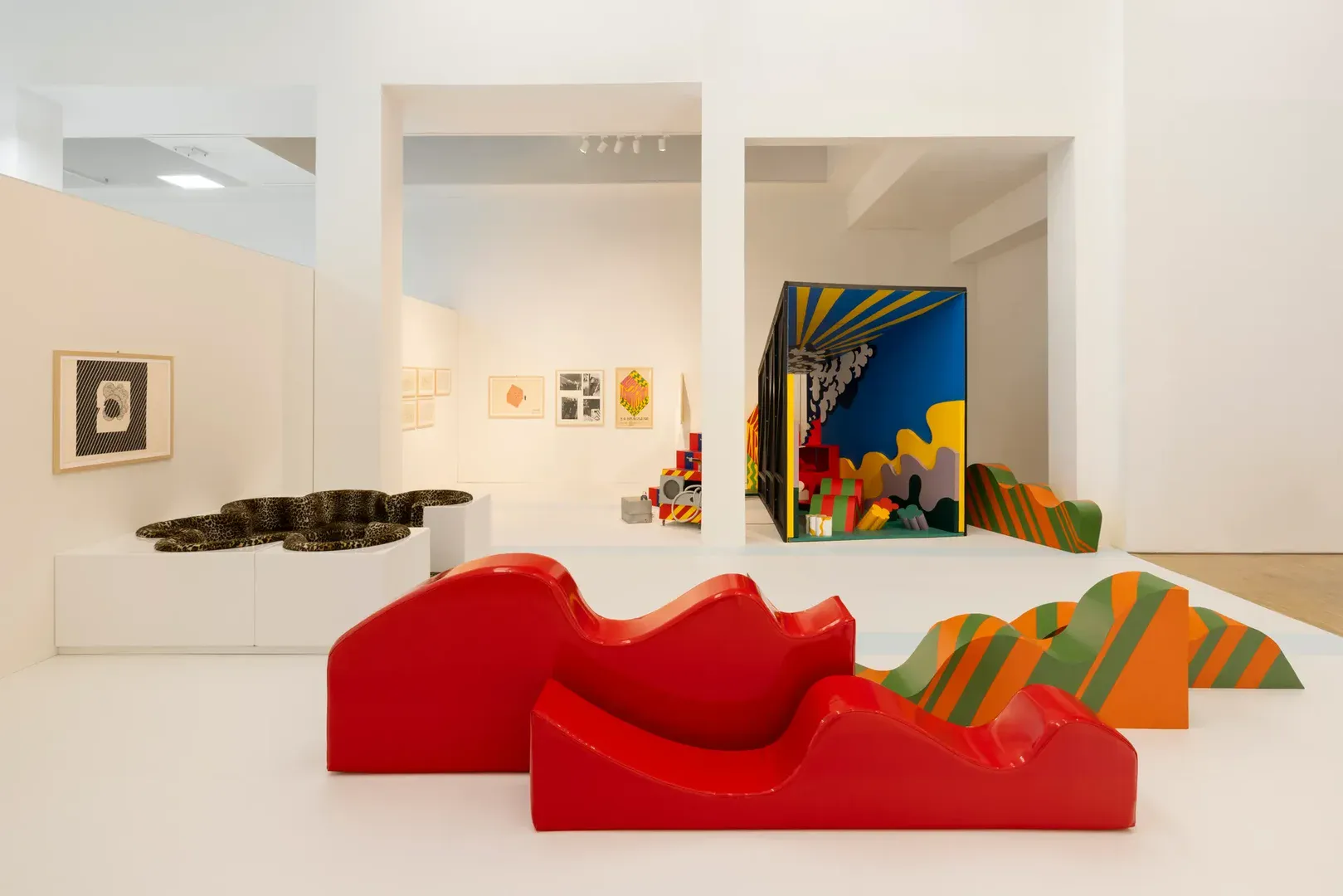
In 2024, HYPER POLTRONOVA marked Poltronova’s return to @isaloniofficial after thirty years — not simply by bringing more than twenty pieces from the Poltronova collection to Rho Fiera Milano, but by allowing their visual language to take over the space itself.
Designed by Art Director Donatello D’Angelo, the installation looked back to L’invenzione della superficie neutra, the 1972 exhibition involving several protagonists of the experimental Italian design scene, and transformed that reference into something deliberately excessive, immersive and hyper-contemporary.
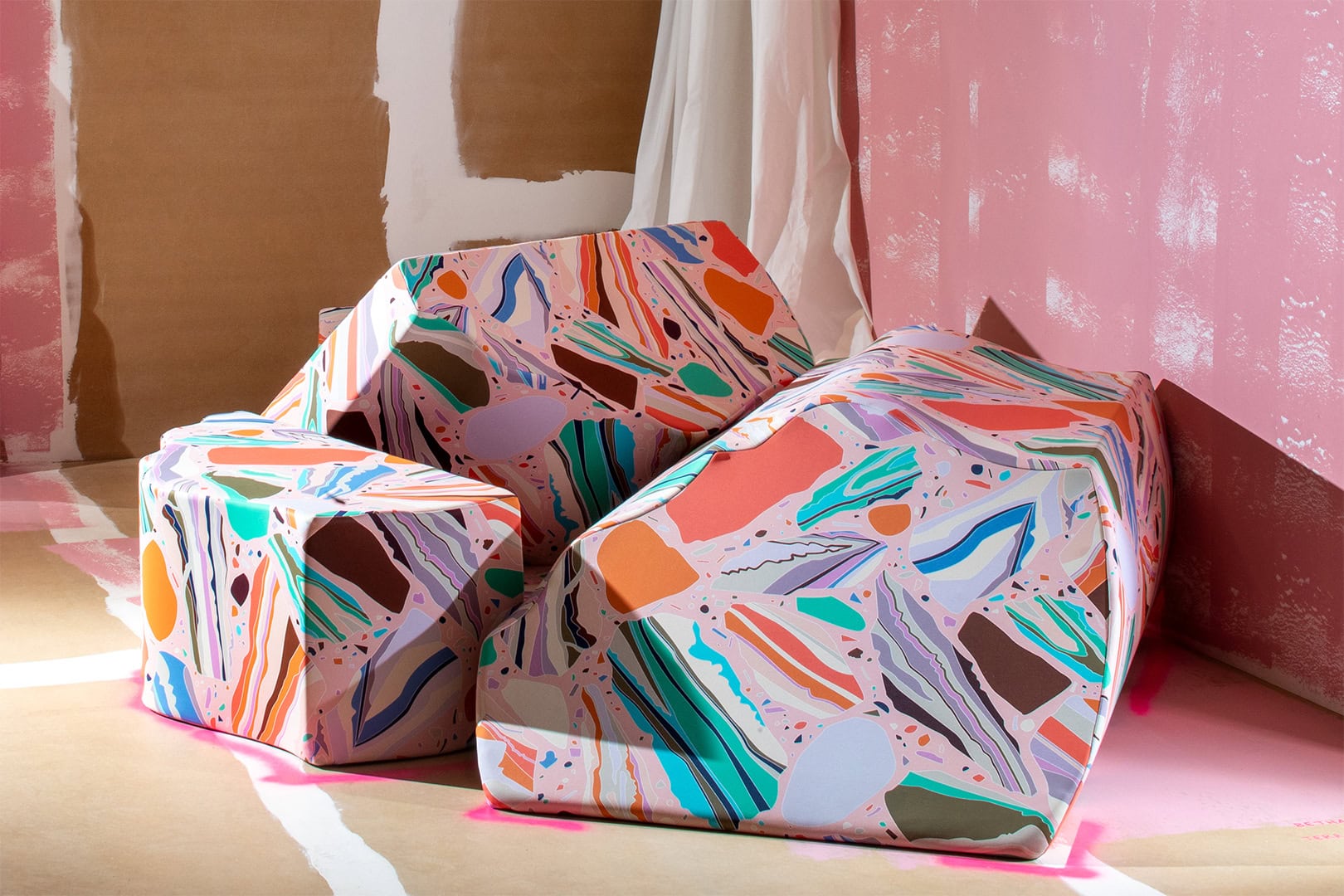
Patterns, geometries, colours and graphic elements belonging to the Poltronova collection escaped from the objects that generated them.
Three-dimensional forms became two-dimensional surfaces.
Surfaces became patterns.
Patterns became architecture.
The result was a heterogeneous “neutral” surface in which different identities could coexist without being neutralised: an environment where furniture, graphics and space continuously contaminated one another.
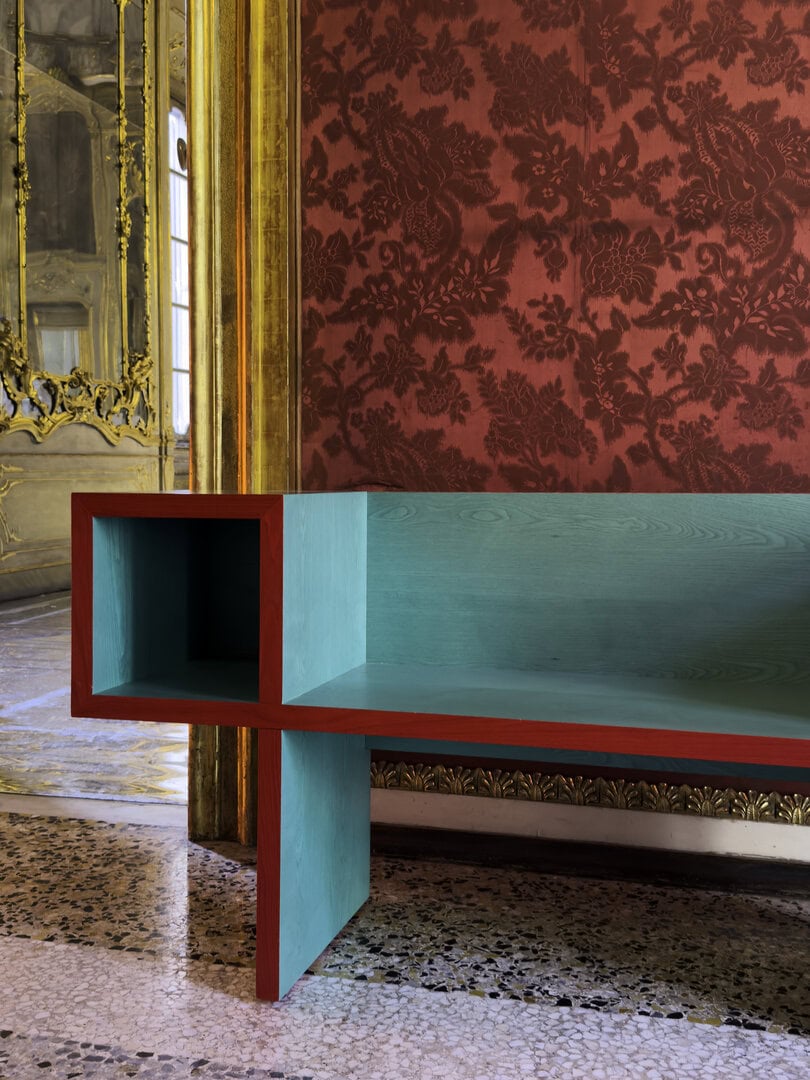
Within it, more than twenty works by Archizoom Associati, Lapo Binazzi, Nigel Coates, De Pas, D’Urbino, Lomazzi, Gianni Pettena, Franco Raggi, Ettore Sottsass jr., Superstudio, Lella and Massimo Vignelli emerged and disappeared into the installation.
Art Direction — Donatello D’Angelo @donutsinho / @d_apostrophe
Photography — Serena Eller @serenaeller / @ellerstudio
POLTRONOVA — UN—CONVENTIONAL FURNITURE.
Poltronova, Hyper Poltronova, Centro Studi Poltronova, Salone del Mobile Milano, Milano Design Week, Italian design, Radical Design, experimental design, furniture design, Ettore Sottsass, Archizoom Associati, Superstudio, Ultrafragola, Superonda, Safari, Mies, Rumble, Canton, Florence design, 1960s design, 1970s design, collectible design.
#Poltronova #DesignExhibition #ItalianDesign #ItalianDesign #Furniture
✱ HAVE YOU EVER HEARD OF RADICAL DESIGN?
On December 4, 1966, inside the small Galleria Jolly 2 in Pistoia, a group of young architects from Florence’s experimental architectural scene came together for an exhibition called Superarchitettura — around the newly founded Archizoom Associati and the emerging Superstudio.
It would become one of the foundational moments of Italian Radical Design.
The date matters. Exactly one month earlier, on November 4, 1966, Florence had been devastated by the great flood. Against this extraordinary backdrop, a new generation was beginning to question the cultural, architectural and social models it had inherited.
Superarchitettura brought Pop imagery, mass production, consumption, colour and parody into architecture. Its manifesto spoke of “superproduction, superconsumption, the supermarket, the superman and super petrol”: design was no longer simply about function, but a way of questioning the world around it.
In 2007, for Poltronova’s 50th anniversary, Centro Studi Poltronova faithfully reconstructed the historic exhibition, working from archival documentation and in dialogue with the knowledge surrounding its original protagonists.
1966 — the original exhibition.
2007 — its reconstruction.
2026 — Superarchitettura returns to Milan.
Today, it can be experienced again within Andrea Branzi by Toyo Ito. Continuous Present at Triennale Milano, conceived and designed by Toyo Ito.
If you’re in Milan, go and see it in person.
✱ @triennalemilano
Until October 4, 2026
〜✼〜✼〜✼〜✼〜✼〜
Visual references / credits
Centro Studi Poltronova archive
Galleria Carla Sozzani / Fondazione Sozzani — Superarchitettura, Milan, 2007
MAXXI — SUPERSTUDIO 50, Rome, 2016
Triennale Milano — Andrea Branzi by Toyo Ito. Continuous Present, Milan, 2026
MAXXI installation photography: Musacchio & Ianniello
Triennale Milano installation photography: Andrea Rossetti
#Poltronova #Superarchitettura #ArchizoomAssociati #Superstudio #RadicalDesign