

@poltronova on Instagram
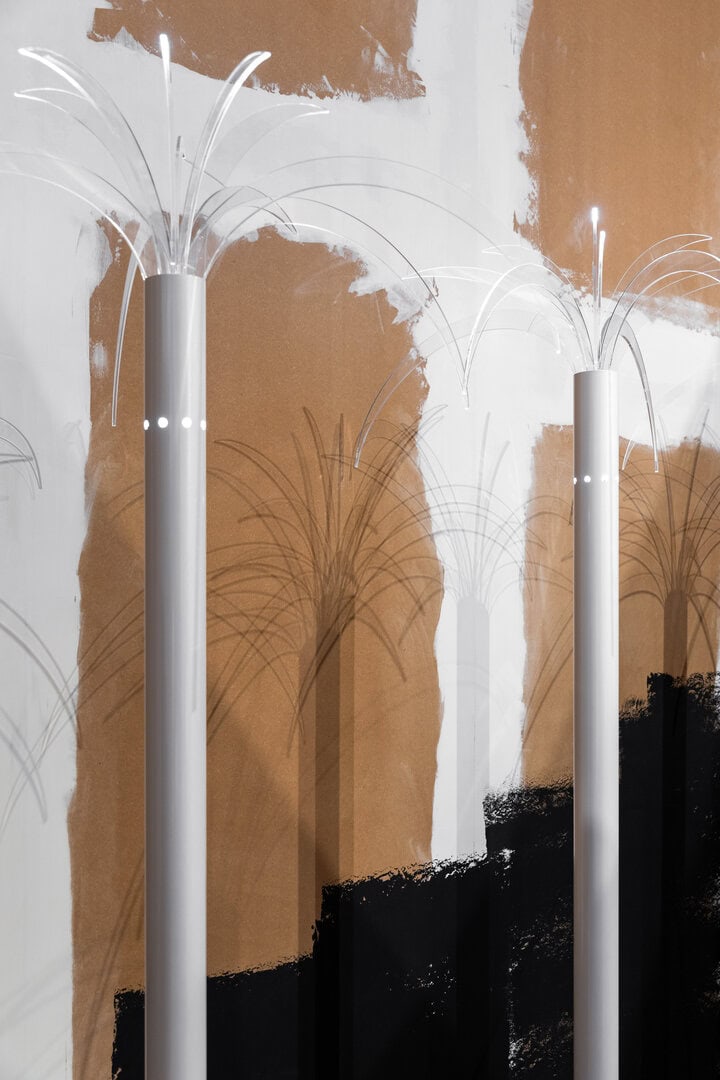
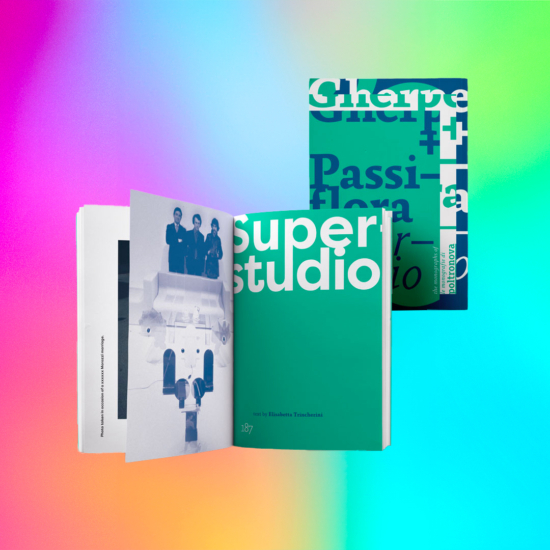
🌼 PASSIFLORA TABLE LAMP BY SUPERSTUDIO
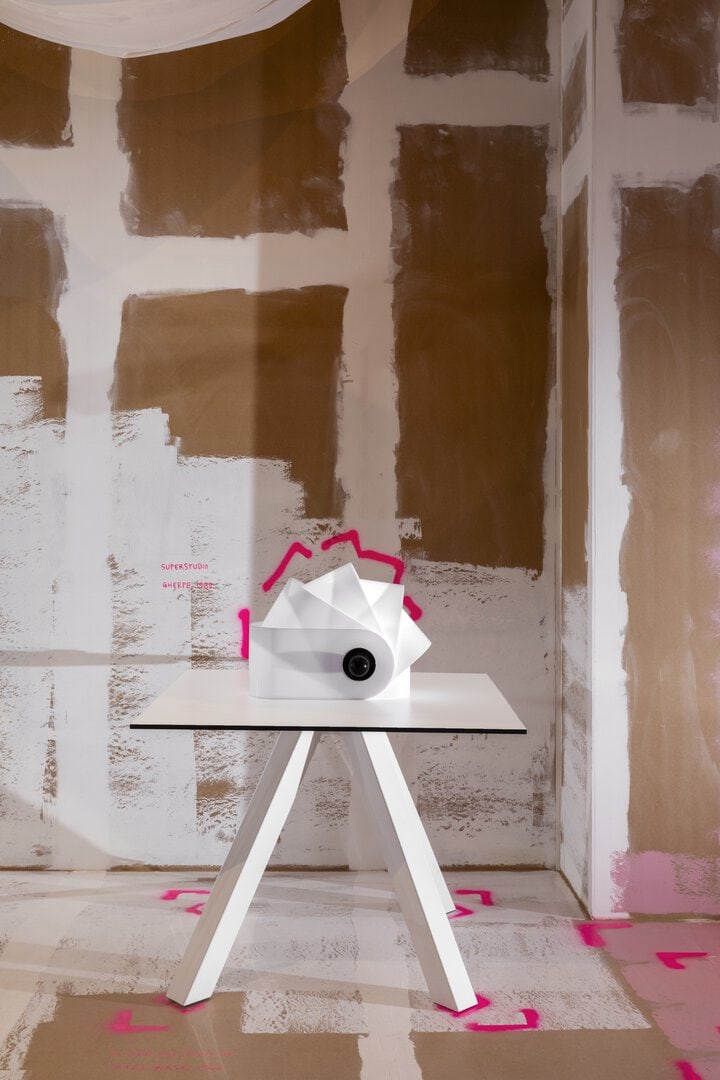
Designed by Superstudio for Poltronova in 1968, Passiflora is a table lamp that imagines a flower growing into a luminous column. Its distorted silhouette floats between the organic and the artificial, challenging the familiar language of lighting and turning an everyday object into an ambiguous presence.
The design originates from a painted cardboard prototype created for the legendary Superarchitettura exhibition in 1966, a manifesto of the emerging Italian Radical Design movement. For Poltronova, cardboard was replaced by a light-permeable material, transforming the original form into the luminous object produced today.
More than an object to illuminate a room, Passiflora creates an atmosphere—transforming light into emotion. Its truncated, almost architectural form plays with scale and perception, while its deliberately artificial interpretation of nature reflects Superstudio’s wider questioning of conventional ideas of objects, interiors and domestic space.
Produced in Italy by Poltronova, Passiflora remains one of the most distinctive examples of Superstudio’s Radical Design, where function, imagery and experimentation come together in a light that is anything but ordinary.
#Poltronova #Passiflora #Superstudio #RadicalDesign #ItalianDesign
Keywords: Passiflora table lamp, Superstudio, Poltronova, Passiflora 1968, Italian Radical Design, Radical Architecture, Italian lighting design, designer table lamp, collectible lighting, Superarchitettura, 1960s Italian design, iconic Italian furniture, Made in Italy

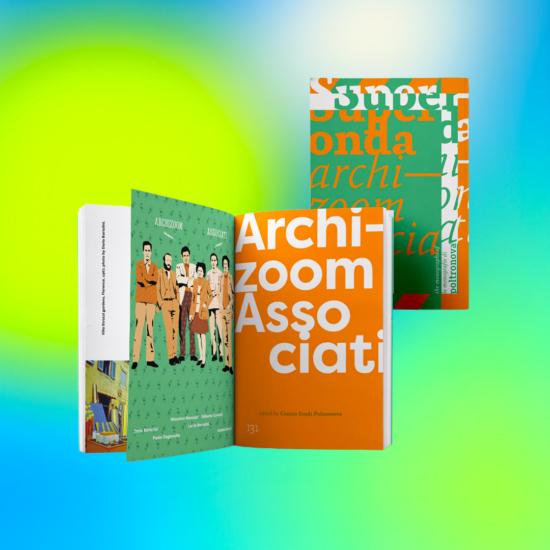
SUPERONDA + FARFALLA🦋
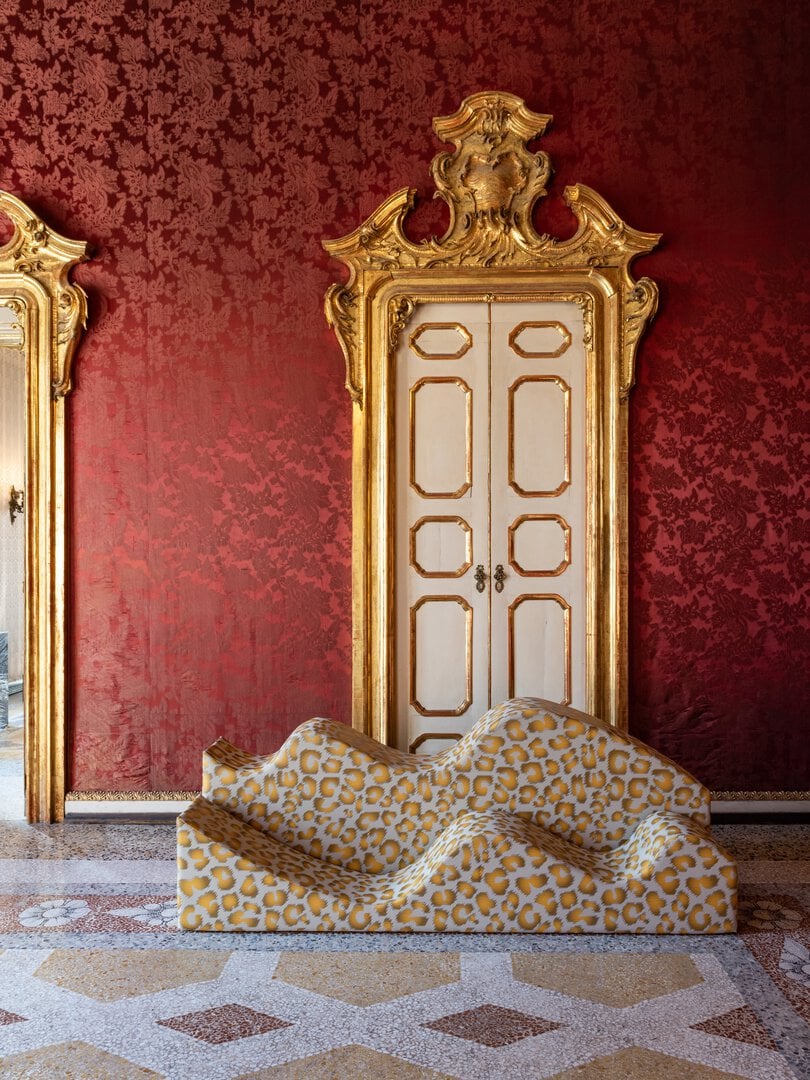
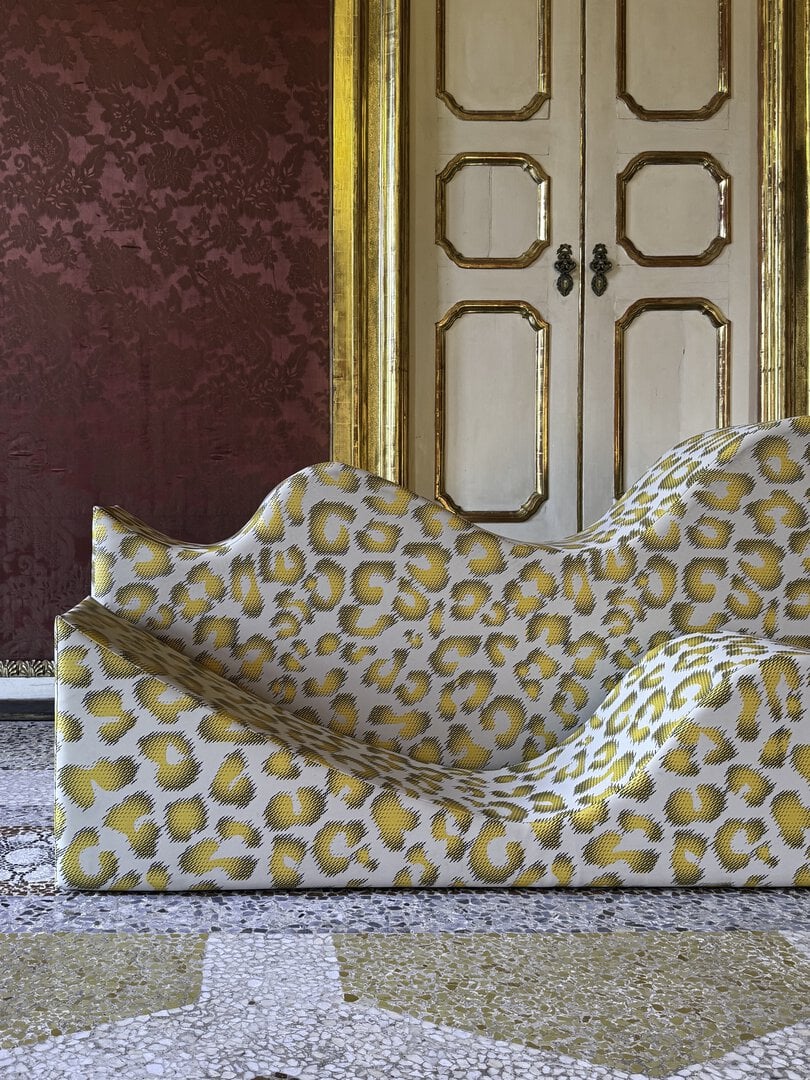
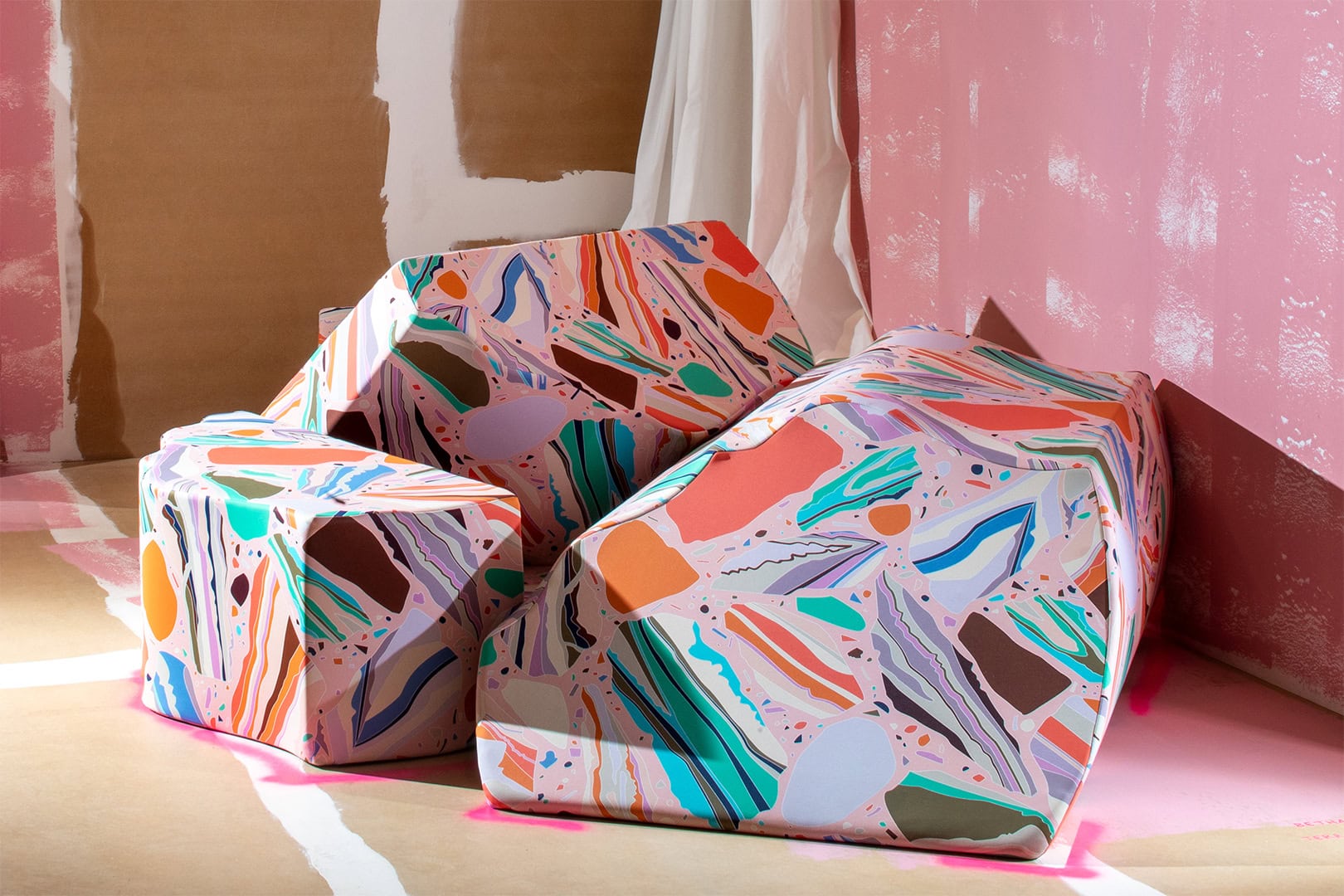
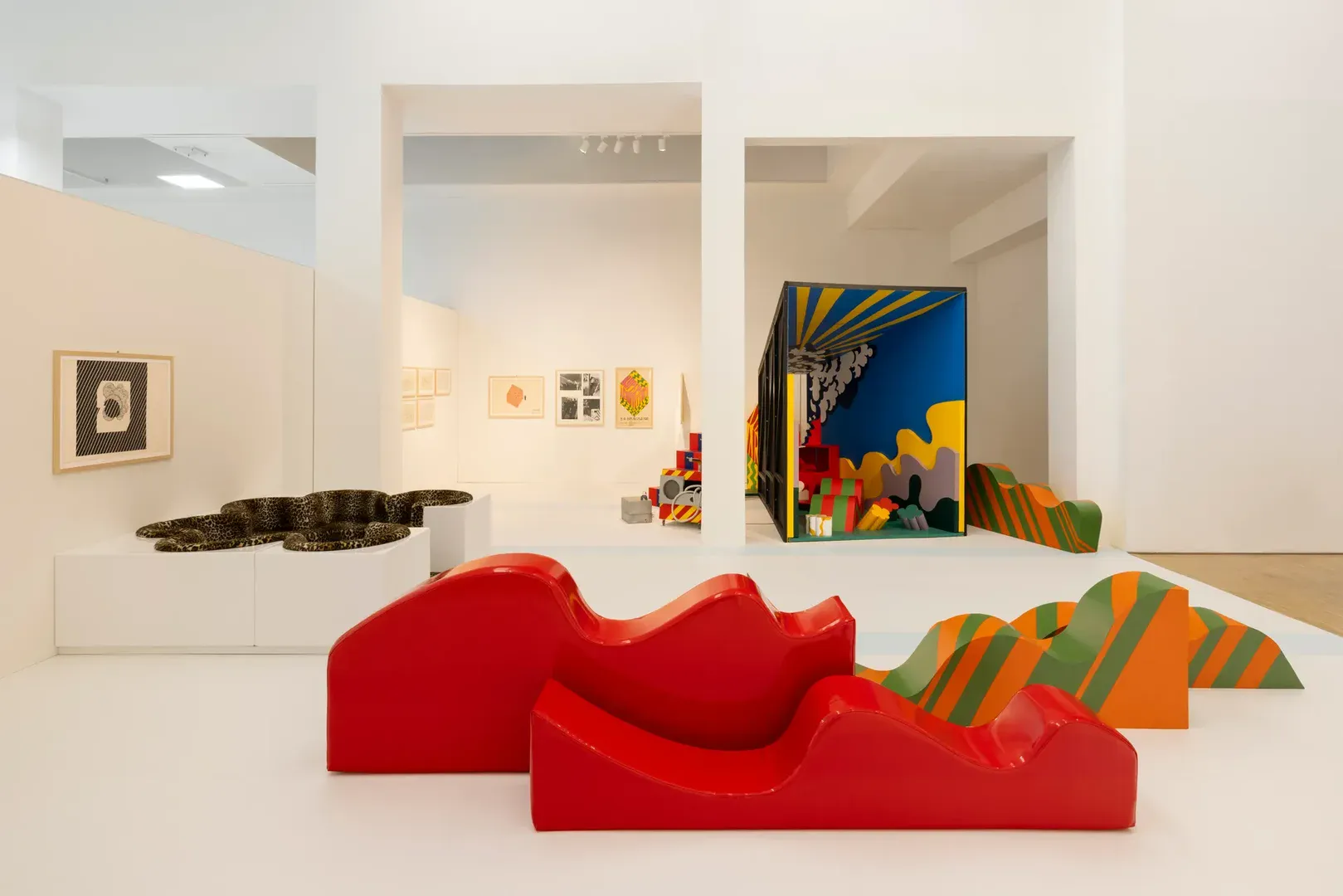
The Superonda sofa by Archizoom Associati for Poltronova, 1967, meets Farfalla, the printed fabric designed by the same group in 1968: two expressions of Archizoom’s irreverent approach to furniture, decoration and mass culture.
With Farfalla, the traditional floral motif gets a deliberately pop disruption. Butterflies and flowers collide with the visual language of American Pop Art and the graphic experiments associated with artists such as Roy Lichtenstein. Andrea Branzi later recalled that the intention was precisely to cross floral decoration with pop imagery inspired by typographic printing, creating a contrast between two apparently incompatible visual worlds.
Applied to Superonda, that contrast becomes even louder. Designed without a conventional frame, legs or backrest, the sofa itself had already challenged the established typology of upholstered furniture. Farfalla adds another layer: pattern is no longer polite decoration, but part of the provocation.
Superonda is composed of two polyurethane elements cut from a single block and can be arranged in different configurations, while Farfalla is today part of Poltronova’s fabric catalogue, produced in polyamide and elastane with a polyurethane midlayer.
Two Archizoom projects. Two different years.
One very unapologetic idea of living.
#Poltronova #SuperondaSofa #ArchizoomAssociati #FarfallaFabric #RadicalDesign
Superonda sofa, Farfalla fabric, Archizoom Associati, Poltronova, Superonda 1966, Farfalla 1968, Italian Radical Design, Radical Architecture, Pop Art furniture, printed fabric, Italian design, collectible design, Made in Italy.
Poltronova: MORE THAN MORE
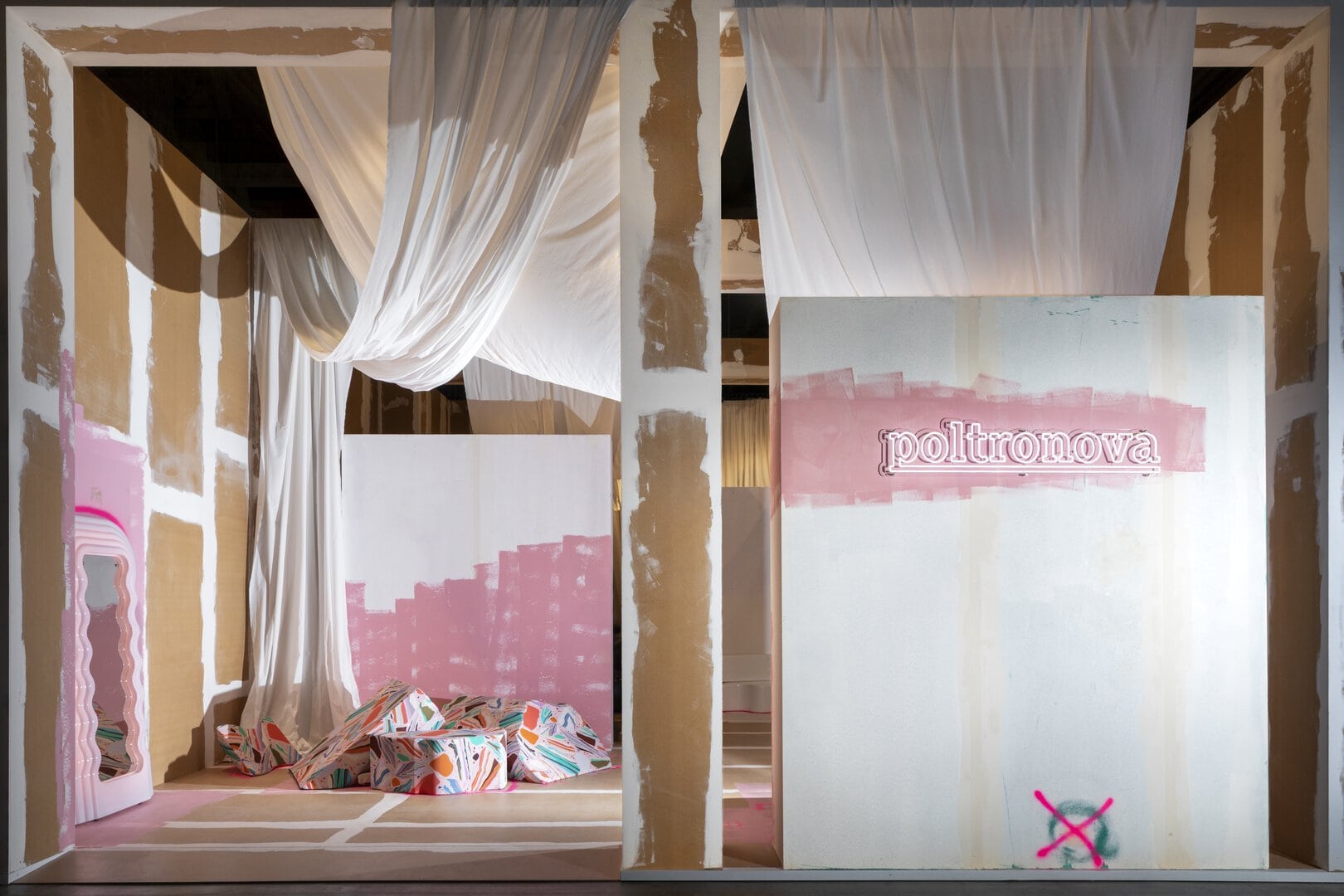
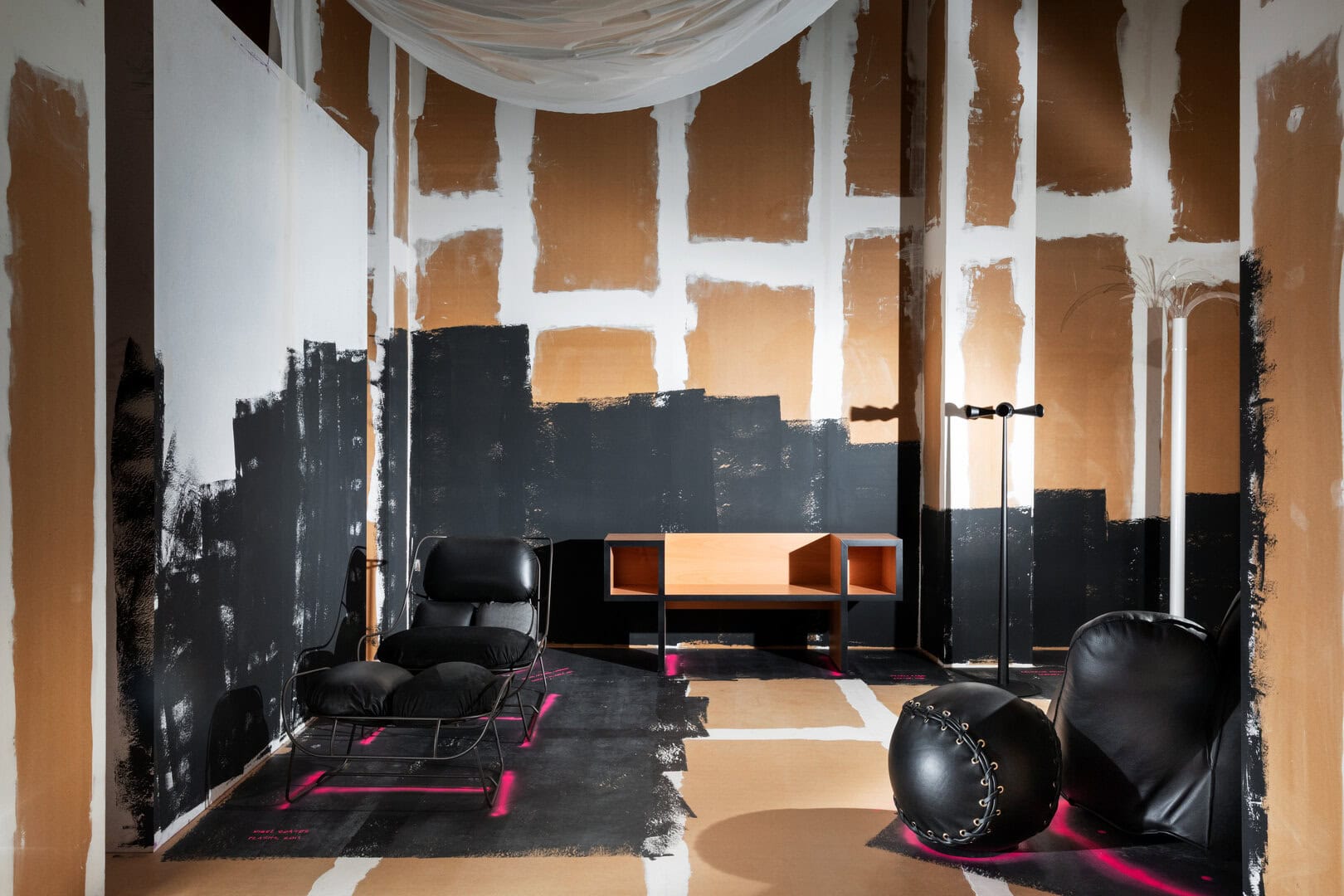
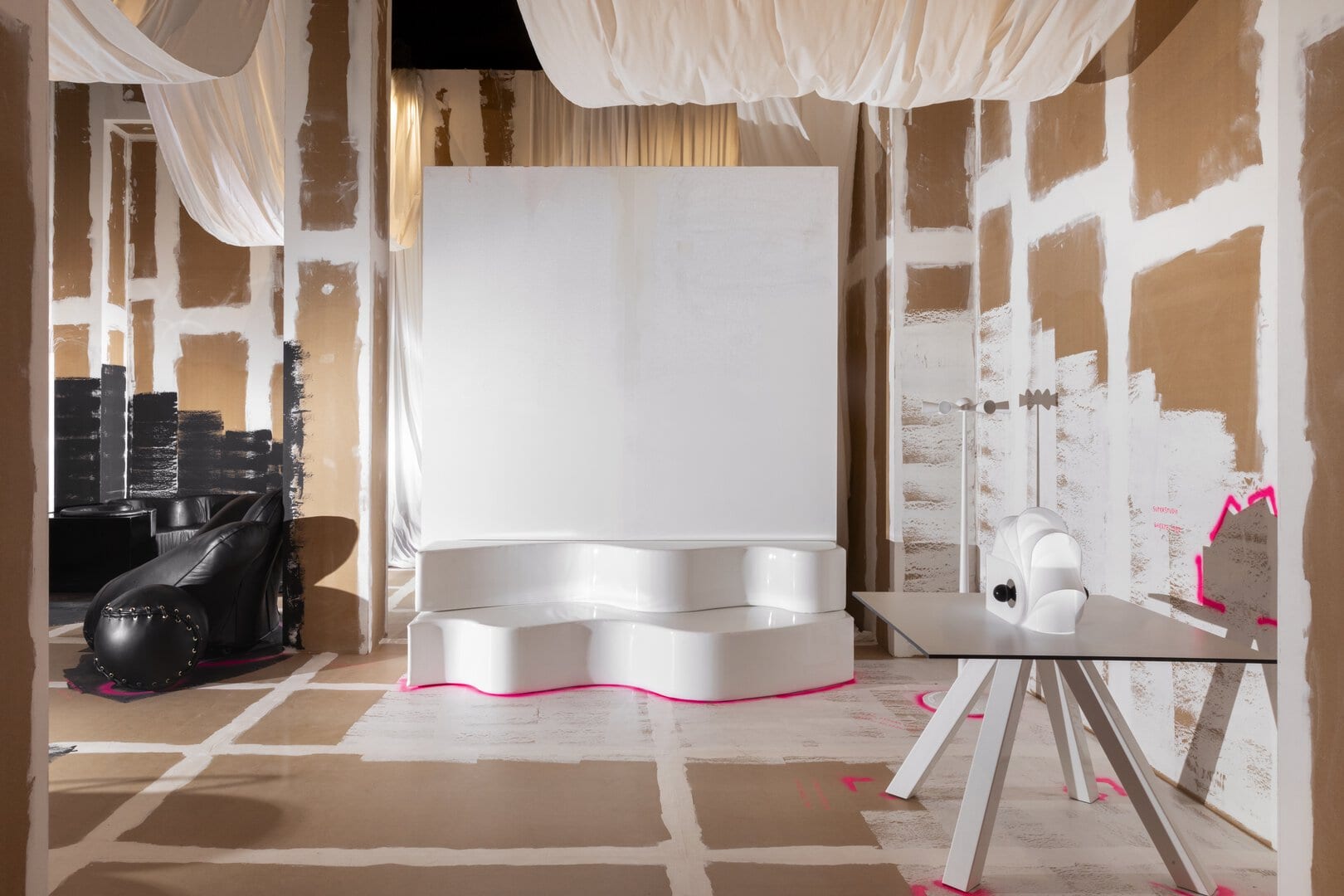
During Milano Design Week 2026, Poltronova extended its presence across the city, entering different contexts and activating new spatial narratives.
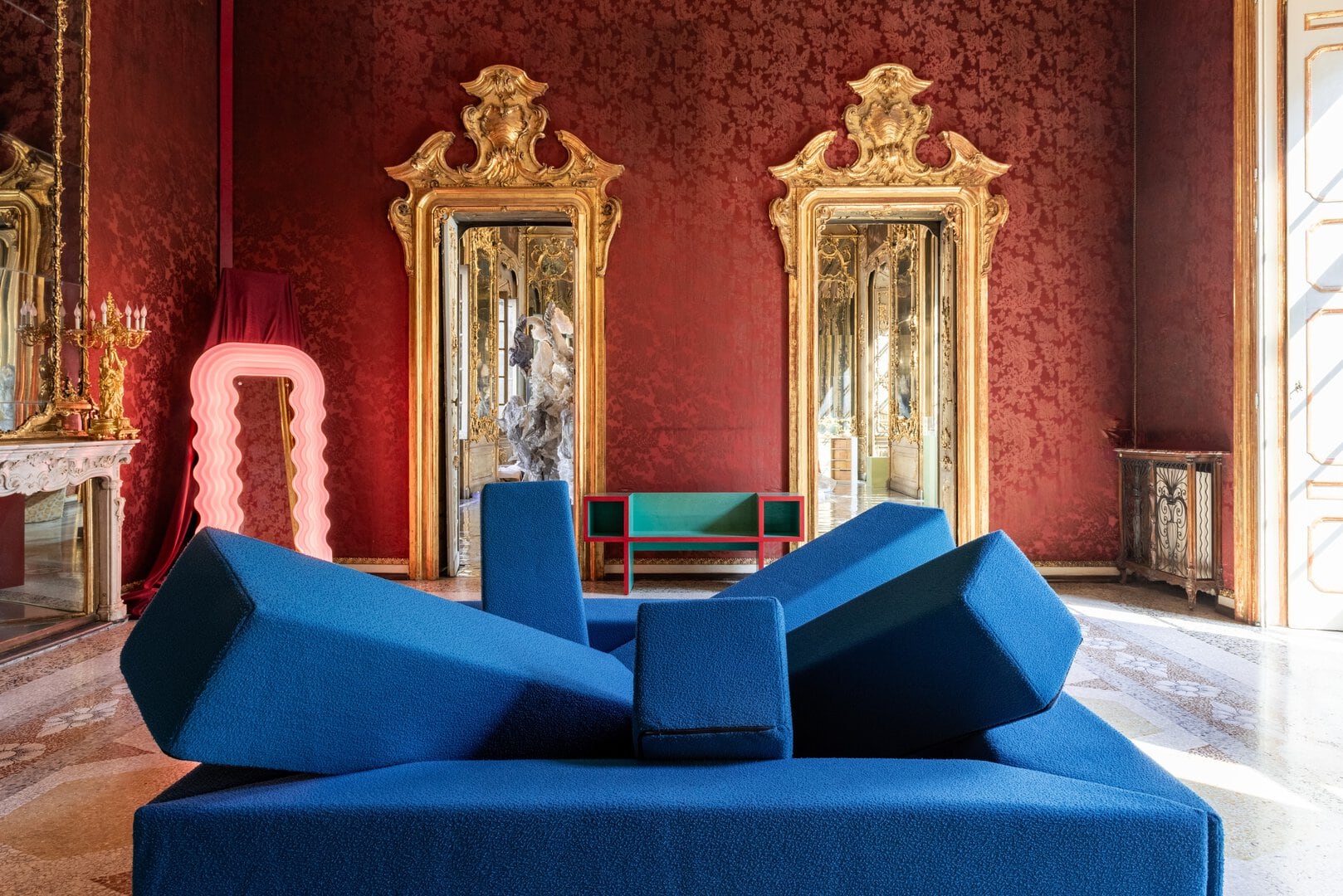
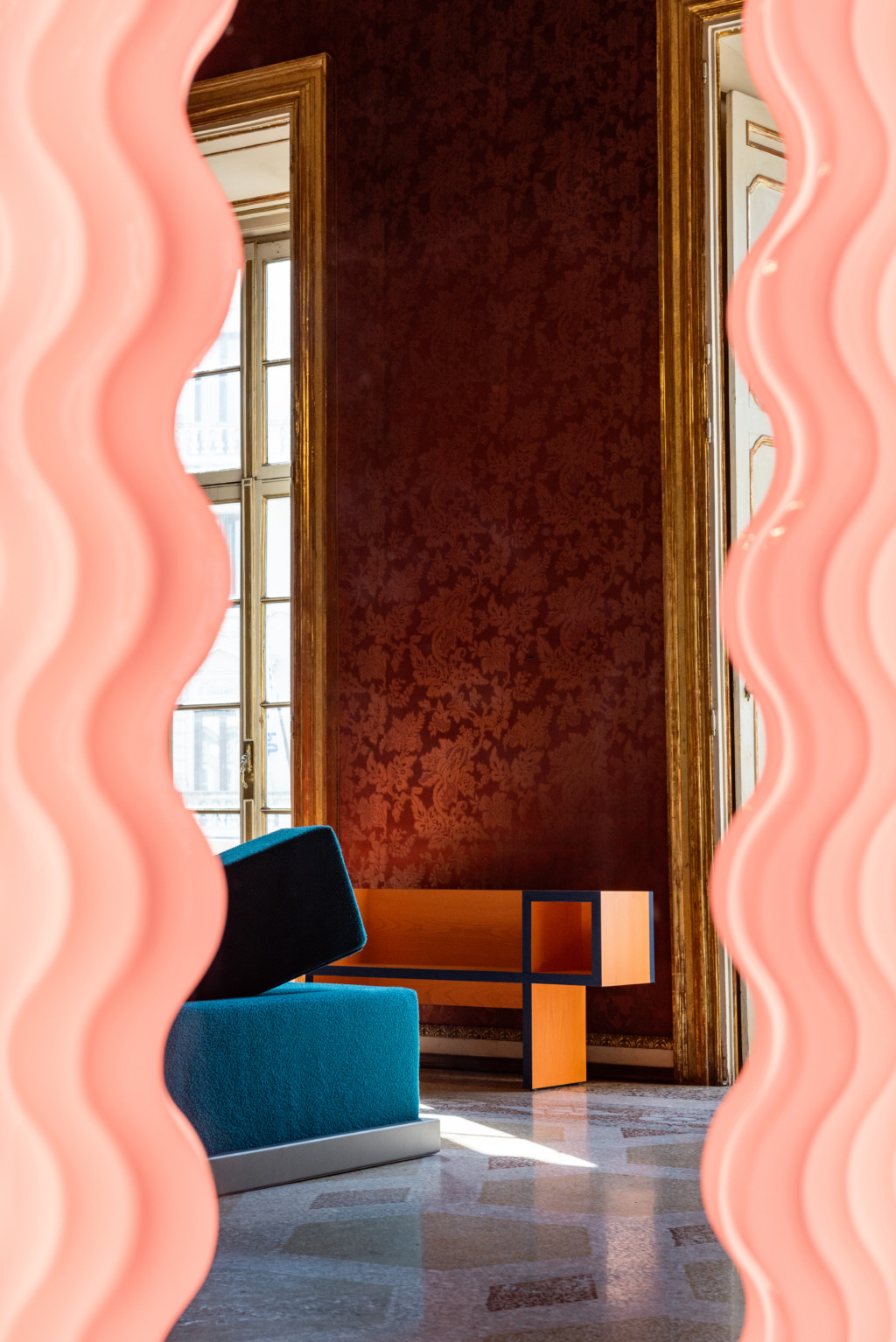
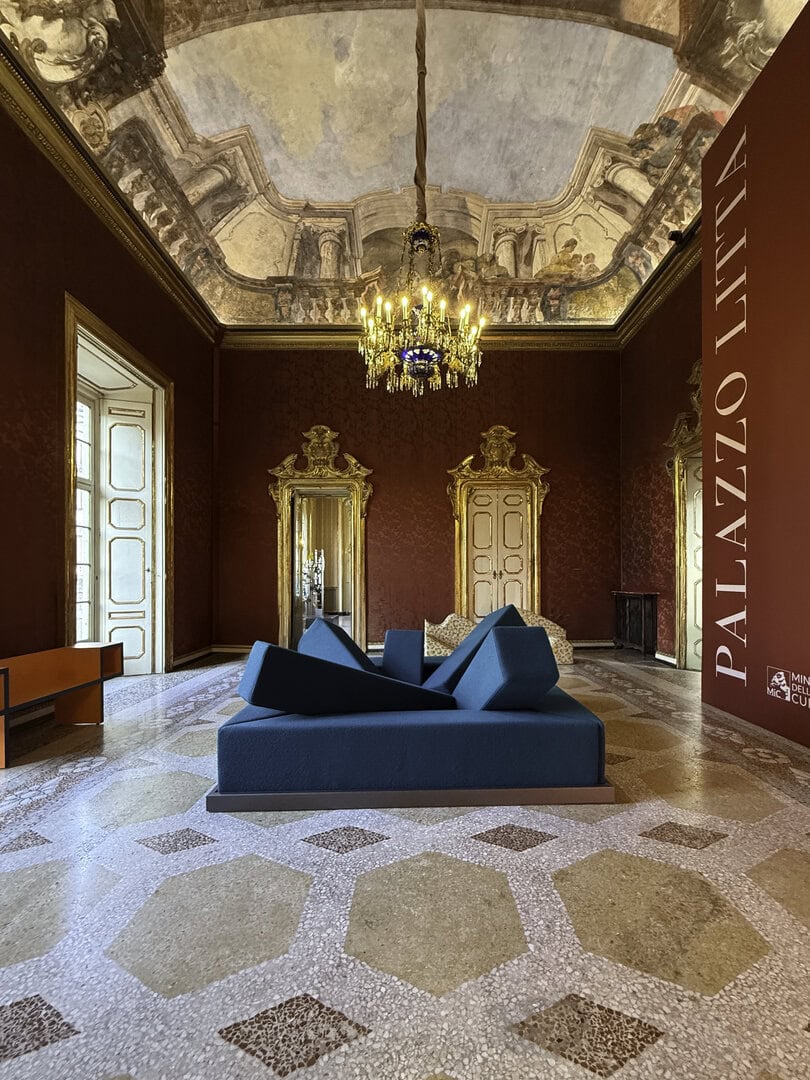
At Palazzo Litta, within MoscaPartners Variations – Metamorphosis, an open composition of Poltronova icons inhabited the Sala Rossa as a dynamic, non-hierarchical system.
Not a fixed display, but a constellation of forms, colours and attitudes: objects in dialogue, constructing the space through accumulation, intensity and transformation.
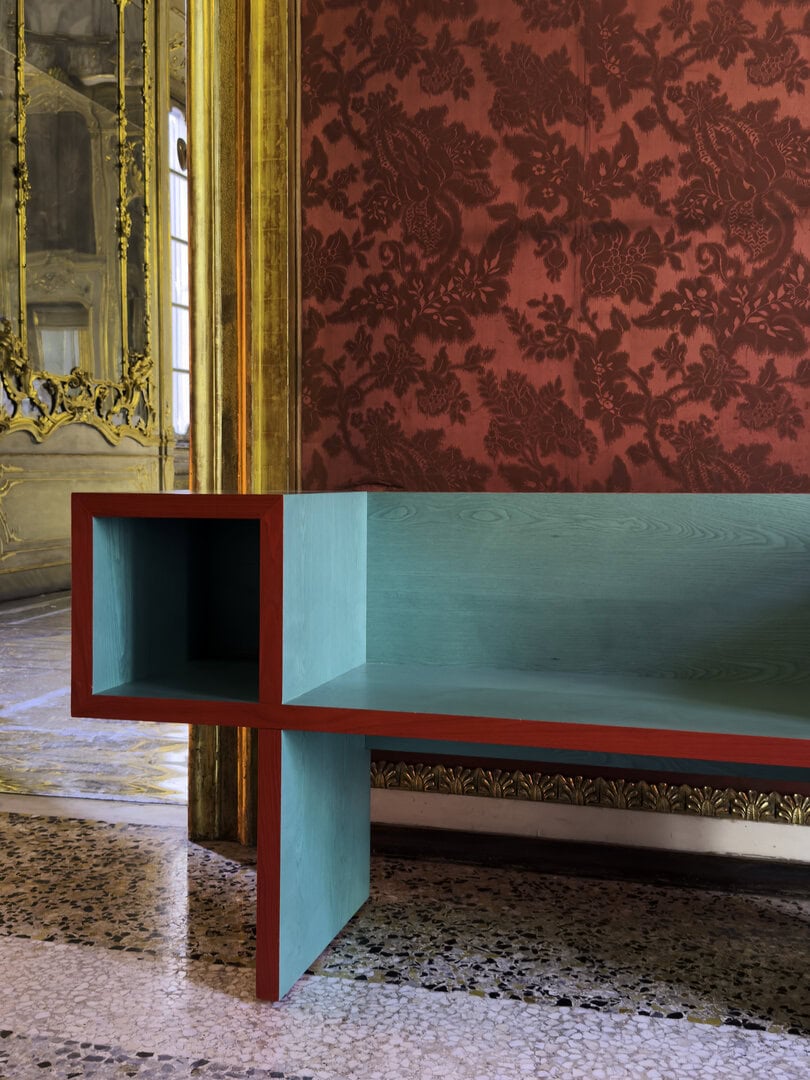
On view: Rumble playful sofa by Gianni Pettena, Ultrafragola mirror/lamp by Ettore Sottsass jr., Canton wooden bench by Franco Raggi, and Superonda Spots dynamic sofa by Archizoom Associati, special edition by Paolo Deganello.
Poltronova: More than More
🪰 MoscaPartners Variations – Metamorphosis @moscapartners
📍Palazzo Litta, Milan
📸 Photo credits: Nathalie Krag, courtesy of MoscaPartners @nathaliekragphotographer
#Poltronova #UltrafragolaMirror #RumbleSofa #MilanoDesignWeek2026 #MDW2026
Poltronova: MORE THAN MORE.
During Milano Design Week 2026, Poltronova extended its presence across the city, entering different contexts and activating new spatial narratives.
At Palazzo Litta, within MoscaPartners Variations – Metamorphosis, an open composition of Poltronova icons inhabited the Sala Rossa as a dynamic, non-hierarchical system.
Not a fixed display, but a constellation of forms, colours and attitudes: objects in dialogue, constructing the space through accumulation, intensity and transformation.
On view: Rumble by Gianni Pettena, Ultrafragola by Ettore Sottsass jr., Canton by Franco Raggi, and Superonda Spots by Archizoom Associati, special edition by Paolo Deganello.
Poltronova: MORE THAN MORE
🪰 MoscaPartners Variations – Metamorphosis @moscapartners
📍Palazzo Litta, Milan
📸 Photo: @donutsinho @gianlucagaru
#Poltronova #CantonBench #MilanDesignWeek2026 #moreismore #maximalistdesign
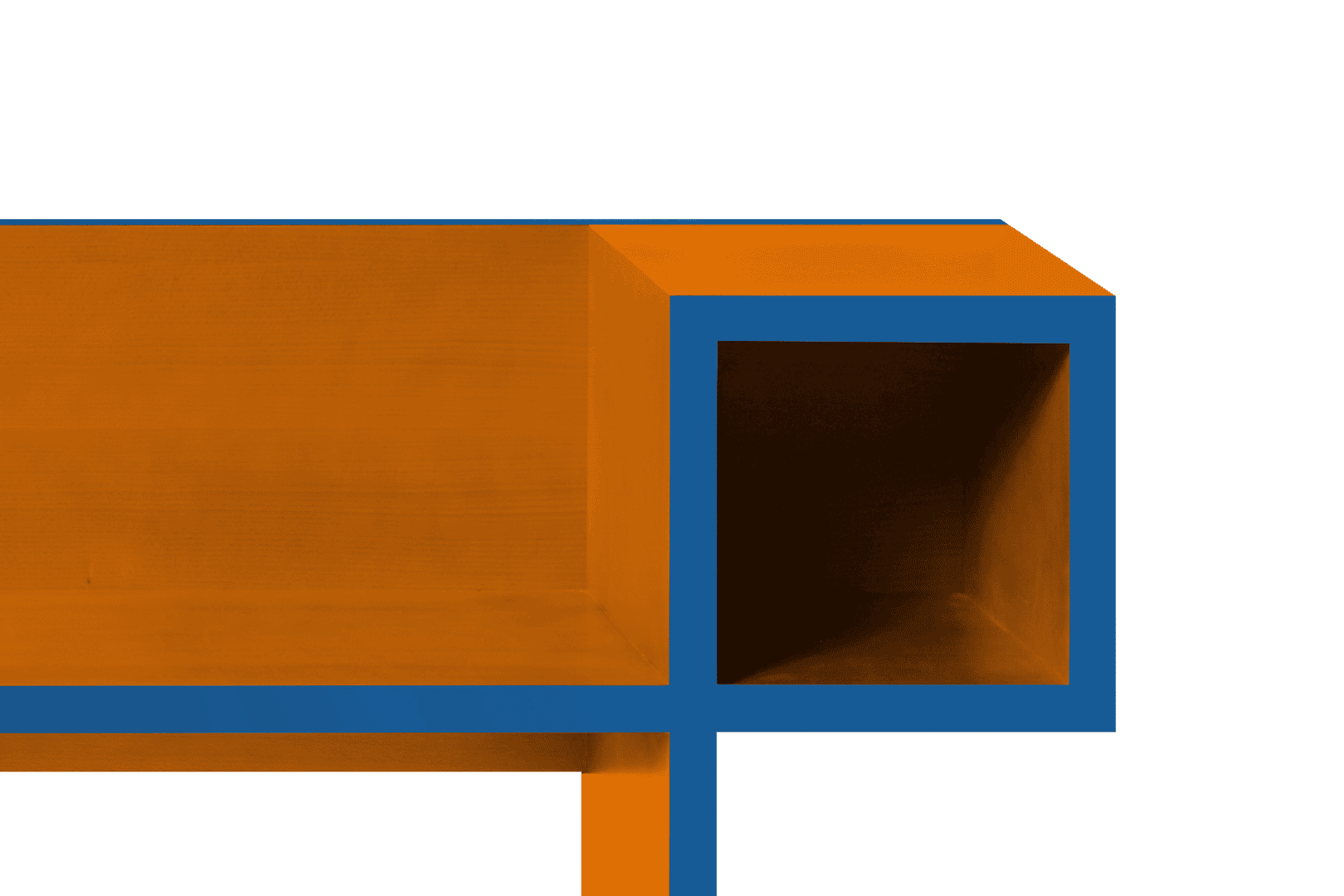
A LINE BECOMES A BENCH.
Canton transforms a continuous graphic gesture into architecture.
#poltronova #cantonbench #francoraggi
THE MIRROR THAT REFUSES TO DISAPPEAR.
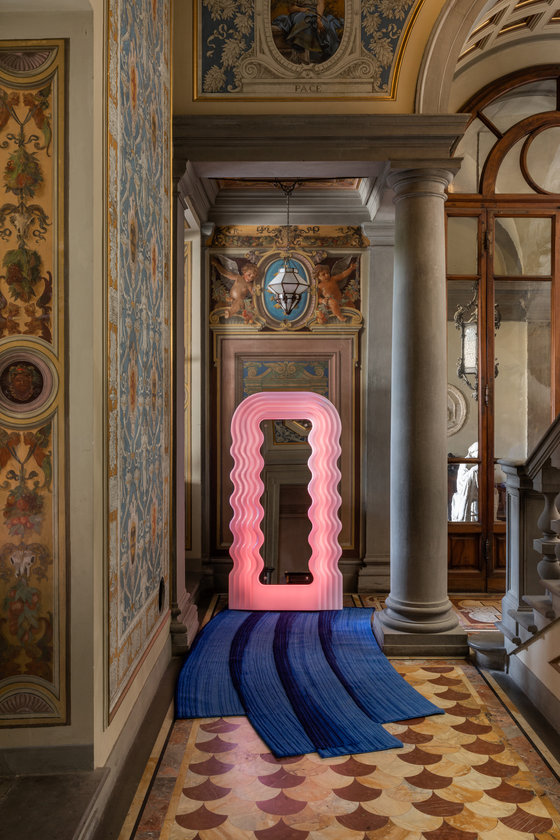
Ultrafragola reflects the room while transforming its atmosphere.
#poltronova #ultrafragolamirror #ettoresottsass
DESIGNED TO MATCH THE SCALE OF THE ROOM.
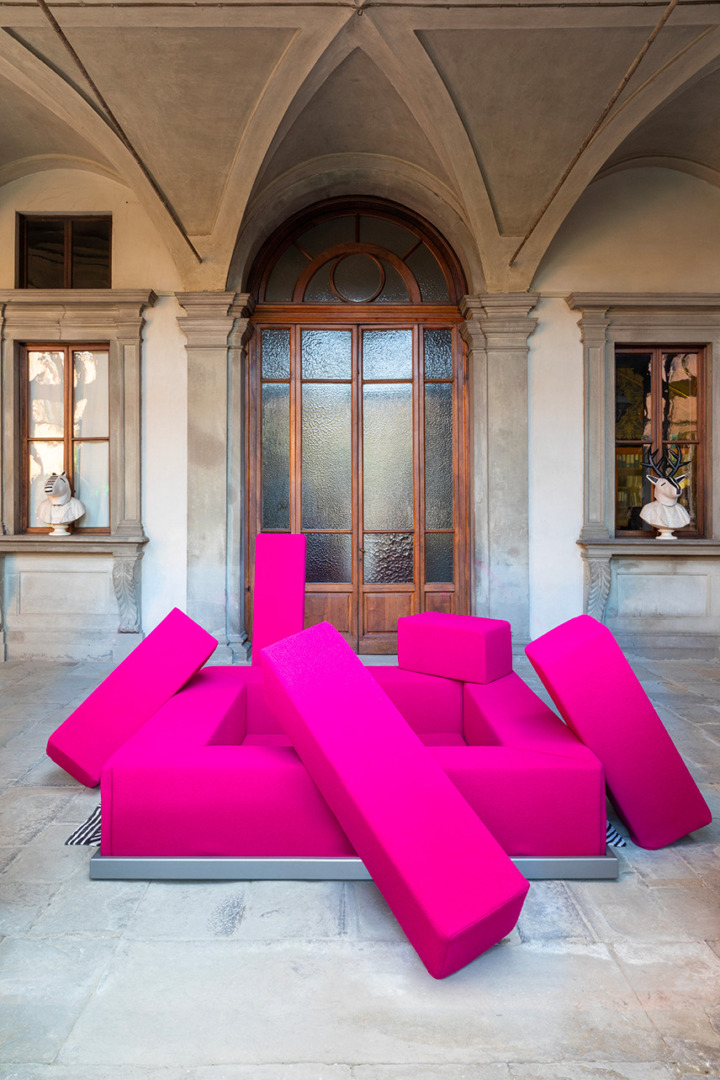
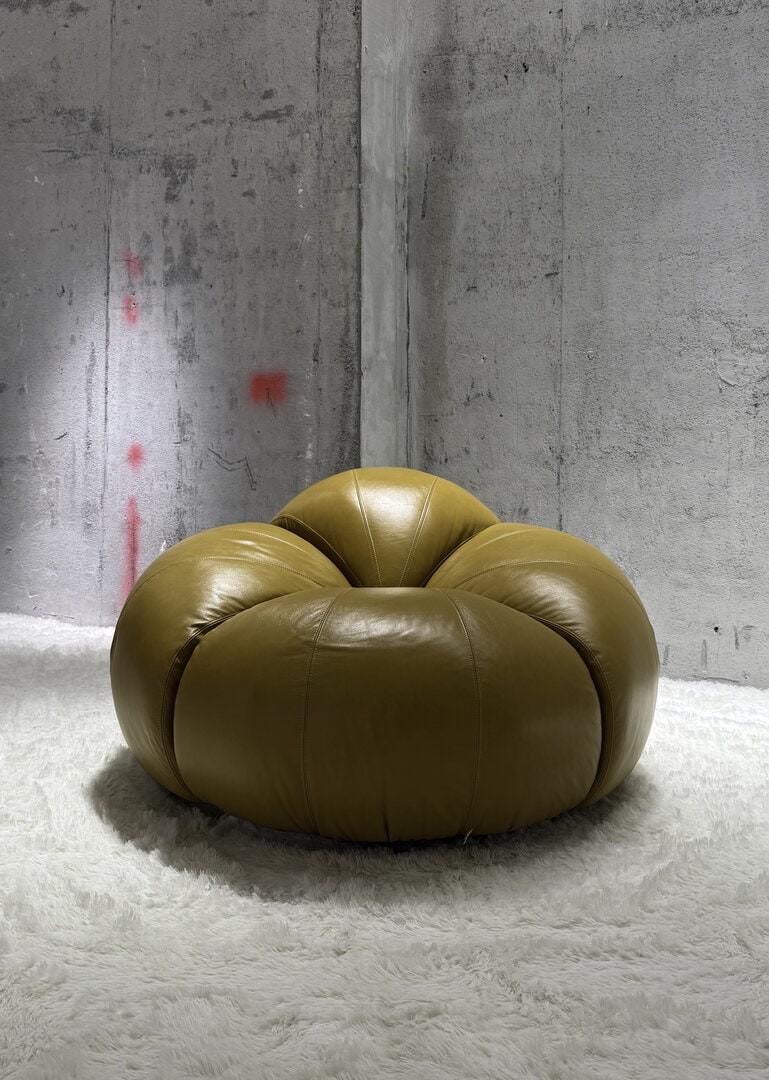
Rumble turns seating into an open landscape of movable cushions.
#poltronova #rumblesofa #giannipettena
NO PRESCRIBED POSITION.
Each cushion can be moved, tilted and rearranged.
#poltronova #rumblesofa #giannipettena
COLOUR CHANGES THE PERSPECTIVE.
Positive and negative, inside and outside: Canton turns geometry into a visual game.
#poltronova #cantonbench #francoraggi
@donutsinho
COMFORT WITHOUT A FIXED FORM.
Rumble changes with the body, the space and the people inhabiting it.
#poltronova #rumblesofa #giannipettena
PART MIRROR. PART LIGHT. FULL PRESENCE.
Ultrafragola’s illuminated profile draws a new outline within the room.
#poltronova #ultrafragolamirror #ettoresottsass #maximalism #baroque
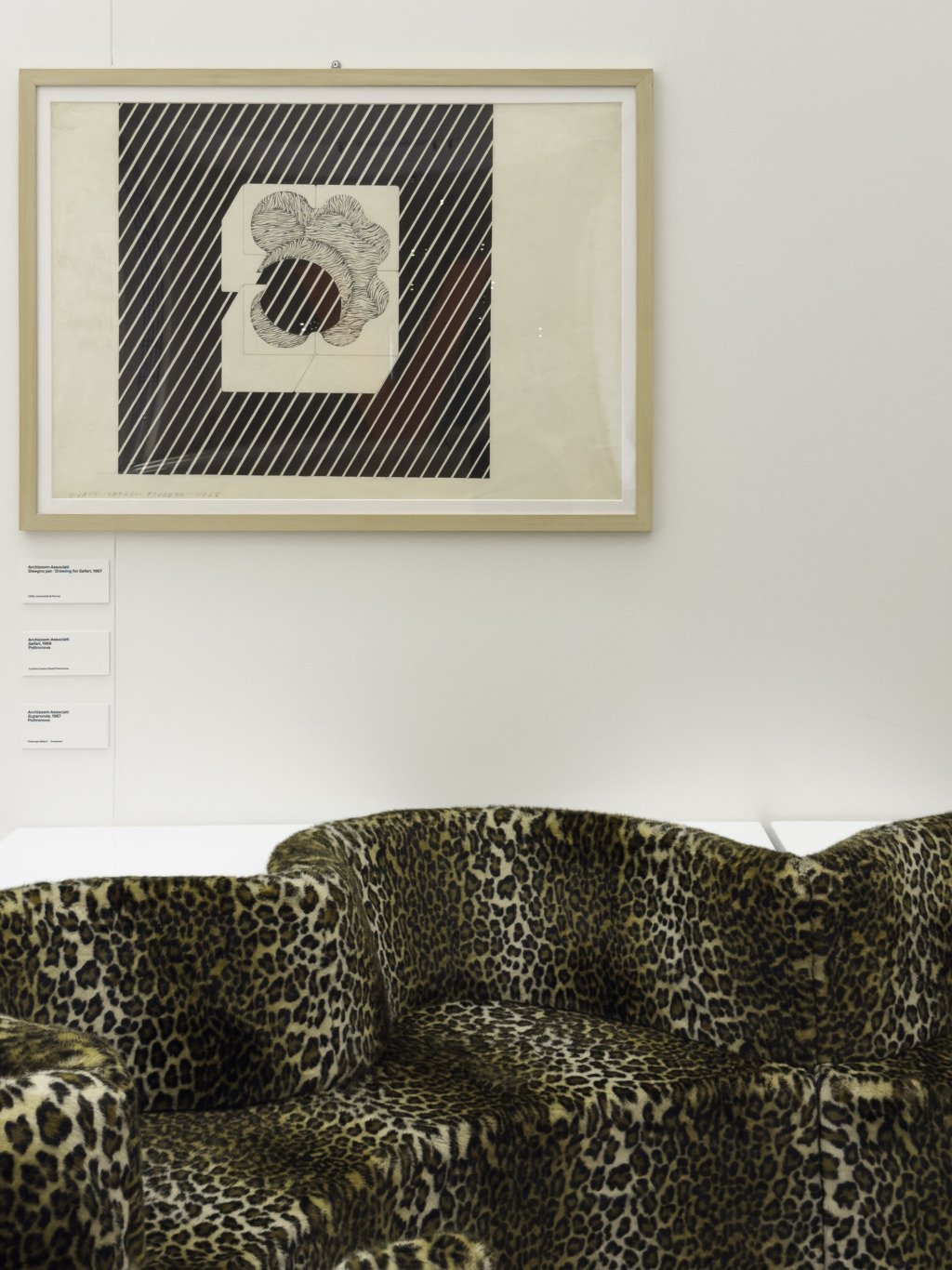
SUPERONDA, SPOTTED.
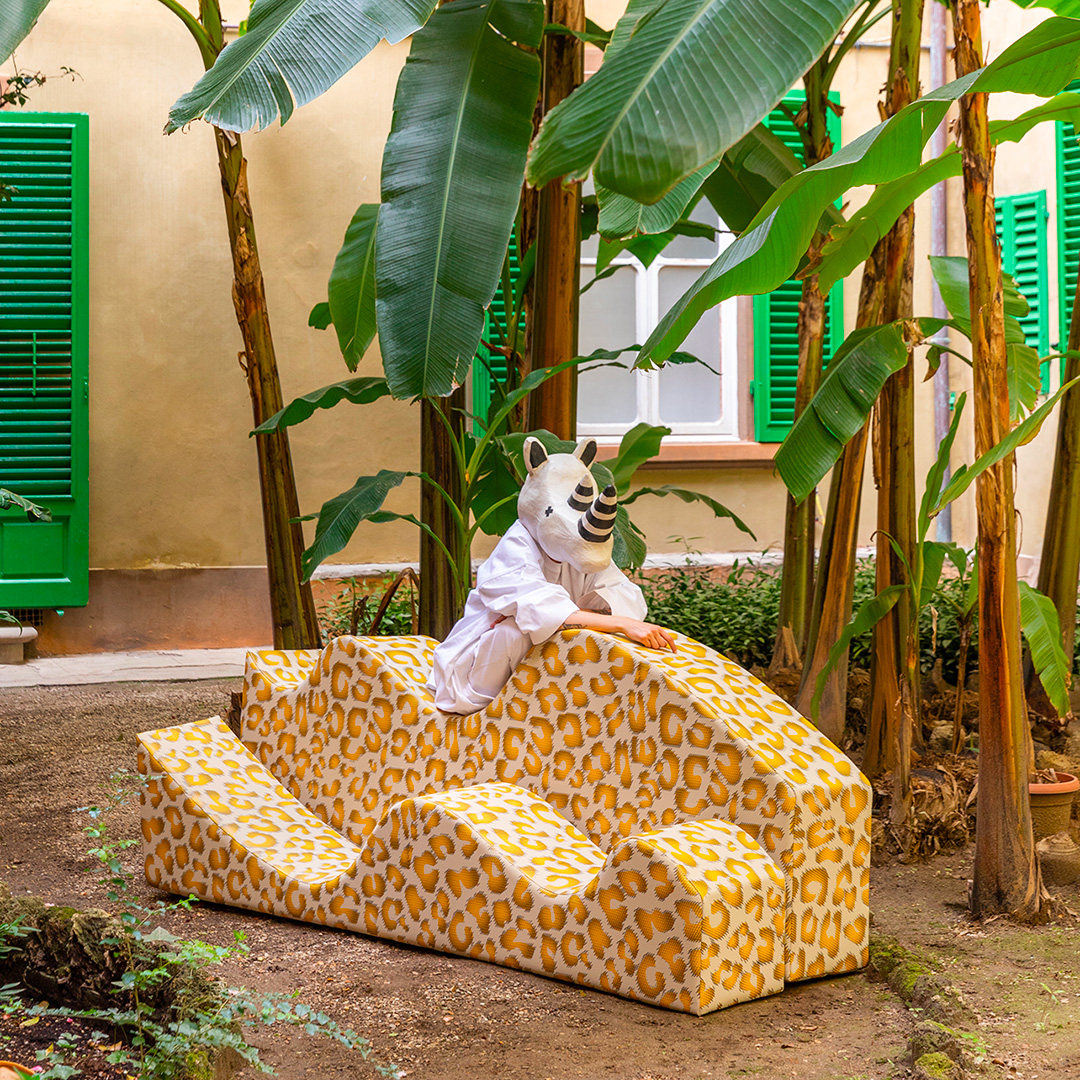
Paolo Deganello gives Archizoom’s dynamic sofa a new, untamed skin.
#poltronova #superondasofa #superondaspots #paolodeganello #superondaspecial
THE WAVE NEVER SITS STILL.
Without frame, legs or backrest, Su
READING IS FUNDAMENTAL.
Designed by Gianfranco Fini for Poltronova and first introduced in 1975, Regolo is a modular seating system that turns Fini’s fascination with regularity, geometry and seriality into furniture. An armchair, a two-seater or a three-seater sofa: the same essential architectural structure expands according to the space around it.
But Regolo was never conceived to be seen only from the front. Integrated storage compartments run along the sides and back, designed primarily to hold books and objects. This makes the sofa completely accessible from every side and particularly suited to freestanding placement at the center of a room—a piece of furniture that organizes the space around itself rather than simply occupying a wall.
Originally made in pine, today Regolo is reissued by Poltronova with a solid ash wood frame, selected for greater stability and durability, while its generous polyurethane-padded cushions balance the rigorous geometry of the structure with comfort.
Available as a 100 cm armchair, 160 cm two-seater sofa or 220 cm three-seater sofa, Regolo can be upholstered in three different materials: velour, linen or recycled wool. The current palette includes [velour] Mont Blanc / Tuscan sand / wolf gray / light lilac, [linen] flax / celadon / sky blue / old pink and [recycled wool] cream / teal / ocean / taupe
A sofa. A bookcase. A small piece of architecture.
Regolo still plays by its own rules.
———————————————————————
#Poltronova #Regolo #GianfrancoFini #ItalianDesign #ModularSofa
Regolo sofa, Gianfranco Fini, Poltronova, Italian design, modular sofa, modular seating, solid ash furniture, 1970s Italian design, collectible furniture, contemporary interiors, Made in Italy.
Its image is everywhere. Its meaning is not.
Designed by Ettore Sottsass for Poltronova in 1970, Ultrafragola is far more than one of the world’s most recognizable mirrors. It is the only piece from Sottsass’ experimental Mobili Grigi collection to enter serial production, making it the sole accessible witness to one of the designer’s most visionary and uncompromising research projects.
Presented by Poltronova at Eurodomus 3 in Milan in 1970 under the Design Centre label, the collection explored a completely new relationship between furniture, light and space. Produced in fiberglass—a material more commonly associated with boat building than furniture design—and illuminated from within by neon, the Mobili Grigi emerged from darkness like apparitions. Sottsass imagined them as three-dimensional silhouettes, almost immaterial presences capable of transforming the atmosphere of a room rather than simply furnishing it.
Ultrafragola embodies this vision perfectly. Its undulating frame, illuminated by pink neon, echoes what Sottsass himself described as “rounded, swollen forms of feminine origin—or, if you prefer, religious origin (which is the same thing).” Beauty here is never decorative. It becomes symbolic, emotional and almost spiritual.
When first presented, the collection divided critics and audiences alike. Too experimental, too unsettling and deliberately detached from commercial expectations, the Mobili Grigi never achieved commercial success. Most of the pieces remained rare prototypes, while Ultrafragola became the only project to survive in production—eventually growing into one of the defining icons of twentieth-century Italian design.
Today its silhouette is endlessly imitated. Yet what is often reproduced is only its appearance, not the cultural vision behind it. The original Ultrafragola has always been, and continues to be, produced by Poltronova.
#Poltronova #Ultrafragola #EttoreSottsass #ItalianDesign #DesignHistory
Ultrafragola mirror, original Ultrafragola, Ettore Sottsass, Poltronova, Mobili Grigi, Design Centre, Italian design, collectible design, fiberglass furniture, illuminated mirror, Eurodomus 1970, pink wavy mirror