


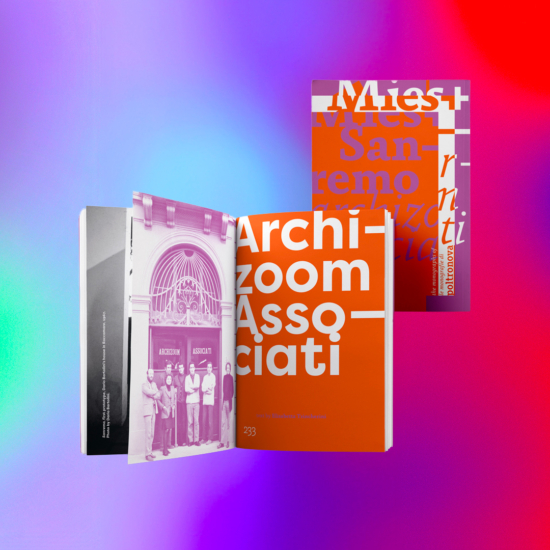
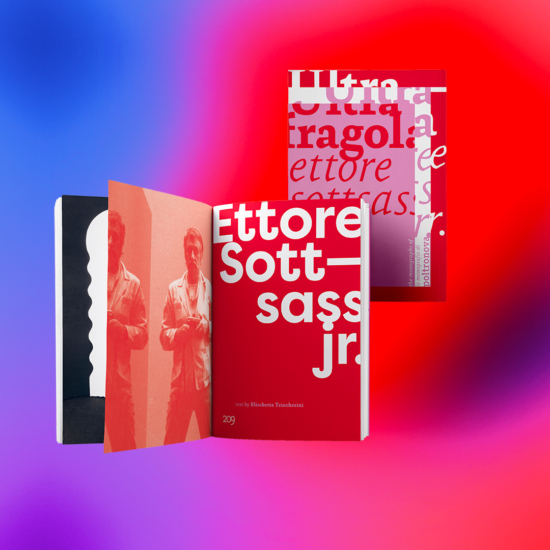
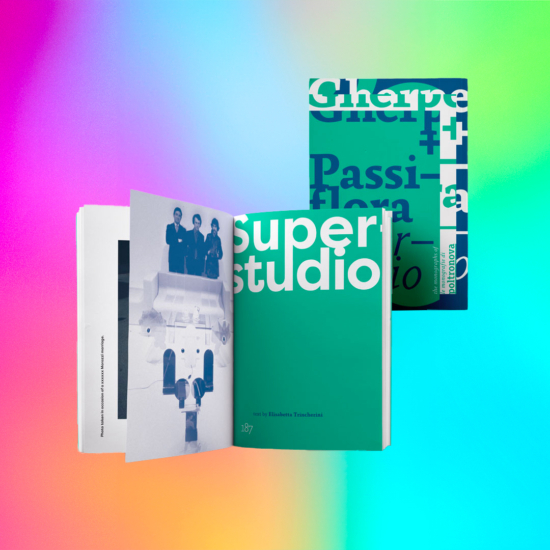
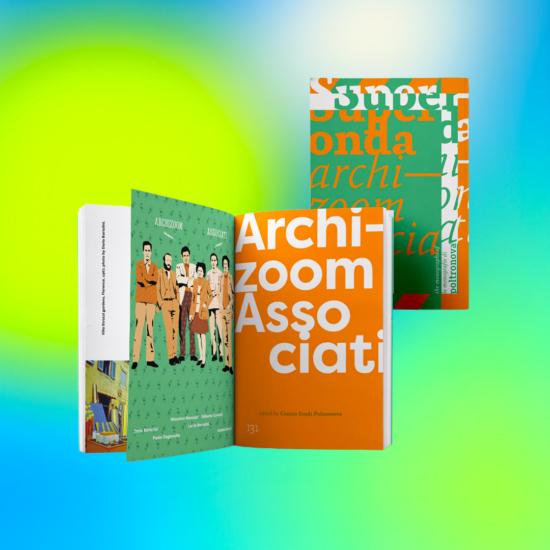
@poltronova on Instagram
★ WHAT HAPPENS WHEN THE OBJECT BREAKS OUT?
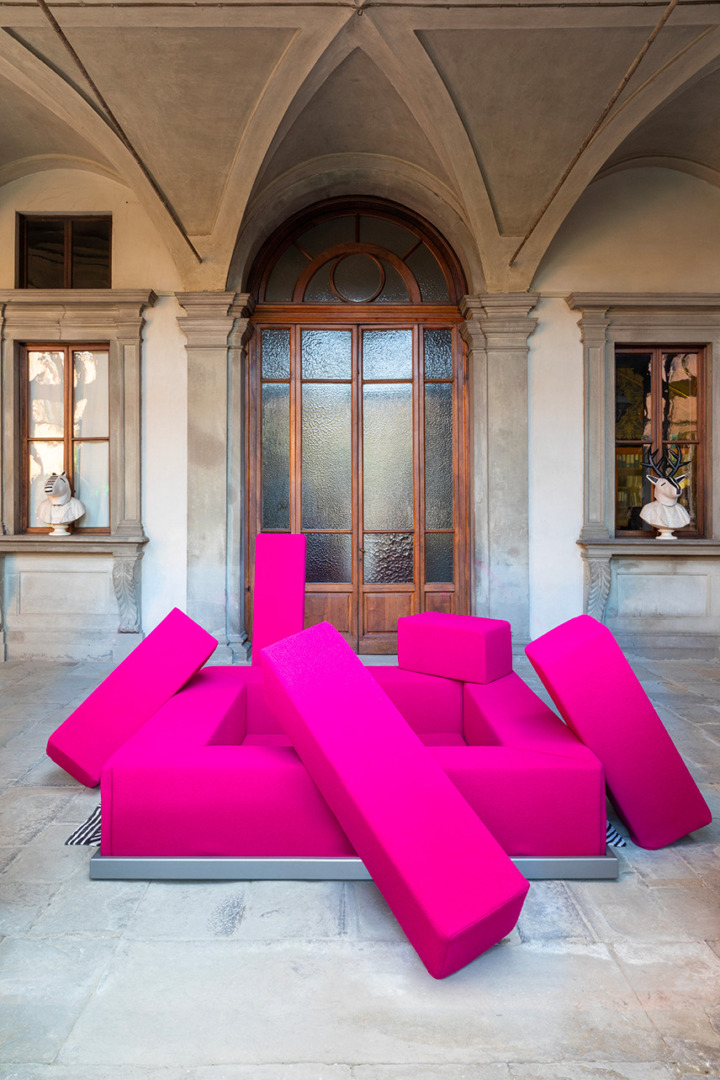
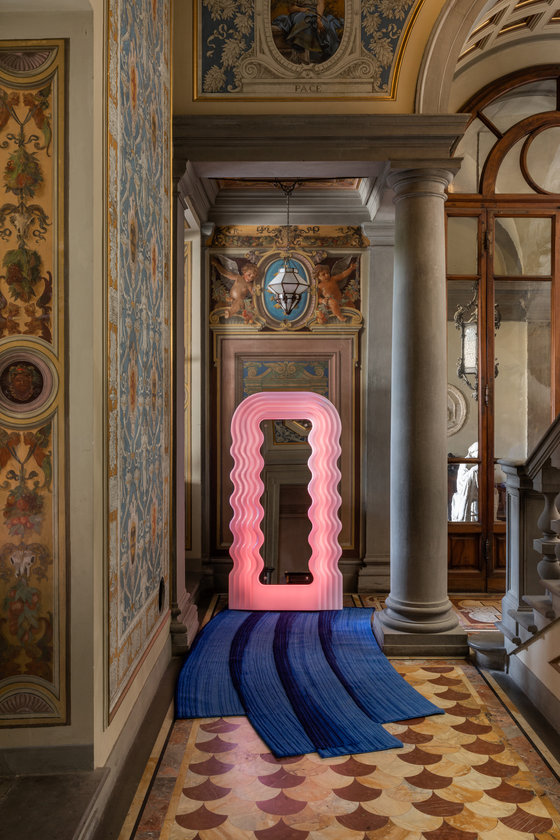
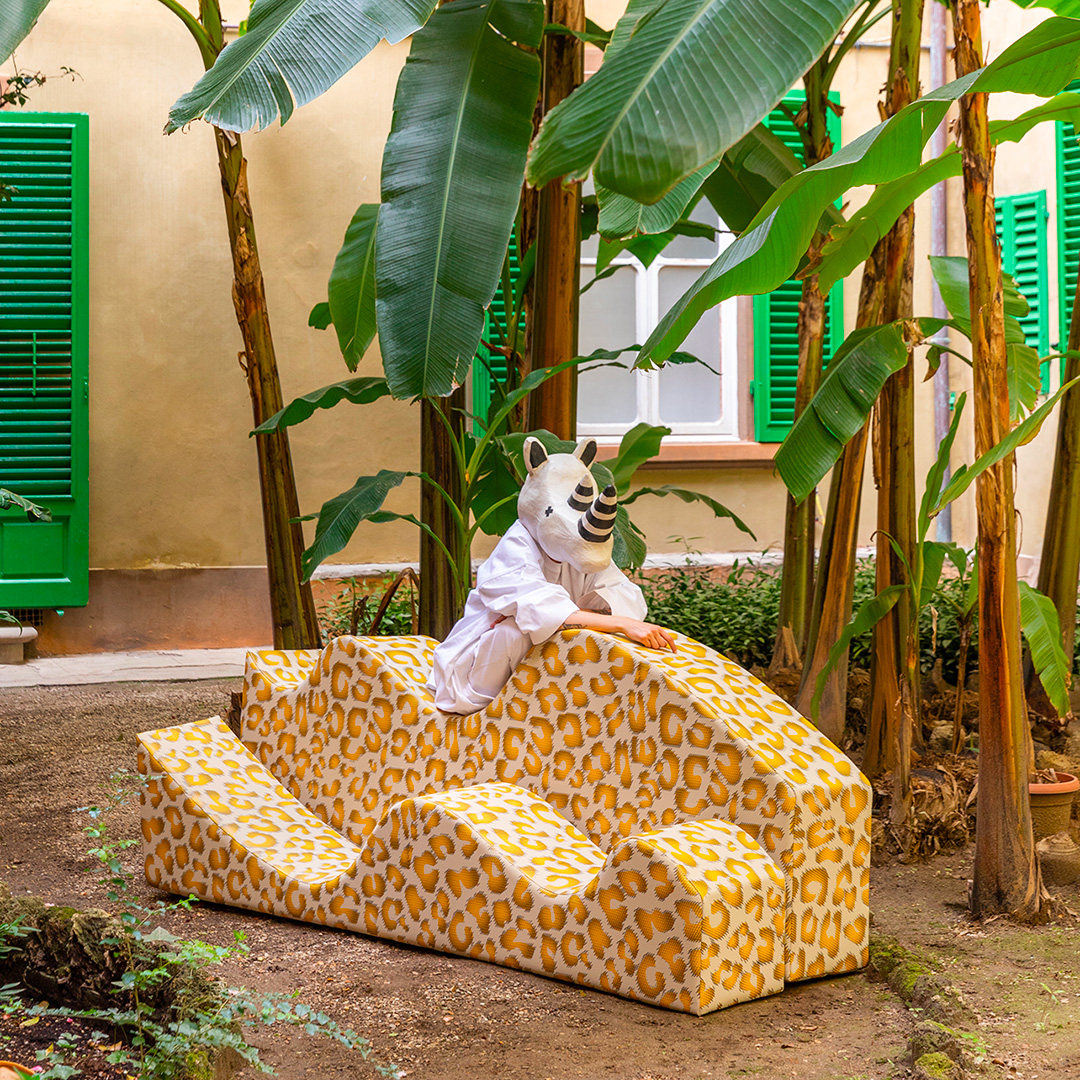
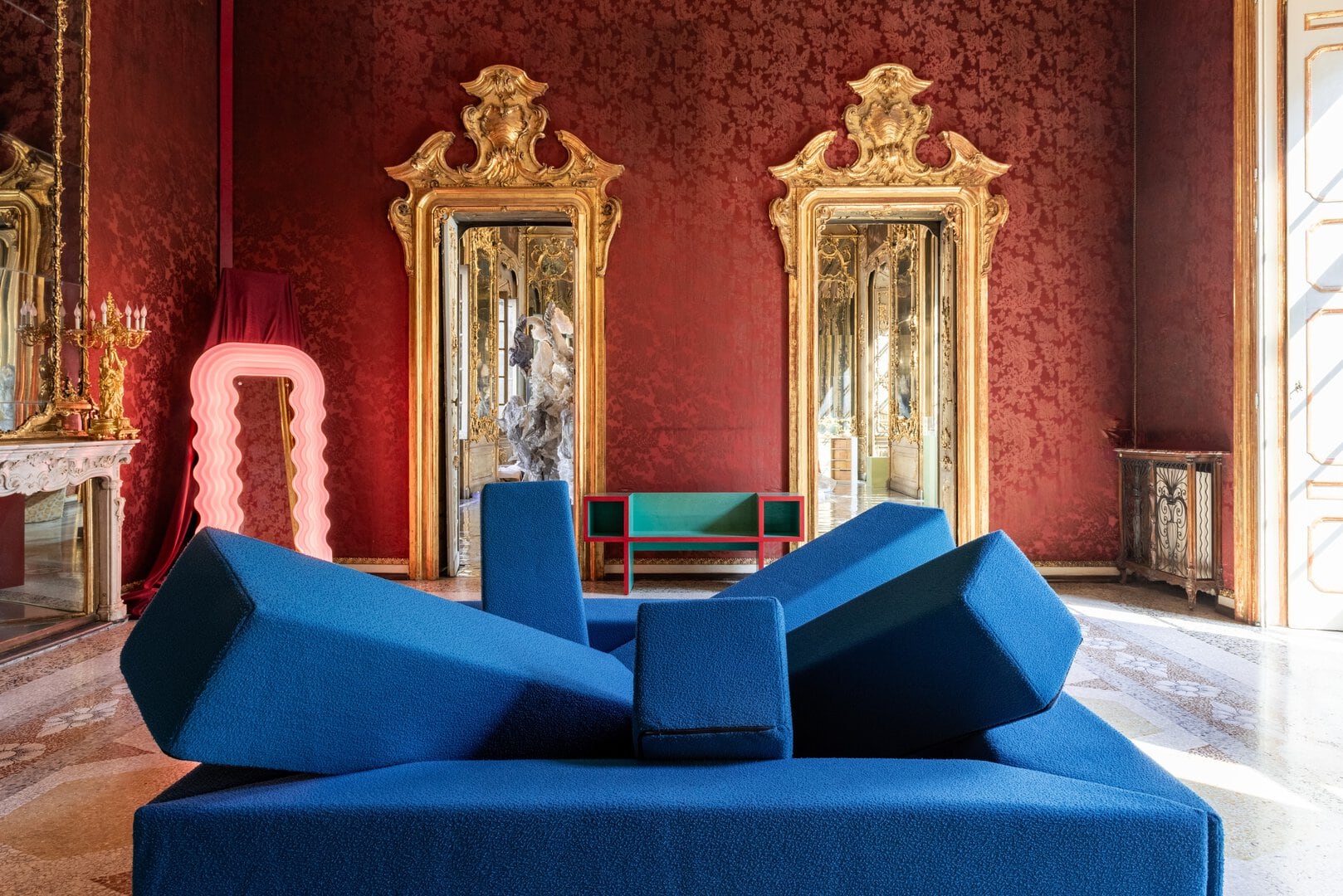
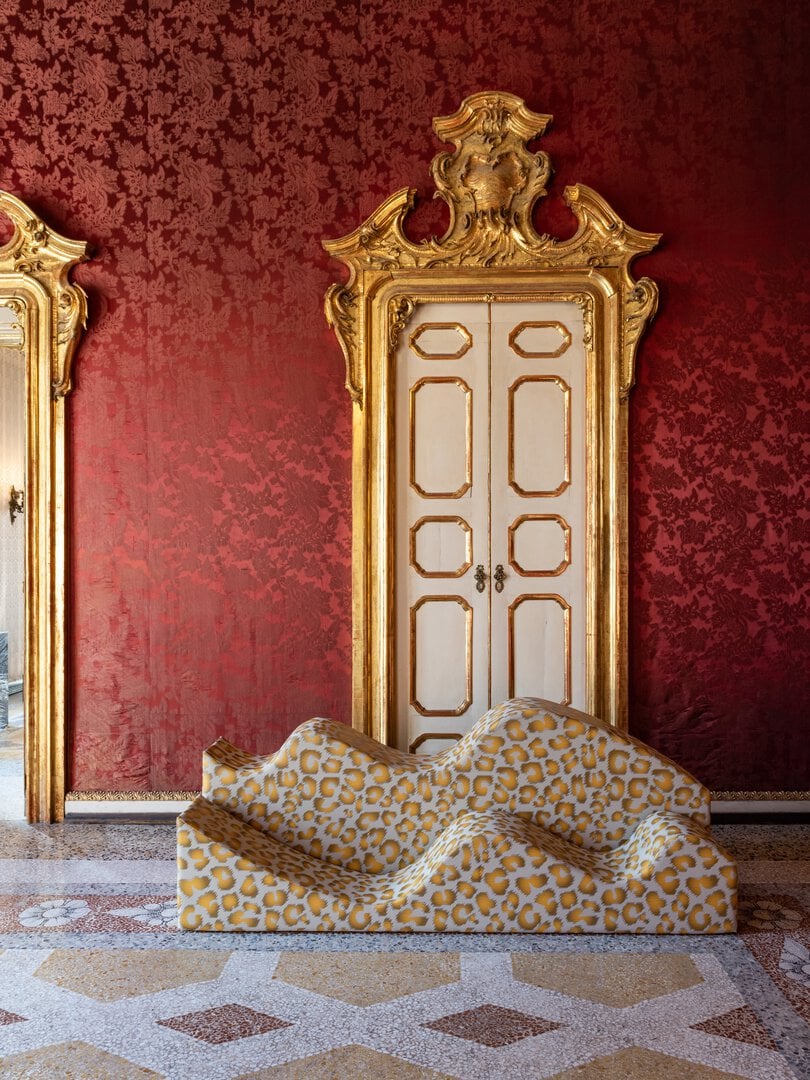
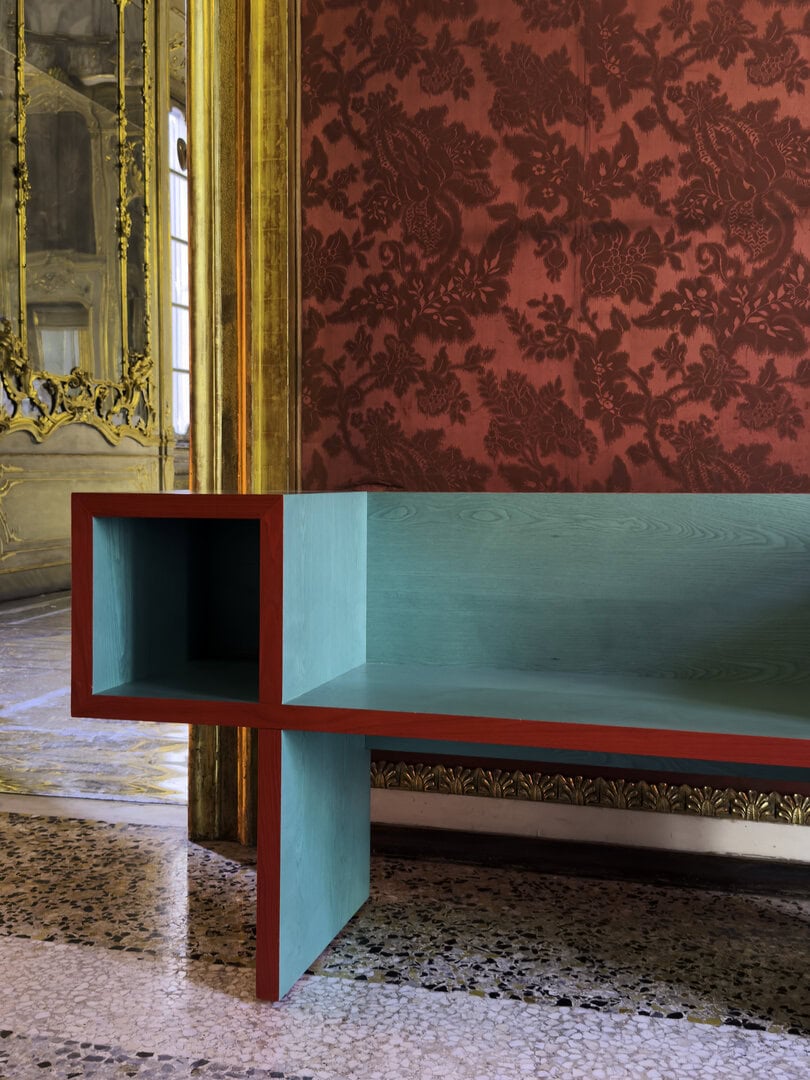
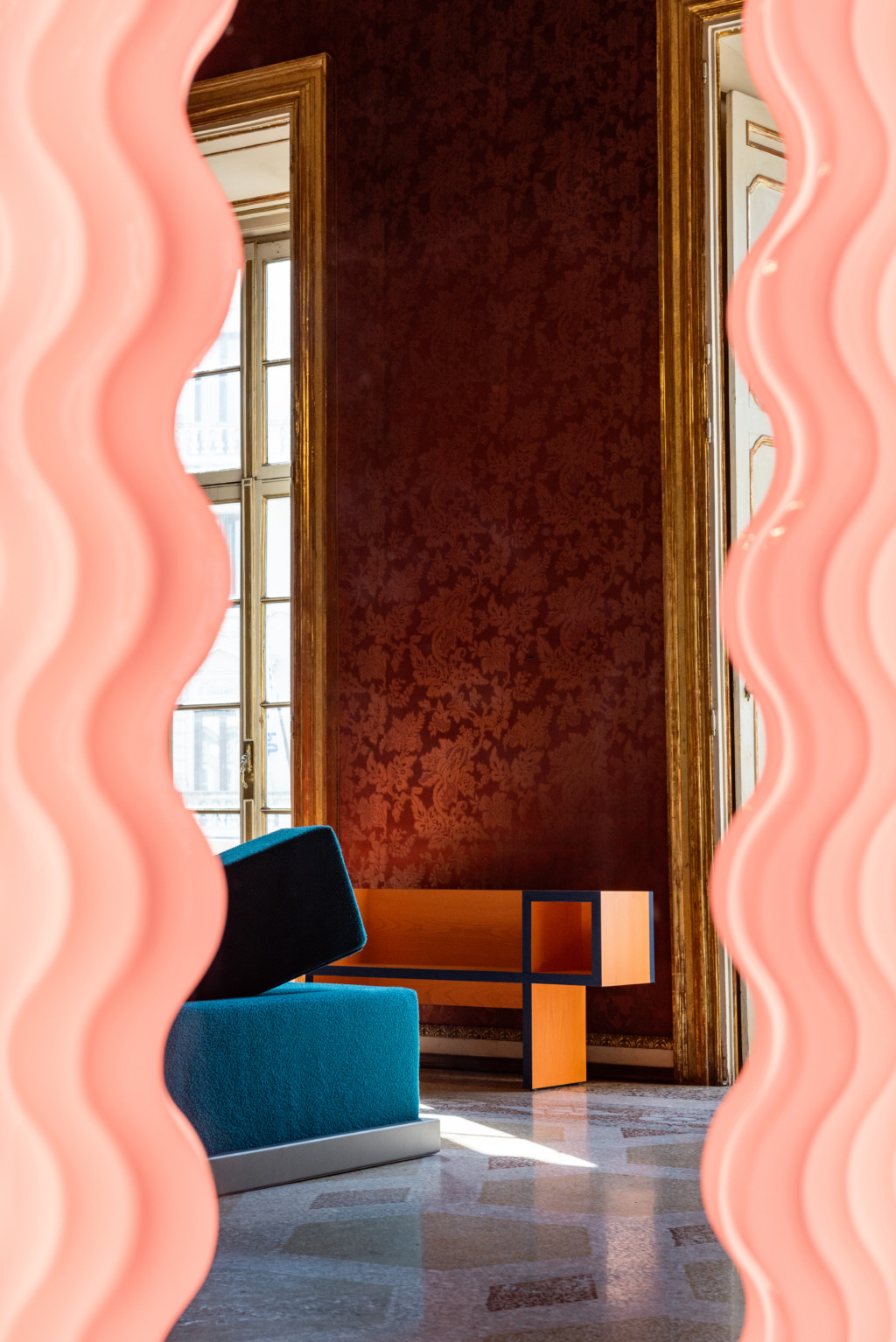
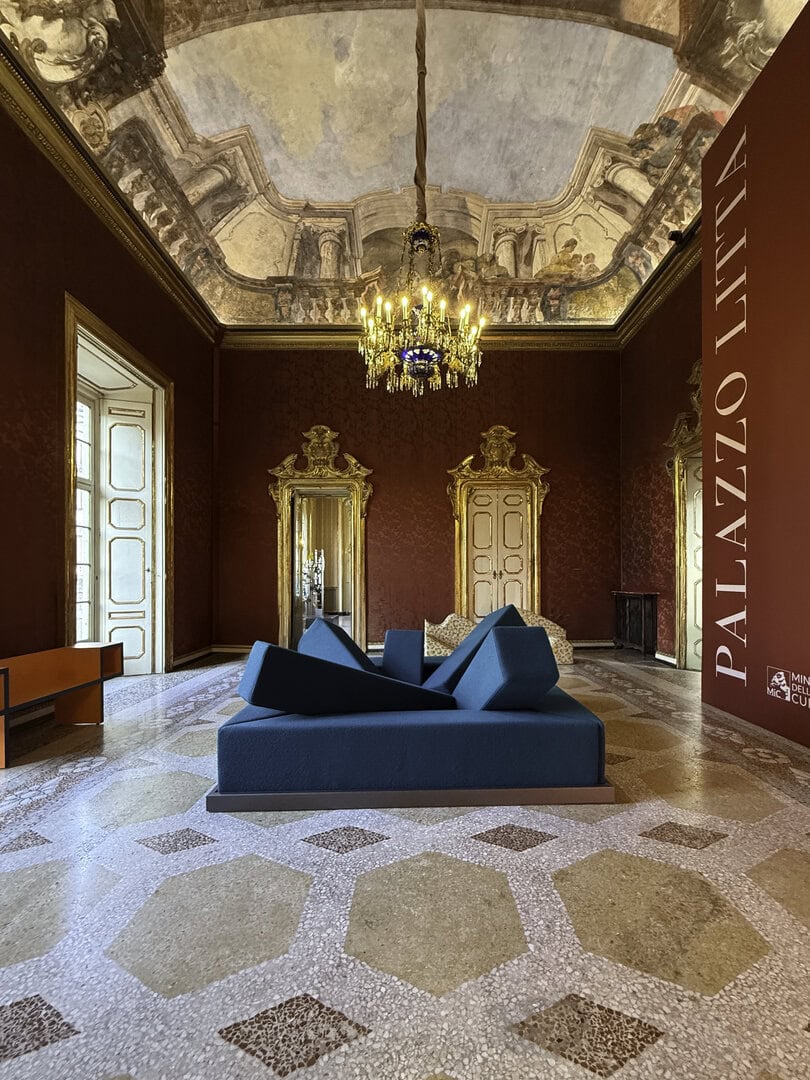
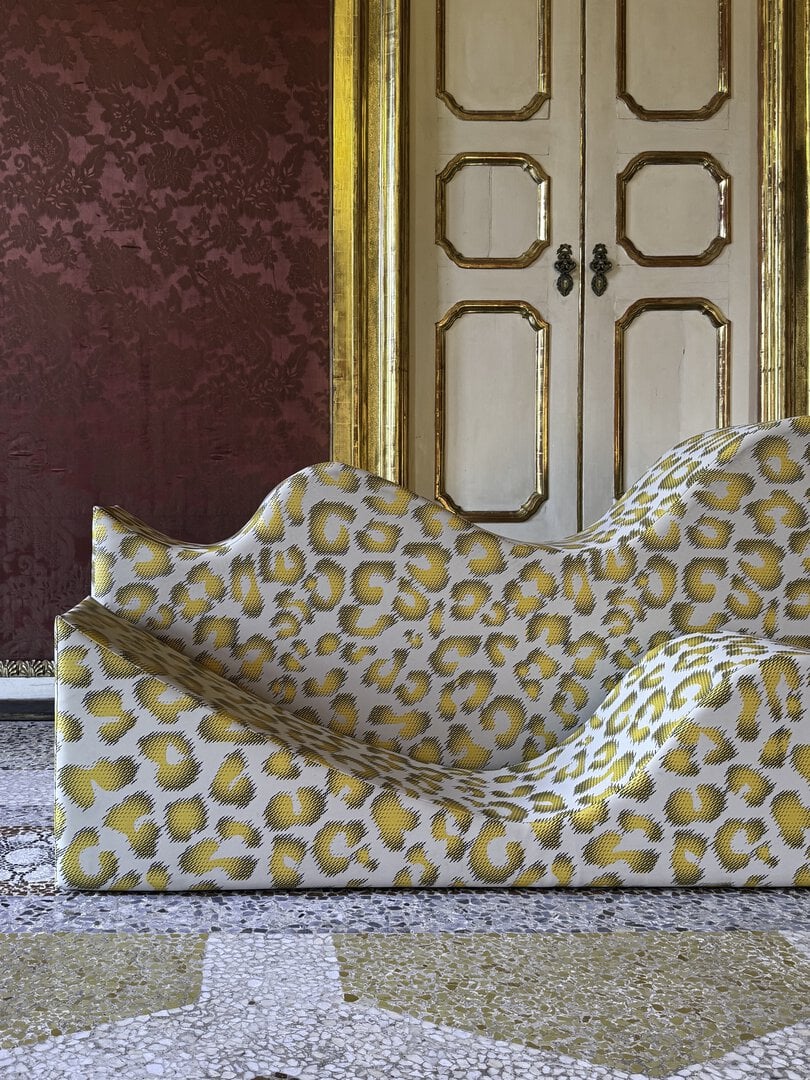
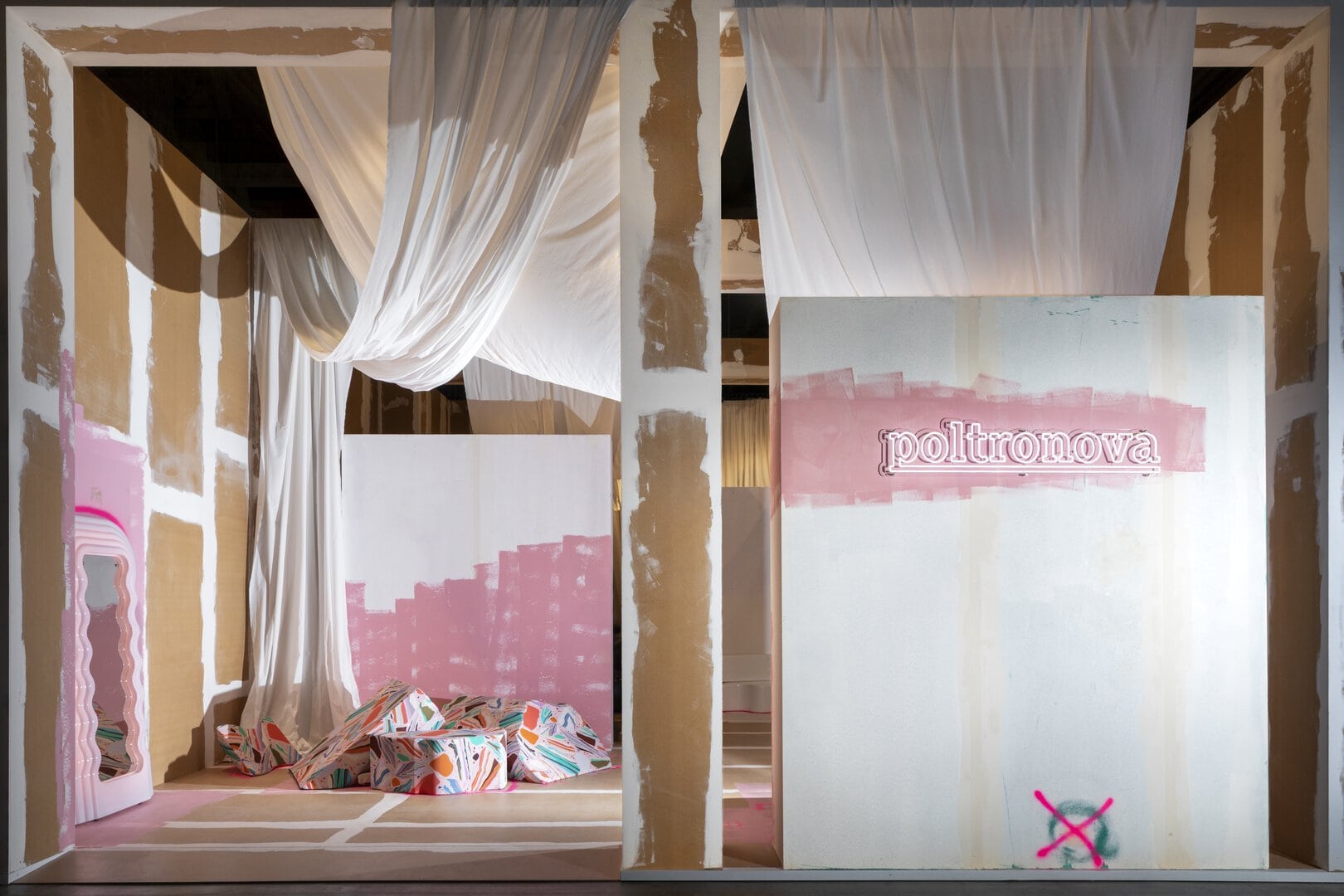
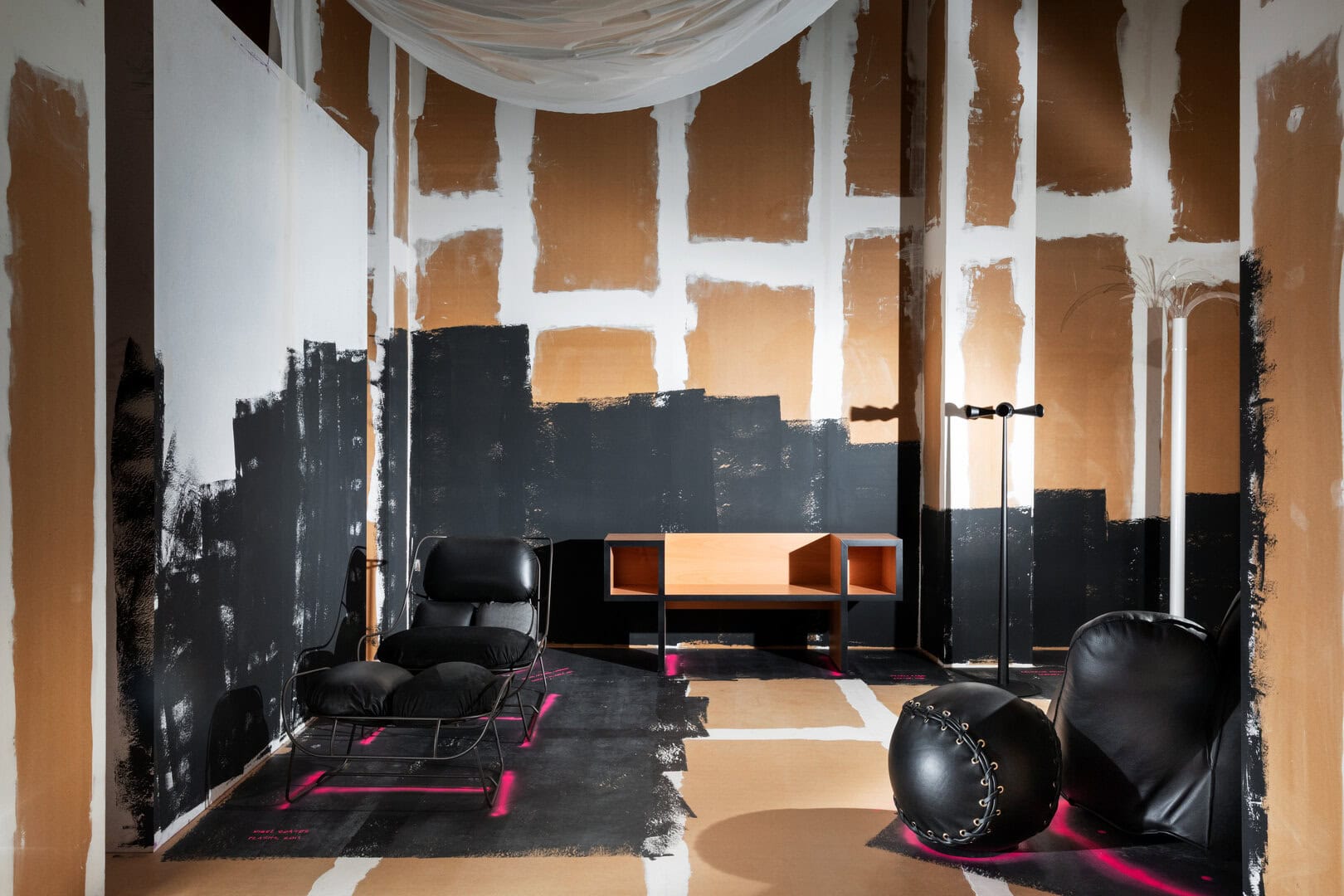
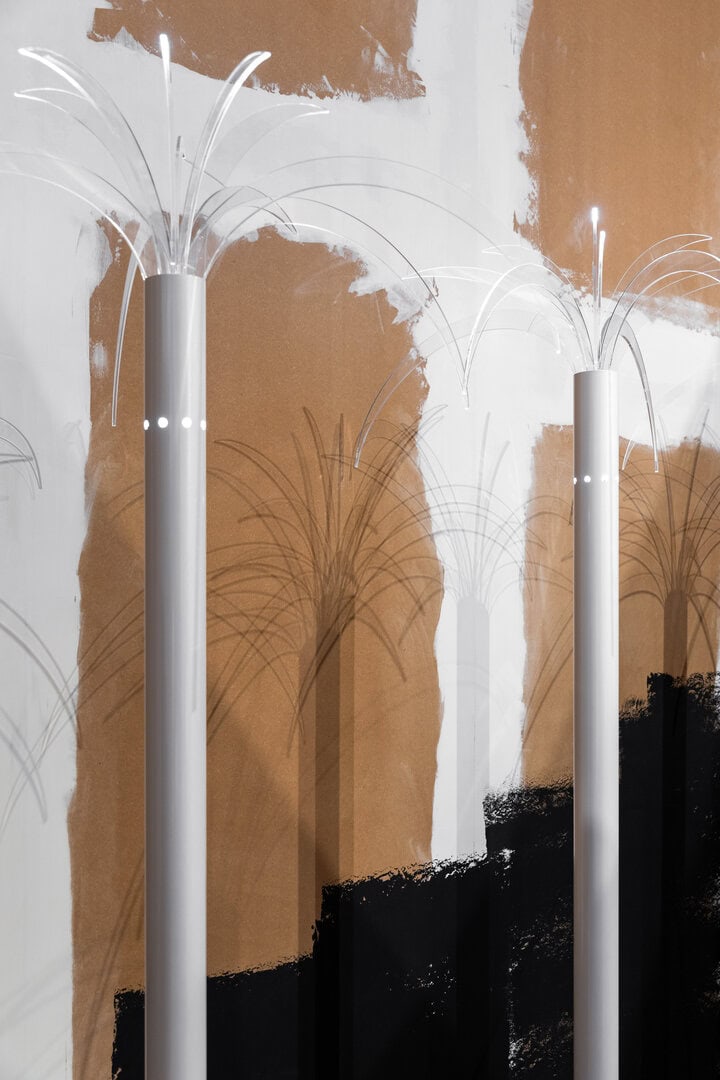
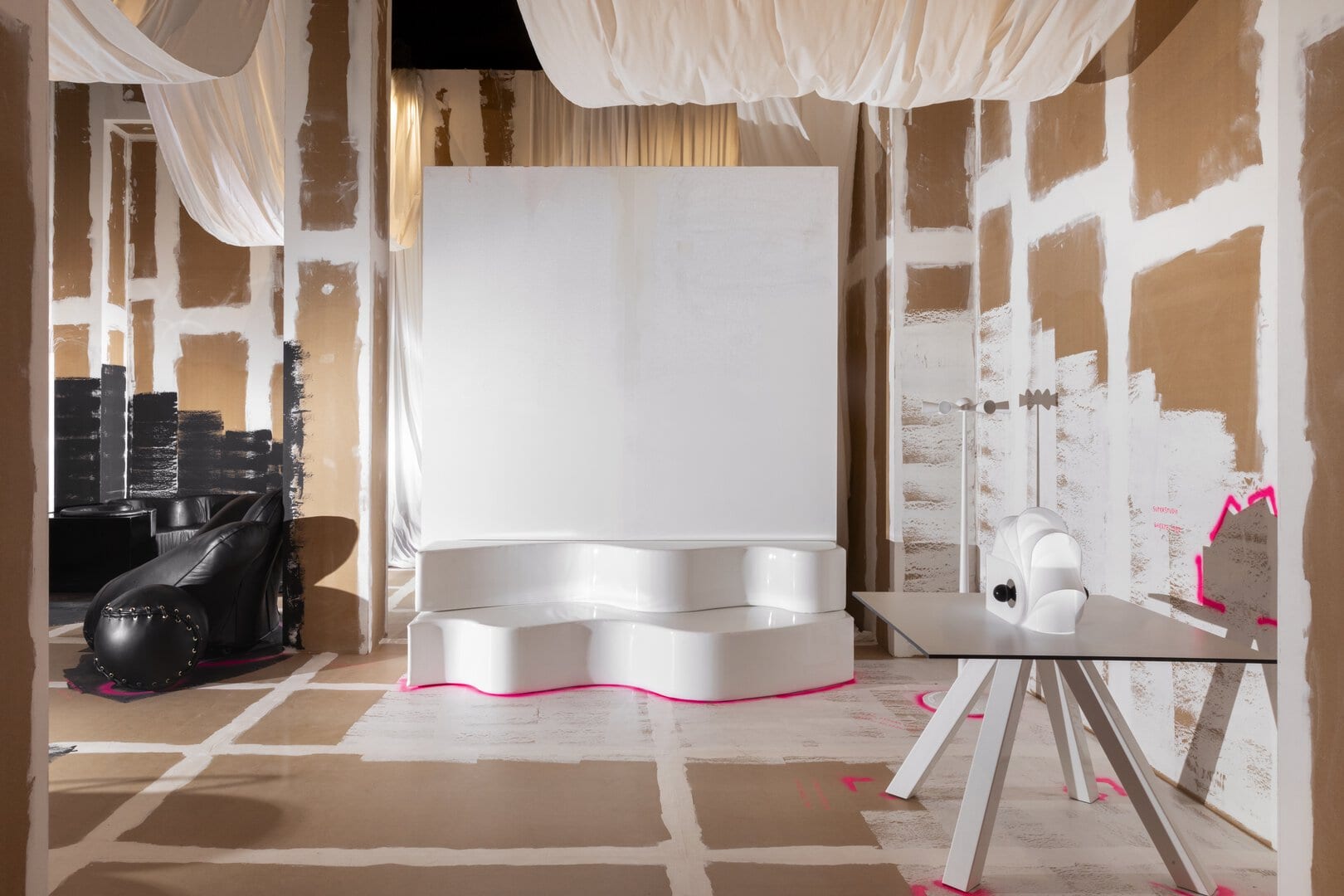
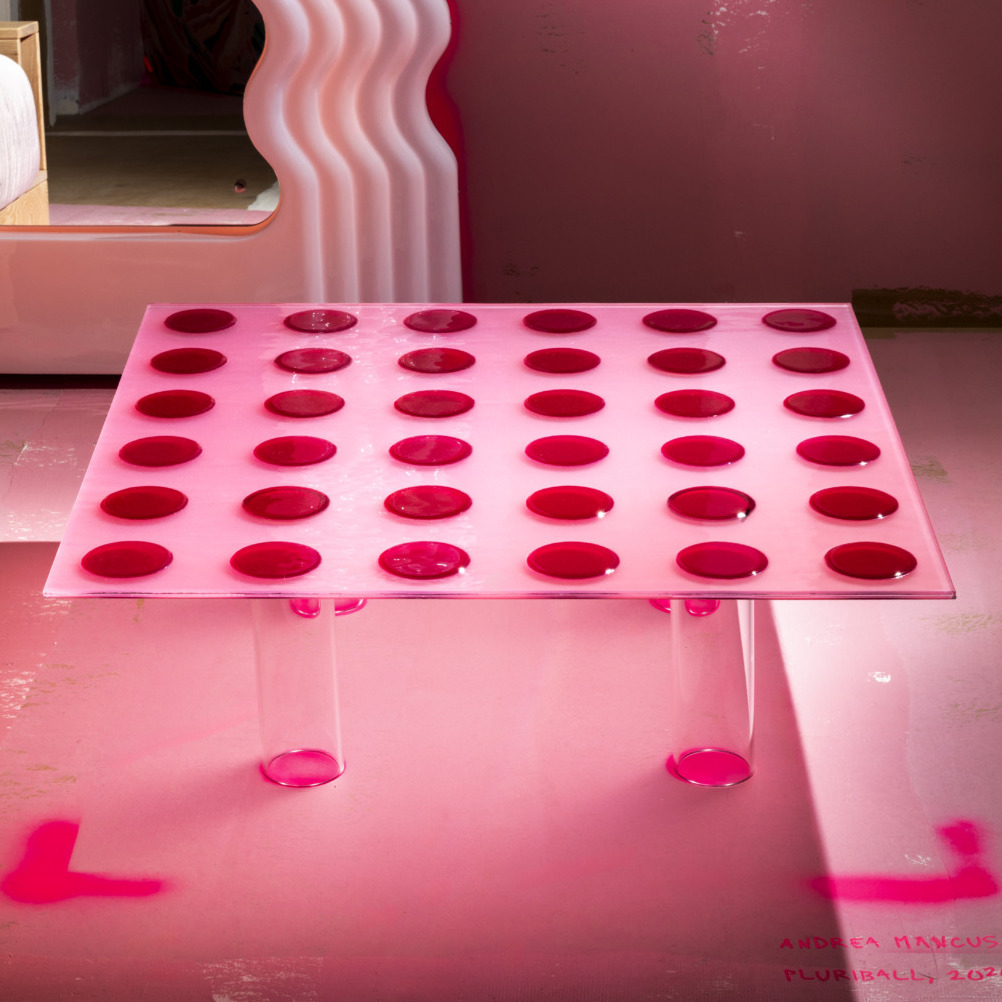
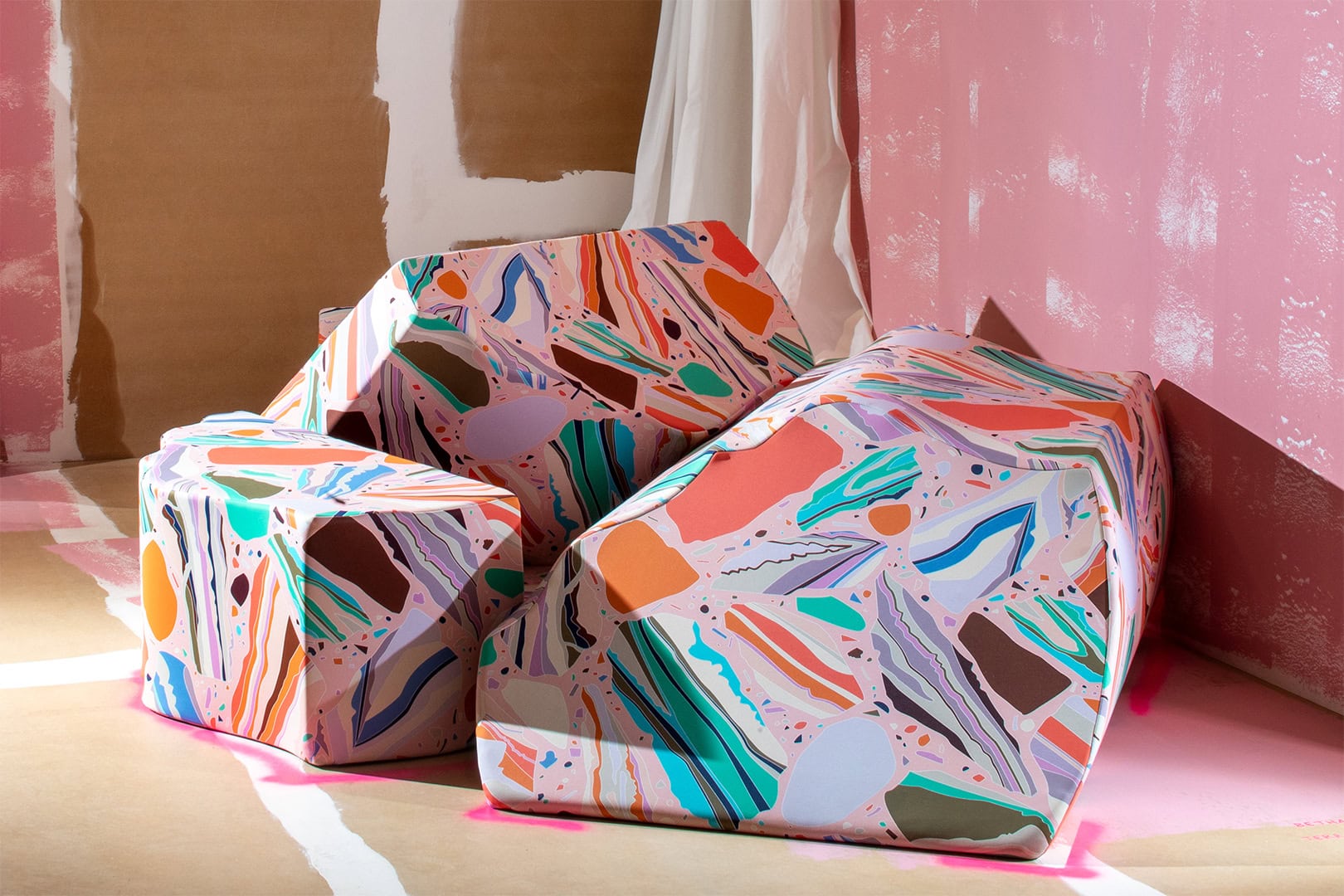
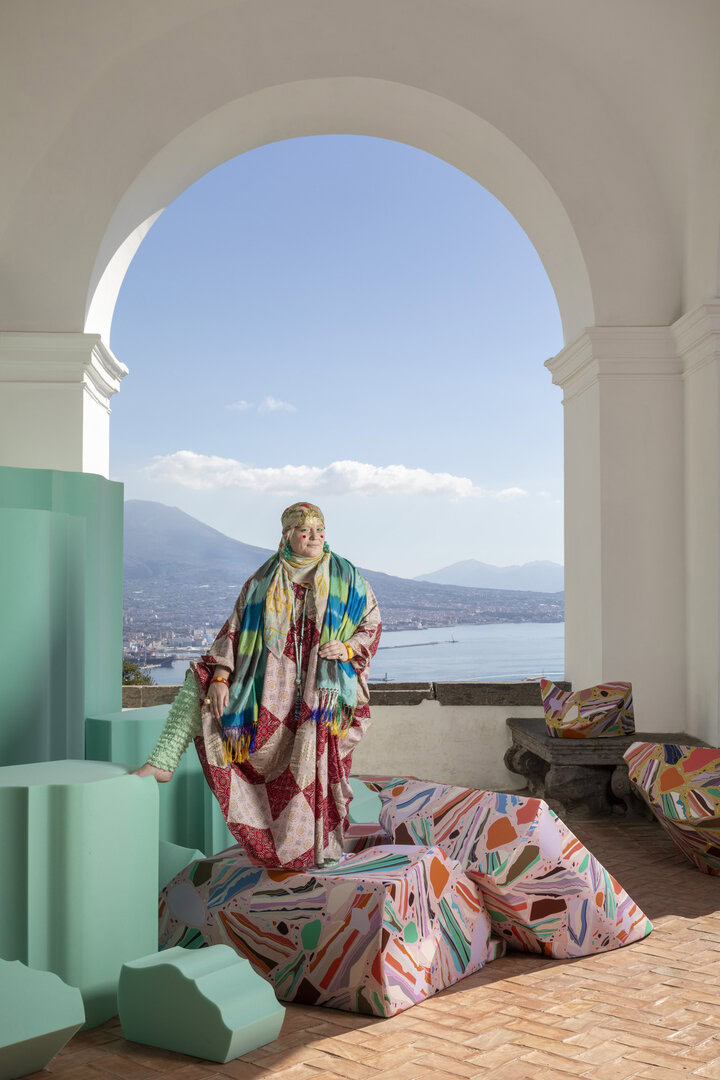
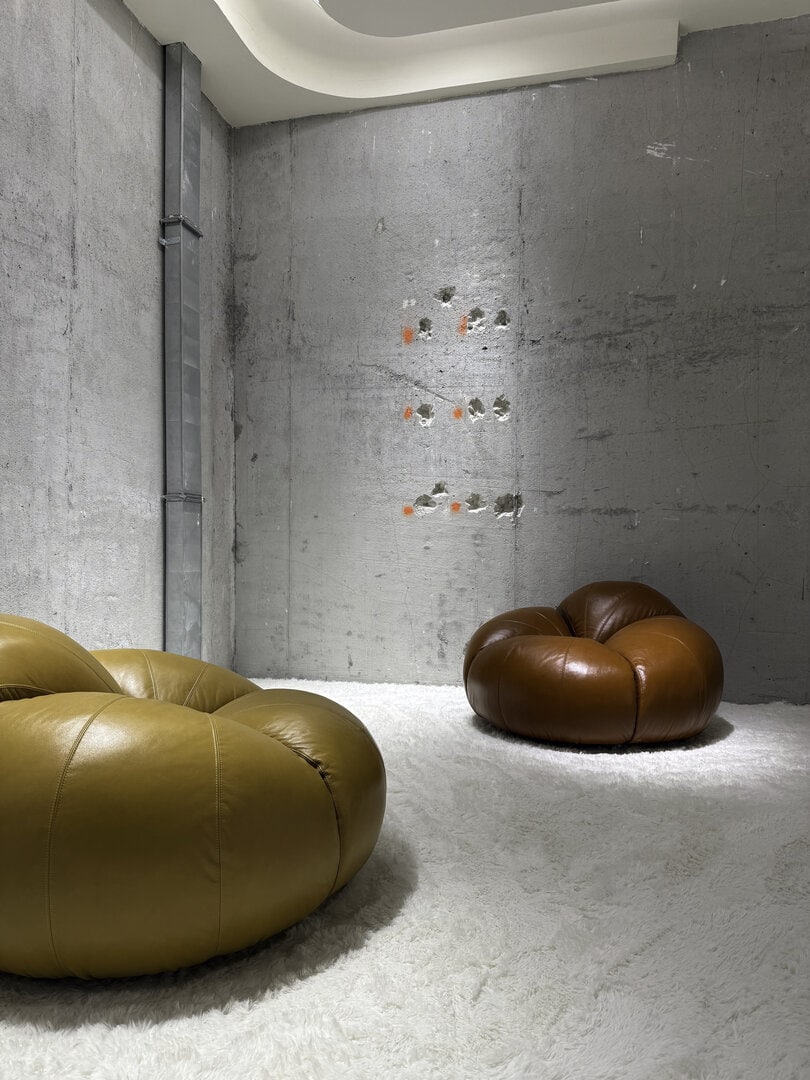
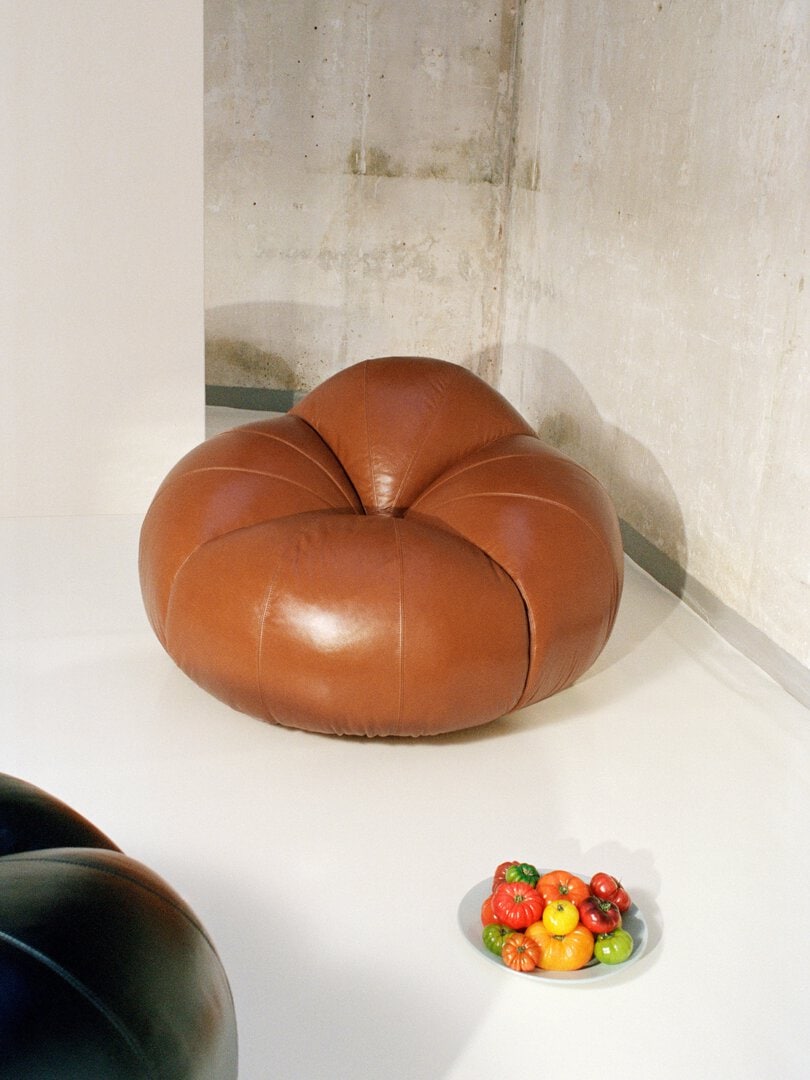
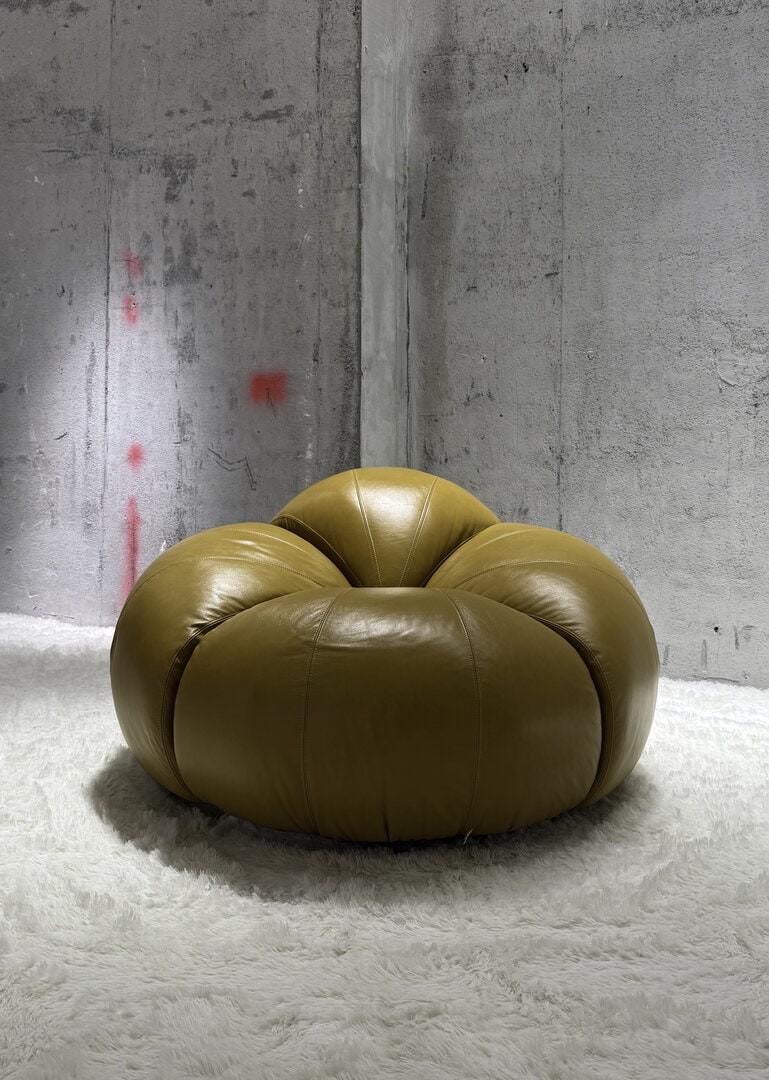
In 2024, HYPER POLTRONOVA marked Poltronova’s return to @isaloniofficial after thirty years — not simply by bringing more than twenty pieces from the Poltronova collection to Rho Fiera Milano, but by allowing their visual language to take over the space itself.
Designed by Art Director Donatello D’Angelo, the installation looked back to L’invenzione della superficie neutra, the 1972 exhibition involving several protagonists of the experimental Italian design scene, and transformed that reference into something deliberately excessive, immersive and hyper-contemporary.
Patterns, geometries, colours and graphic elements belonging to the Poltronova collection escaped from the objects that generated them.
Three-dimensional forms became two-dimensional surfaces.
Surfaces became patterns.
Patterns became architecture.
The result was a heterogeneous “neutral” surface in which different identities could coexist without being neutralised: an environment where furniture, graphics and space continuously contaminated one another.
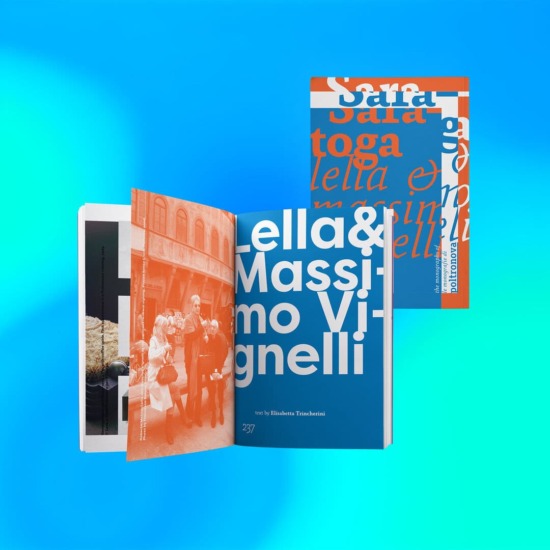
Within it, more than twenty works by Archizoom Associati, Lapo Binazzi, Nigel Coates, De Pas, D’Urbino, Lomazzi, Gianni Pettena, Franco Raggi, Ettore Sottsass jr., Superstudio, Lella and Massimo Vignelli emerged and disappeared into the installation.
Art Direction — Donatello D’Angelo @donutsinho / @d_apostrophe
Photography — Serena Eller @serenaeller / @ellerstudio
POLTRONOVA — UN—CONVENTIONAL FURNITURE.
Poltronova, Hyper Poltronova, Centro Studi Poltronova, Salone del Mobile Milano, Milano Design Week, Italian design, Radical Design, experimental design, furniture design, Ettore Sottsass, Archizoom Associati, Superstudio, Ultrafragola, Superonda, Safari, Mies, Rumble, Canton, Florence design, 1960s design, 1970s design, collectible design.
#Poltronova #DesignExhibition #ItalianDesign #ItalianDesign Furniture

✱ HAVE YOU EVER HEARD OF RADICAL DESIGN?
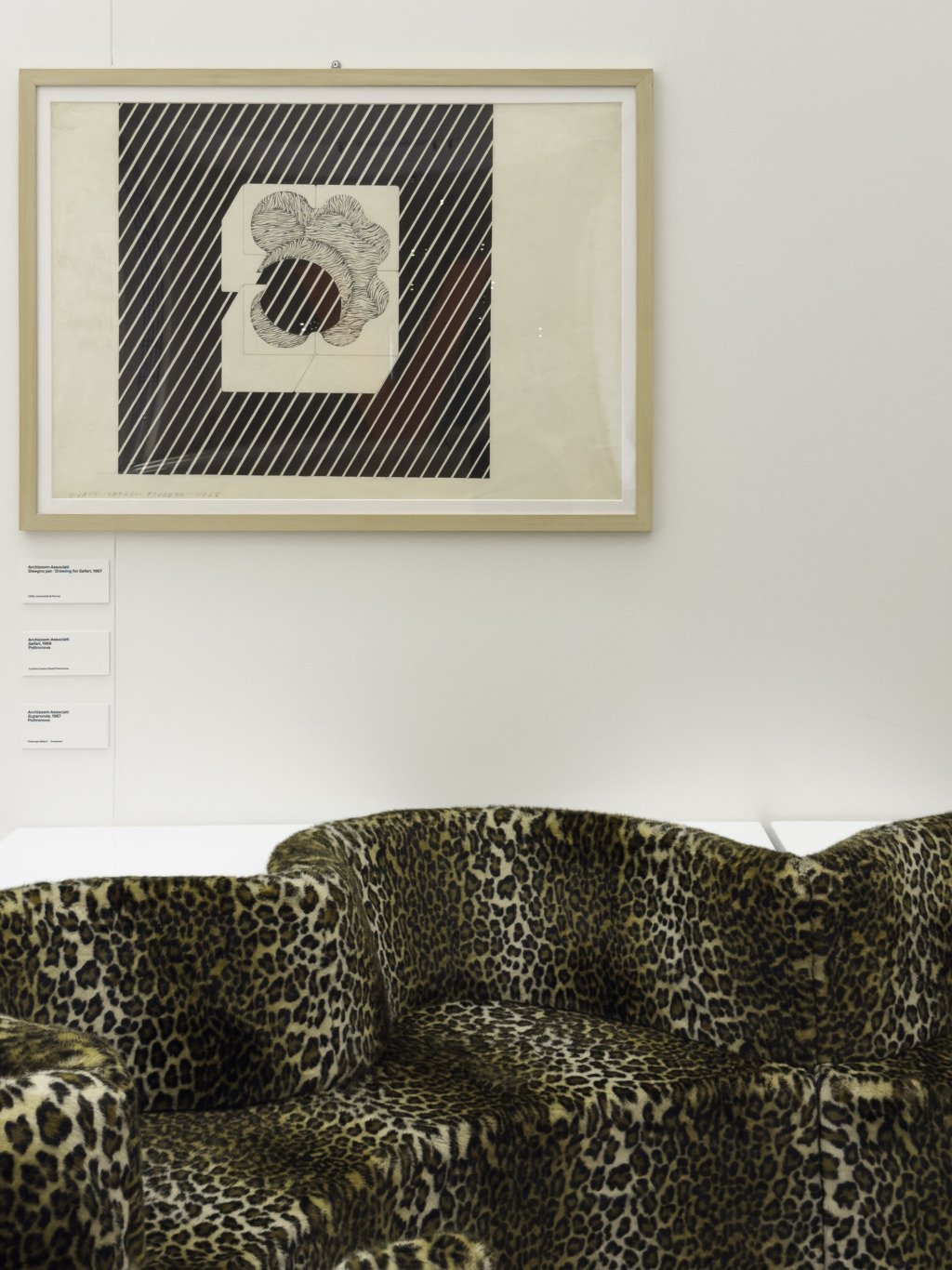
On December 4, 1966, inside the small Galleria Jolly 2 in Pistoia, a group of young architects from Florence’s experimental architectural scene came together for an exhibition called Superarchitettura — around the newly founded Archizoom Associati and the emerging Superstudio.
It would become one of the foundational moments of Italian Radical Design.
The date matters. Exactly one month earlier, on November 4, 1966, Florence had been devastated by the great flood. Against this extraordinary backdrop, a new generation was beginning to question the cultural, architectural and social models it had inherited.
Superarchitettura brought Pop imagery, mass production, consumption, colour and parody into architecture. Its manifesto spoke of “superproduction, superconsumption, the supermarket, the superman and super petrol”: design was no longer simply about function, but a way of questioning the world around it.
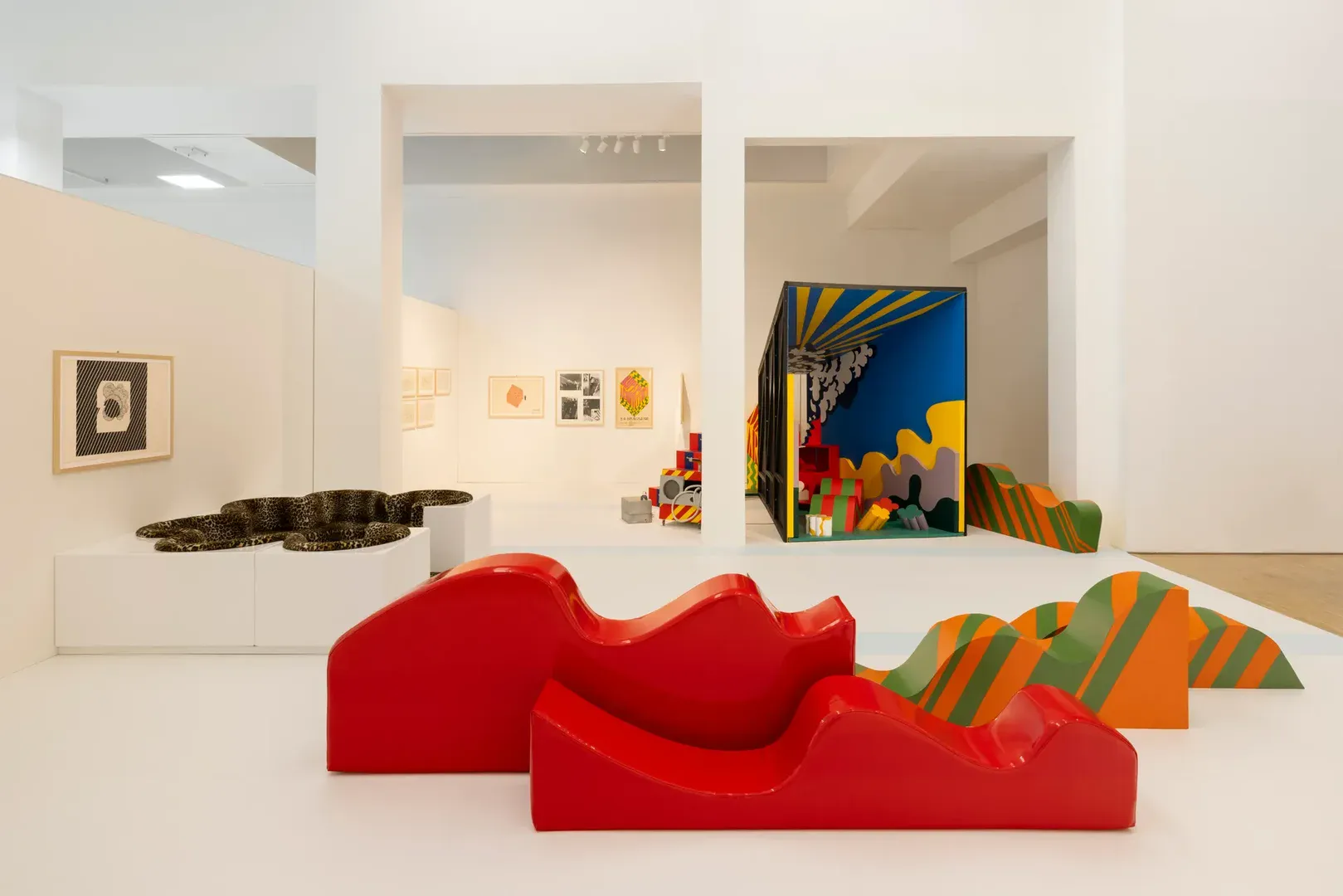
In 2007, for Poltronova’s 50th anniversary, Centro Studi Poltronova faithfully reconstructed the historic exhibition, working from archival documentation and in dialogue with the knowledge surrounding its original protagonists.
1966 — the original exhibition.
2007 — its reconstruction.
2026 — Superarchitettura returns to Milan.
Today, it can be experienced again within Andrea Branzi by Toyo Ito. Continuous Present at Triennale Milano, conceived and designed by Toyo Ito.
If you’re in Milan, go and see it in person.
✱ @triennalemilano
Until October 4, 2026
〜✼〜✼〜✼〜✼〜✼〜
Visual references / credits
Centro Studi Poltronova archive
Galleria Carla Sozzani / Fondazione Sozzani — Superarchitettura, Milan, 2007
MAXXI — SUPERSTUDIO 50, Rome, 2016
Triennale Milano — Andrea Branzi by Toyo Ito. Continuous Present, Milan, 2026
MAXXI installation photography: Musacchio & Ianniello
Triennale Milano installation photography: Andrea Rossetti
#Poltronova #Superarchitettura #ArchizoomAssociati #Superstudio #RadicalDesign
✱ BEFORE RADICAL DESIGN HAD A NAME, THERE WAS SUPERARCHITETTURA.
On December 4, 1966, in Pistoia, Tuscany, Superarchitettura brought together the young architects who would define Archizoom Associati and Superstudio, opening a new chapter in Italian design culture.
〜✼〜✼〜✼〜✼〜✼〜✼〜✼〜✼〜✼〜✼〜✼〜✼〜✼〜✼
Superarchitettura, Archizoom Associati, Superstudio, Andrea Branzi, Poltronova, Italian Radical Design, Radical Architecture, Superonda sofa, Passiflora lamp, Pistoia 1966, Florence design, Triennale Milano, Milan Italy, Italian design history, 1960s design.
#Poltronova #Superarchitettura #ArchizoomAssociati #Superstudio #RadicalDesign
﹅ Colour, stripes, waves, flowers, oversized geometries and deliberately artificial landscapes transformed architecture into something provocative, ironic and spectacular. Against the conventions of the bourgeois interior, Superarchitettura imagined another way of inhabiting space — one shaped by mass culture, Pop imagery, consumption and the contradictions of contemporary life.
Its manifesto spoke of the architecture of “super production” and “superconsumption”: an exaggerated language for an increasingly exaggerated world.
〜✼〜✼〜✼〜✼〜✼〜✼〜✼〜✼〜✼〜✼〜✼〜✼〜✼〜✼
Superarchitettura, Archizoom Associati, Superstudio, Andrea Branzi, Poltronova, Italian Radical Design, Radical Architecture, Superonda sofa, Passiflora lamp, Pistoia 1966, Florence design, Triennale Milano, Milan Italy, Italian design history, 1960s design.
#Poltronova #Superarchitettura #ArchizoomAssociati #Superstudio #RadicalDesign
✱ ARCHIZOOM + SUPERSTUDIO: FLORENCE, 1966.
Superarchitettura emerged from the extraordinary experimental climate surrounding the Faculty of Architecture in Florence in the mid-1960s.
Archizoom Associati — founded by Andrea Branzi, Gilberto Corretti, Paolo Deganello and Massimo Morozzi — and the architects around the emerging Superstudio challenged the idea that architecture and design should simply provide elegant solutions.
〜✼〜✼〜✼〜✼〜✼〜✼〜✼〜✼〜✼〜✼〜✼〜✼〜✼〜✼〜✼〜✼〜✼〜✼〜✼〜✼〜✼〜✼〜✼〜✼〜✼〜✼〜✼〜✼〜✼〜✼〜✼〜✼〜✼〜✼〜✼〜✼〜✼〜✼〜✼〜✼〜✼〜✼
Superarchitettura, Archizoom Associati, Superstudio, Andrea Branzi, Poltronova, Italian Radical Design, Radical Architecture, Superonda sofa, Pa
◿ MIES BY ARCHIZOOM
Designed by Archizoom Associati for Poltronova in 1969, the Mies armchair begins with an unexpected idea: turning a material associated with industrial conveyor belts into a place to sit.
A strip of natural para rubber, strong and elastic, is stretched across a geometric chrome-plated steel structure, reducing the conventional armchair to a few essential elements. In deliberate contrast with the industrial character of the seat, the headrest is upholstered in ponyskin.
The name Mies emphasizes the resemblance of its rigorous structure to the architecture of Ludwig Mies van der Rohe, conceived as a tribute to the great master who died in the same year, 1969.
Alongside the armchair, Poltronova presented something even more unexpected: a matching luminous footrest, combining the same steel structure and ponyskin upholstery with light. Together, the two pieces blur the boundaries between furniture, industrial materials and the domestic landscape.
Born from the experimental language of Archizoom Associati, Mies transforms an industrial component into a provocative piece of furniture: essential in construction, unconventional in material, and unmistakably Poltronova.
✧ Mies armchair and luminous footrest are produced by Poltronova.
#Poltronova #MiesArmchair #ArchizoomAssociati #RadicalDesign #ItalianDesign
Mies armchair, Mies chair, Mies footrest, Archizoom Associati, Poltronova, Mies 1969, Italian Radical Design, Radical Design furniture, para rubber chair, natural rubber furniture, chrome-plated steel armchair, ponyskin furniture, luminous footrest, Ludwig Mies van der Rohe, 1960s Italian design, collectible design, Made in Italy.
✧ Everyday object. Larger than life.
Meet Joe.
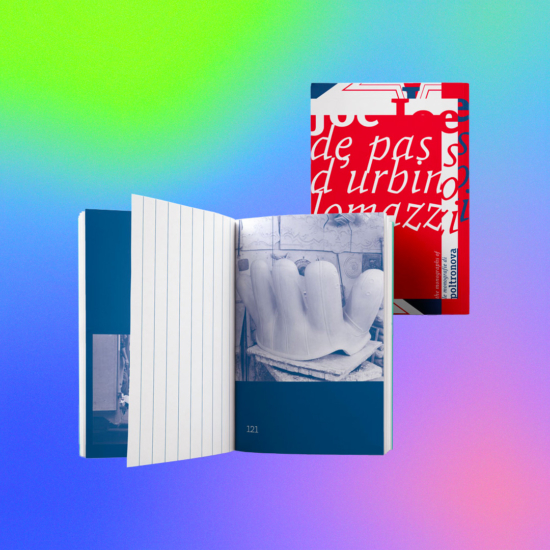
Designed by De Pas, D’Urbino and Lomazzi for Poltronova in 1970, Joe transforms one of the most recognizable objects in American culture, the baseball glove, into an unexpectedly generous place to sit.
Its name is a tribute to Joe DiMaggio, the legendary baseball player who had already transcended sport to become an American cultural icon.
Inspired by the visual language of Pop Art, the designers took something familiar and changed its scale completely. The glove became monumental. The object became furniture. And something associated with the baseball field suddenly entered the domestic interior.
That shift in scale is what gives Joe its unmistakable presence.
Large, soft and immediately recognizable, the chair invites interaction almost instinctively. You don’t simply look at Joe. You climb into it, sit inside it, move with it. Hidden wheels underneath make its oversized form unexpectedly mobile, adding another playful dimension to the experience.
More than five decades after its creation, Joe still has the ability to stop people in their tracks.
Perhaps because it sits somewhere between furniture, sculpture and cultural memory.
Or perhaps because the best design can take something everyone knows and make us see it completely differently.
☞ Joe: armchair by De Pas, D’Urbino, Lomazzi. Poltronova. 1970.
⚾︎ Joe Ball: footrest by D’Urbino, Lomazzi. Poltronova. 2020.
#Poltronova #JoeChair #DePasDUrbinoLomazzi #ItalianDesign #FurnitureDesign
Joe chair, Poltronova Joe, Joe Ball, armchair, footrest, pop art, unique furniture, unconventional furniture, furniture design, De Pas D’Urbino Lomazzi, Joe DiMaggio chair, baseball glove chair, 70s design, 60s design.
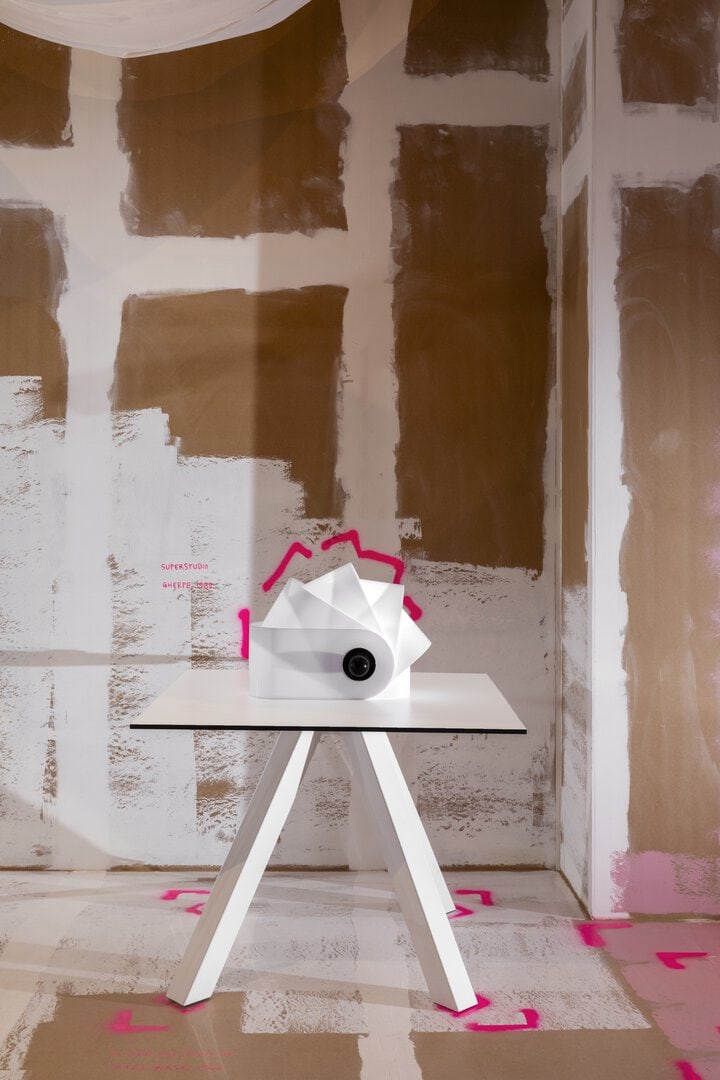
🐚 GHERPE TABLE LAMP BY SUPERSTUDIO
Designed by Superstudio for Poltronova in 1968, Gherpe is a table lamp that refuses to behave like a conventional lighting object. Its sculptural form recalls the shell of a marine creature, while its use of methacrylate, an industrial material, places it somewhere between the organic and the artificial.
Conceived during Superstudio’s experimental research into objects and domestic space, Gherpe is also an early example of interactive lighting design. Rather than simply providing illumination, the lamp establishes a relationship with the user: its overlapping methacrylate elements filter and transform the light, making Gherpe a luminous presence that changes according to how it is experienced.
Functional yet deliberately unconventional, Gherpe turns a familiar typology—the table lamp—into something ambiguous, playful and almost alive. A small luminous creature that sits within a room rather than simply lighting it.
Produced in Italy by Poltronova, Gherpe remains a distinctive expression of Superstudio’s Radical Design research, where technology, artificial materials and imagination challenged conventional ideas of furniture and everyday objects.
#Poltronova #GherpeLamp #Superstudio #RadicalDesign #ItalianDesign
Gherpe table lamp, Superstudio, Poltronova, Gherpe 1968, Radical italian Design, Radical Architecture, Italian lighting design, methacrylate lamp, interactive lighting, designer table lamp, collectible lighting, 1960s Italian design, Made in Italy.